Every extra bite brings you one step closer to colorectal cancer! Proctology Department Director: In hot weather, don't overindulge in these 6 foods!
"Uncle Liu, who just retired this year, was looking forward to spending his days drinking beer, grilling skewers, and chatting about life with his old friends. However, during this time, he often felt bloated, had frequent urges to use the bathroom, and occasionally noticed traces of blood in his stool.
His friends advised him, 'It’s fine to eat something cool and refreshing in hot weather.' It wasn’t until his wife insisted on taking him to the hospital that the whole family was shocked by the diagnosis: a serious intestinal issue. 'But I’ve been eating normally all along, haven’t I?' Uncle Liu asked the doctor in confusion."
In the scorching summer, beer, barbecue, sausages, cured meats, fried foods... are the "iron triangle" for many people during gatherings. But did you know? In hot weather, the hidden risks of colorectal cancer are quietly lurking in every bite of these "delicacies."
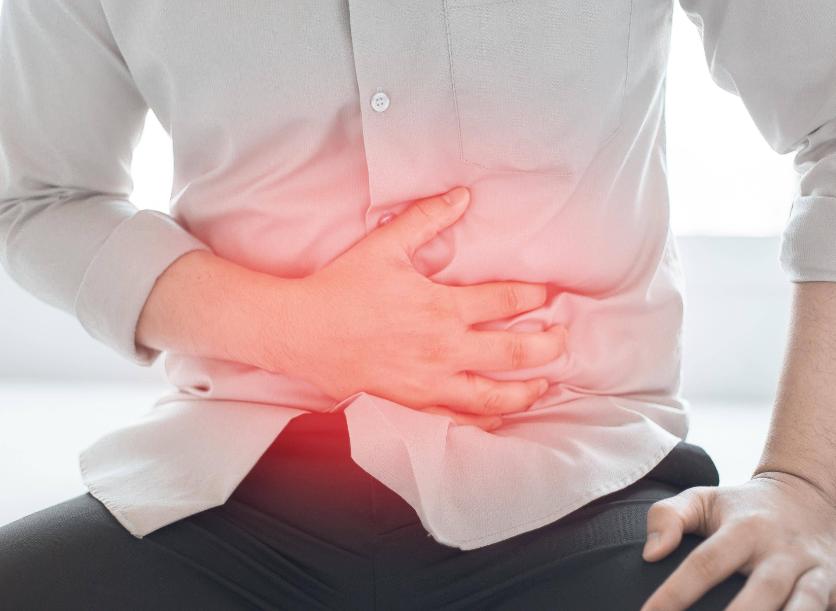
Especially the six types of food mentioned below—each time you indulge, the burden on your intestines increases. The director of the proctology department solemnly reminds everyone: this is not an exaggeration, especially the fourth type, which many young people tend to overlook!
Do you have similar eating habits? The experience of Uncle Liu might be quietly unfolding around you and me...
So, which foods should be most cautious during hot weather? Why do they become "explosive packages" that accelerate the collapse of intestinal health? What exactly happens in your gut the moment you eat them? Find out quickly—it might help you and your family steer clear of a path of regret.
Should you really avoid these 6 foods in hot weather? Here's what an authoritative doctor says.
We all know that the onset of colorectal cancer is closely related to diet. Data from the China Cancer Registry Annual Report shows that approximately 550,000 new cases of colorectal cancer are diagnosed in China each year, with the incidence rate rising year by year, particularly in urban areas and regions with rich diets.
During hot seasons, people tend to prefer foods like beer, pickled items, fried foods, and barbecues. Coincidentally, these "delicacies" are also major enemies of intestinal health. Why are the risks even higher in hot weather?
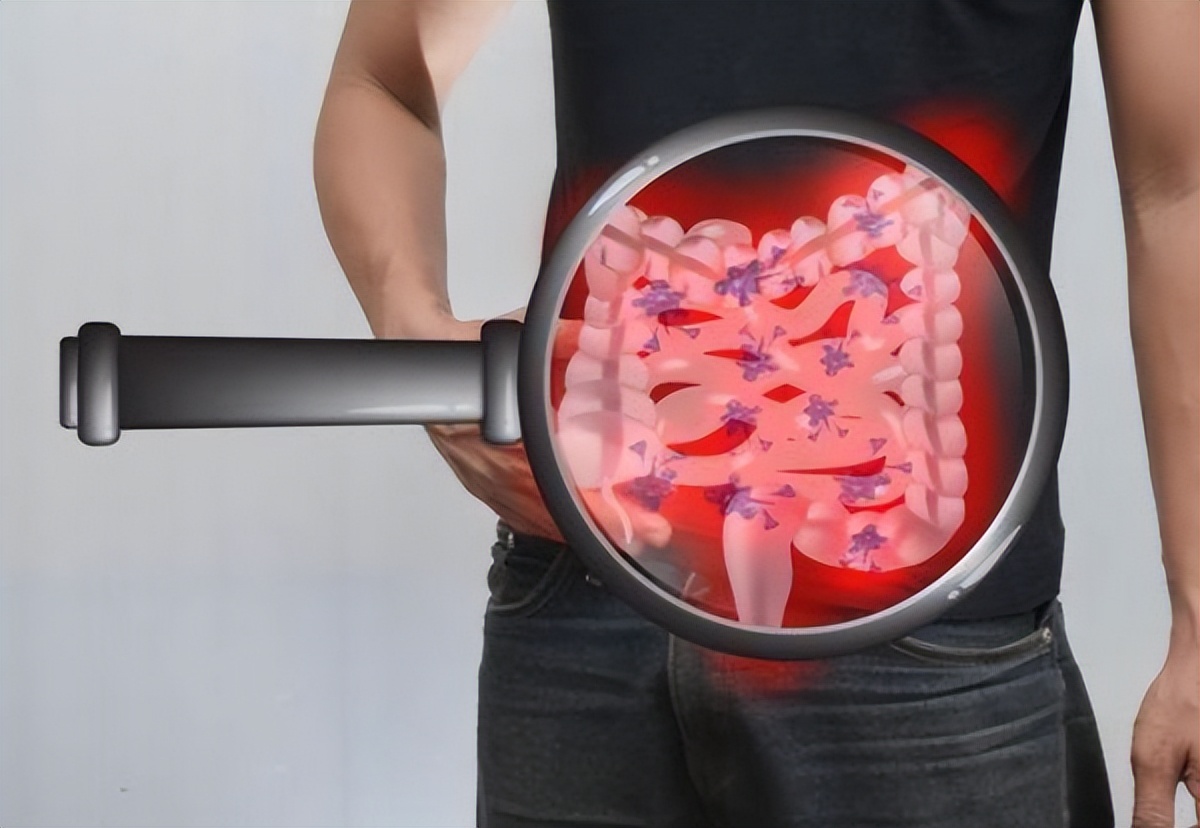
First, high temperatures make the gastrointestinal tract more fragile, slowing down intestinal peristalsis and making it easier for toxins to accumulate.
Second, improper food storage in hot weather leads to bacterial growth and increased nitrosamine levels, which directly irritate intestinal epithelial cells.
Dr. Sun, the director of the proctology department, admitted frankly: "Our outpatient visits increase by 30% every summer, and many people suffer from enteritis, polyps, or even precancerous symptoms due to overindulging in the following '6 types of food'."
The "6 Dangerous Foods" That Increase Intestinal Burden:
Barbecue (not just a holiday treat)
、
。
In high temperatures, when meat is repeatedly turned and grilled, proteins denature, and carcinogens such as heterocyclic amines and polycyclic aromatic hydrocarbons surge. According to data from "China Cancer Prevention and Control Research," frequent consumption of barbecued food increases the risk of colorectal cancer by 21% to 30%.
Preserved foods (salted fish, cured meat, salted eggs)
Preserved foods contain high levels of nitrites and large amounts of salt, which are easily reduced in the body to form nitrosamines. Nitrosamines are Class I carcinogens, and long-term excessive intake approximately doubles the incidence of intestinal cancer.
Fried foods
400-500大卡
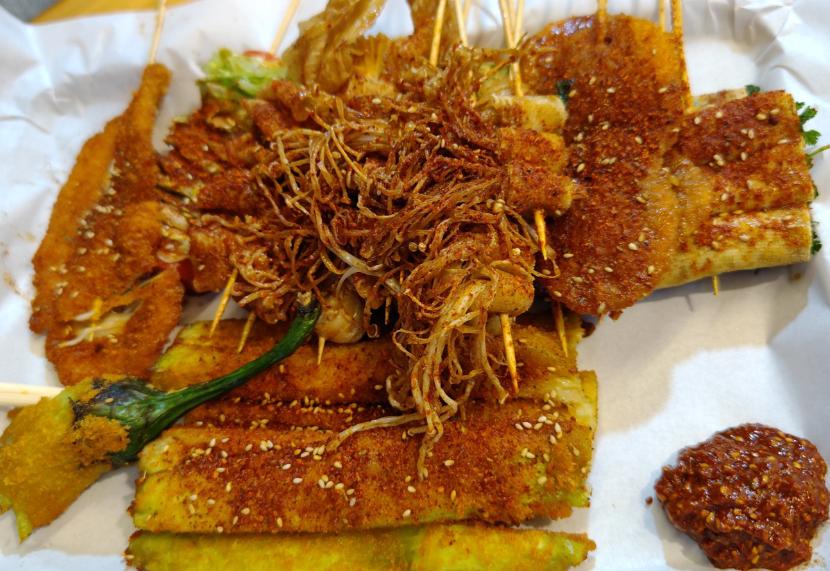
Repeated heating of oil produces trans fatty acids and carcinogens. 100g of potato chips or fried chicken can have calories soaring to 400-500 kcal, doubling the intestinal burden at the same weight.
Processed meat products (ham, sausage, luncheon meat)
18%
The World Health Organization classifies them as "Group 1 carcinogens." Consuming 50g of processed meat per day increases the risk of colorectal cancer by 18%. Especially for children and adolescents, whose intestinal barrier function is weaker, they should consume less.
Iced drinks, chilled fruit wine
约43大卡/100ml
While it can relieve heat, long-term excessive intake irritates the intestines, causing spasms and microbial imbalance. A can of cola contains about 43 calories per 100ml—drinking one is equivalent to eating half a bowl of rice!
Spicy and heavily seasoned foods
Indulging in spicy foods during hot weather can easily lead to internal heat, increasing blood flow to the anal and intestinal mucosa. Combined with greasy diets, this can easily trigger intestinal inflammation and ulcers—illness enters through the mouth. Each additional "unclean or high-risk" dietary habit invisibly accumulates the risk of intestinal inflammation and cancer!
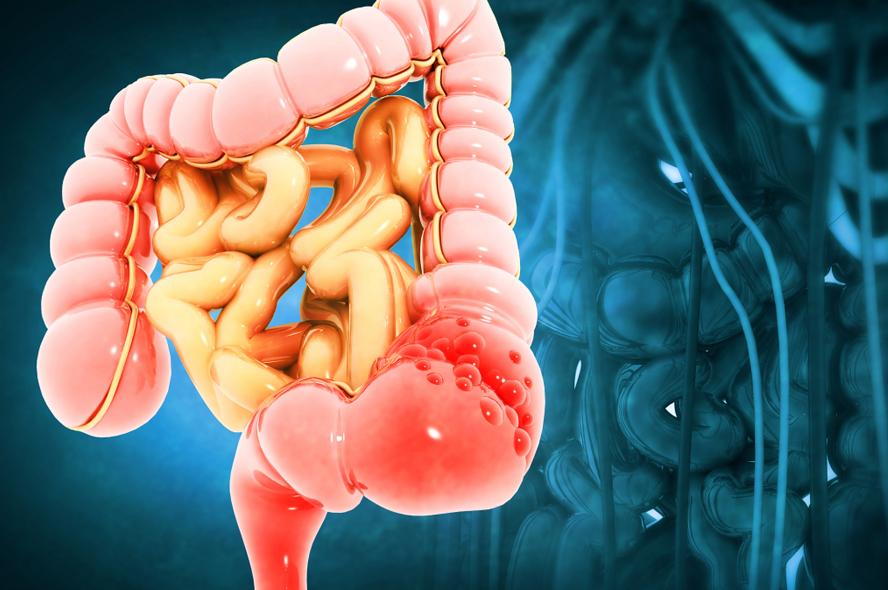
Protect your intestines—be alert to these 4 warning signs of an impending crisis
Many people are completely unaware of intestinal "cancerization," which often acts as a "silent killer." Over 80% of early-stage colorectal cancer cases show no typical signs, but during hot weather, the following four signals deserve your heightened vigilance:
Changes in stool characteristics: such as sudden loose stools, alternating constipation and diarrhea, or blood in the stool.
Abdominal dull pain and bloating: especially worsening after consuming greasy or pickled foods.
Sudden weight loss: losing 3-5 kilograms within three months without actively trying to lose weight.
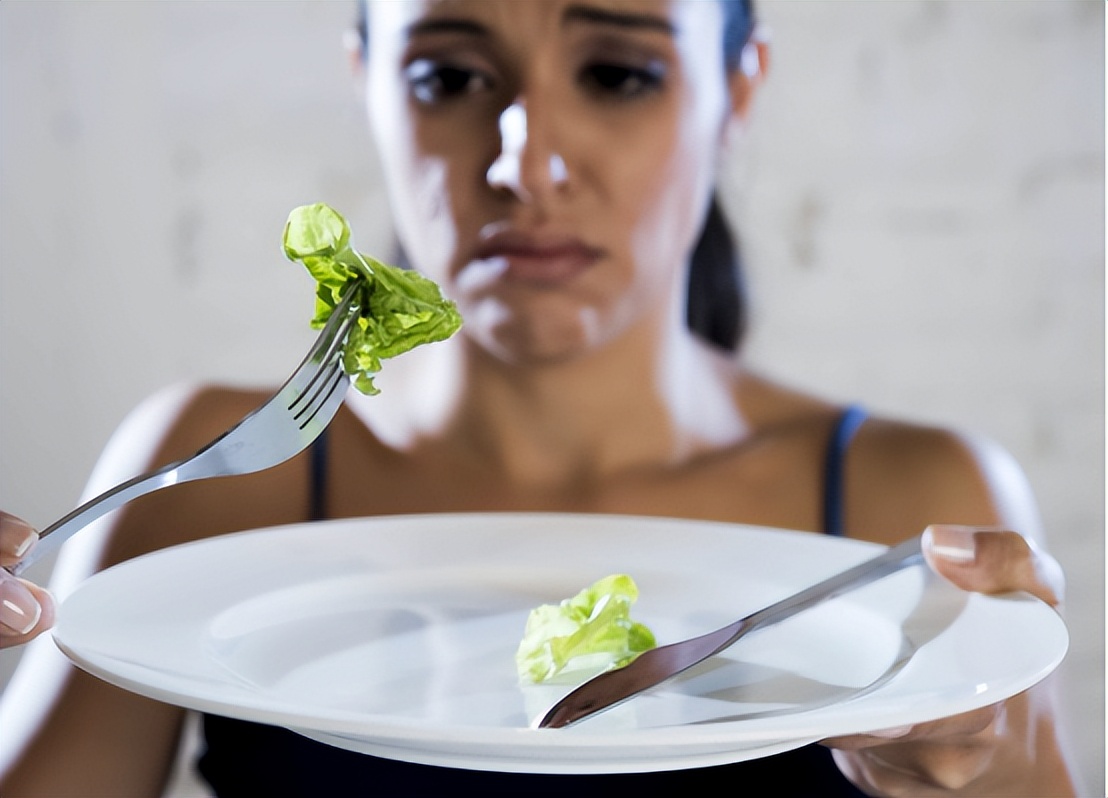
Loss of appetite, fatigue: Long-term indulgence in high-risk foods leads to issues with intestinal absorption.
If you encounter any of the above situations, even if only occasionally, be sure to seek medical consultation promptly!
Dietary Recommendations for Protecting the Intestines in Hot Weather: 5 Ways to Keep Your Family Safer
Eating is not only a joy in life but also the foundation of health. Experts suggest that there is no need to "fear food"; the key is to make smart choices:
Prefer Low-Temperature Cooking: Replace frying and grilling with "stewing, steaming, and boiling." This can reduce the formation of heterocyclic amines by at least 65%.
300-500g
Increase dietary fiber intake: Consume 300-500g of fresh vegetables daily, such as broccoli and spinach, to help shorten the intestinal retention time of harmful substances.
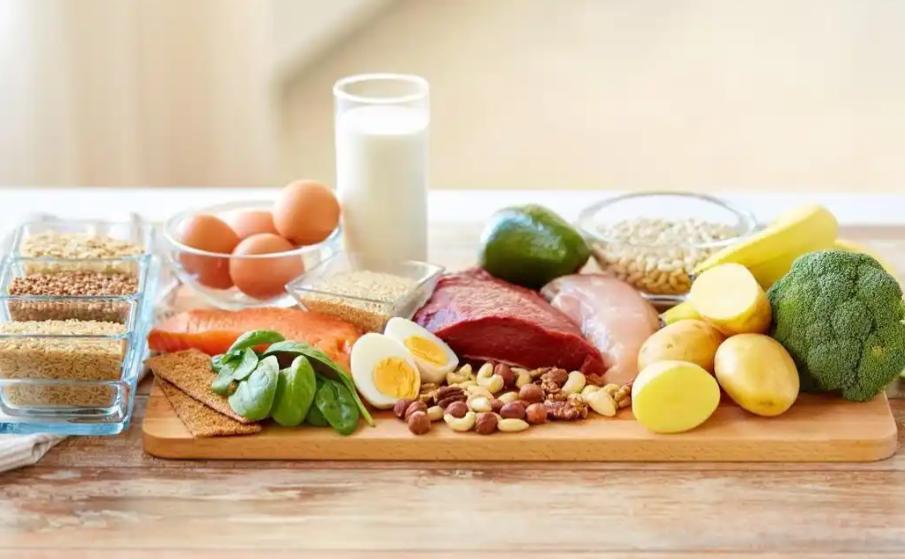
Reduce salt and pickled foods, choose quality protein: Replace processed meats with fresh chicken and fish, which are lower in calories and contain 30%-50% less fat.
Regular self-examination, pay attention to signals: Do not delay symptoms like bloody stools or abdominal pain on your own. For colonoscopy screening and fecal occult blood tests, it is recommended that individuals aged 40 and above or those with a family history undergo them once a year.
While indulging in food, practice portion control: Limit barbecued and pickled foods to no more than once per week, and aim for 70% fullness with each meal of staple foods.
Stay properly hydrated and avoid icy stimulation: Replace sugary drinks with warm water or lightly salted water to care for your digestive system.