COPD Patients, Remember: 1 Thing Not to Eat in the Morning, 2 Things Not to Do at Noon, 3 Things to Avoid in the Evening
At five in the morning, Grandpa Zhang woke up coughing again. Outside the window, the sky was just beginning to lighten. He sat quietly by the bed, listening to his own breathing grow increasingly rapid. His wife brought him breakfast—the familiar fried dough sticks and fried eggs.
Grandpa Zhang took a bite, but the tightness in his chest didn’t ease at all—instead, his coughing grew even more violent. He couldn’t help but frown: "Could eating breakfast every day really affect my condition?"
The doctor’s reminder echoed in his ears again: "For COPD, three parts treatment, seven parts care." But where should the care begin? What should he do?
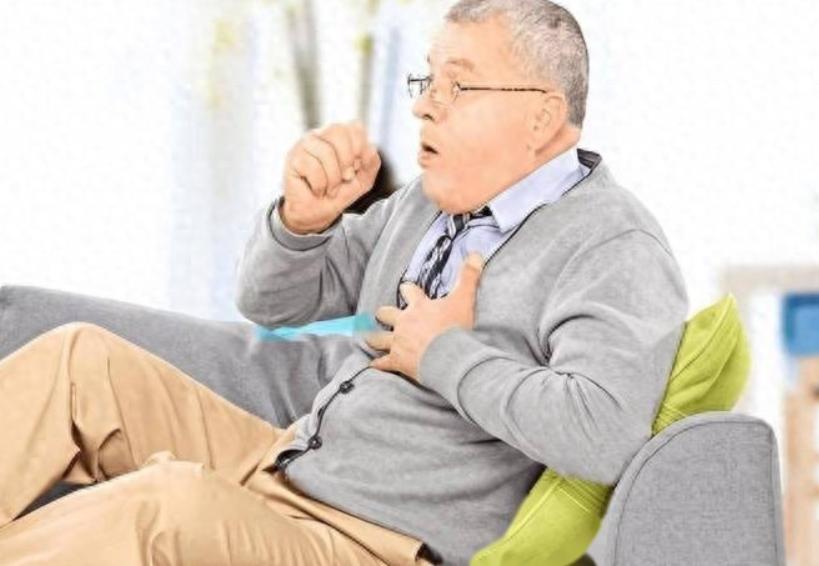
Many COPD patients like Grandpa Zhang follow their daily routines day after day, unaware that some of their habits are quietly worsening their condition.
What’s even more concerning is that a significant number of middle-aged people don’t yet realize that their breathing issues and lung function are on the verge of dramatic changes—all because of these seemingly minor daily details.
So, how can COPD patients safely get through each day? What is that one thing they should not eat in the morning? What are the "hidden pitfalls" at noon and in the evening that are frequently overlooked? Tracing back to the root, the answers may surprise most people.
COPD is not just a distant "disease of the elderly." In recent years, more and more middle-aged individuals have found themselves becoming new members of the "breathless family."
In fact, the cumulative number of COPD patients in China has exceeded 100 million, and more than half of them are diagnosed only after experiencing recurrent coughing, phlegm production, and breathlessness after walking just a few steps.
Surprisingly, not all COPD cases are directly related to "smoking." Over 35% of patients have never smoked in their lives, yet they still face risks such as shortness of breath, chest tightness, and even hospitalization due to acute exacerbations triggered by a common cold. This is closely linked to daily lifestyle habits.
The World Health Organization and authoritative experts in China jointly point out that daily care for COPD patients is more critical than treatment, especially during the three periods of "morning, noon, and evening" in a day.
Because these three time periods are windows when lung function fluctuates the most and is most susceptible to external environmental and behavioral influences. Once neglected, the condition is prone to recur and worsen.
In the early morning, people with COPD often wake up when airway secretions are at their thickest, and the trachea is particularly "fragile."
If breakfast includes high-fat, high-temperature fried foods (such as fried dough sticks, pancakes, fried eggs, etc.), it can easily cause secretions to thicken further, irritate the airways, worsen coughing, and even trigger airway spasms.
What's worse, high-fat foods can increase the likelihood of gastric reflux. Since gastrointestinal function is already weak in the morning, reflux can irritate the airways, making it easy for the day to be filled with repeated coughing and chest tightness.
Studies show that the consumption of fried foods is associated with a 21.4% increased risk of worsening morning cough in COPD patients. Therefore, the first thing to avoid in the morning is fried foods.
Instead, it is recommended to choose warm, light, soft, and easily digestible foods, such as steamed eggs, porridge, or millet congee. This helps the body start smoothly without adding extra burden to the airways, significantly reducing the embarrassment of "coughing nonstop" in the morning.
At noon, many COPD patients tend to fall into two common misconceptions:
First, avoid keeping windows and doors closed before taking a midday nap.
。
As temperatures rise at noon, many elderly people, fearing heat or cold, prefer to "rest with the door closed" during their midday nap. They often keep the room completely unventilated, even when using air conditioning. However, staying in an environment with poor air quality and low oxygen levels for an extended period can lead to an increase in carbon dioxide concentration. Relevant experiments have found that when indoor air circulation decreases, for every 1% drop in oxygen levels, the probability of COPD patients experiencing "wheezing" increases by 17%.
Moreover, the lungs of COPD patients are like an inefficient "air exchanger." When ventilation is poor, the burden on lung tissue increases sharply, often leading to symptoms such as increased fatigue and shortness of breath upon waking from a midday nap.
The second misconception is taking a shower immediately after a meal.
After eating, the digestive tract requires concentrated blood supply. If blood flow distribution is disrupted at this time due to bathing (especially due to temperature variations during bathing), it can easily trigger fluctuations and discomfort in cardiopulmonary function.
Especially when taking a hot bath, the relatively enclosed and humid bathroom environment further reduces air circulation, potentially inducing acute breathing difficulties. Clinical statistics show that approximately 15.8% of COPD patients have sought medical attention for chest tightness or discomfort triggered by bathing immediately after meals.
Therefore, it is essential to remember two things during the midday period: ensure proper air circulation by opening windows appropriately before taking a nap; wait at least 40 minutes after eating before bathing, and always ensure ventilation during bathing to avoid entering a "stuffy" bathroom while still "full from the meal."
In the evening, most people mistakenly believe that simply "taking medication on time and going to bed early" is sufficient. However, there are three often-overlooked taboos: avoiding staying up late, refraining from smoking, and not holding in urine.
Evening is the "golden time" for the human body to repair the respiratory mucosa. If one frequently stays up late, the circadian rhythm becomes disrupted, inflammation is easily activated, and the repair of lung tissue is impaired. Studies have shown that long-term late sleep in COPD patients increases the risk of acute exacerbation by 38.6% compared to those with normal sleep patterns.
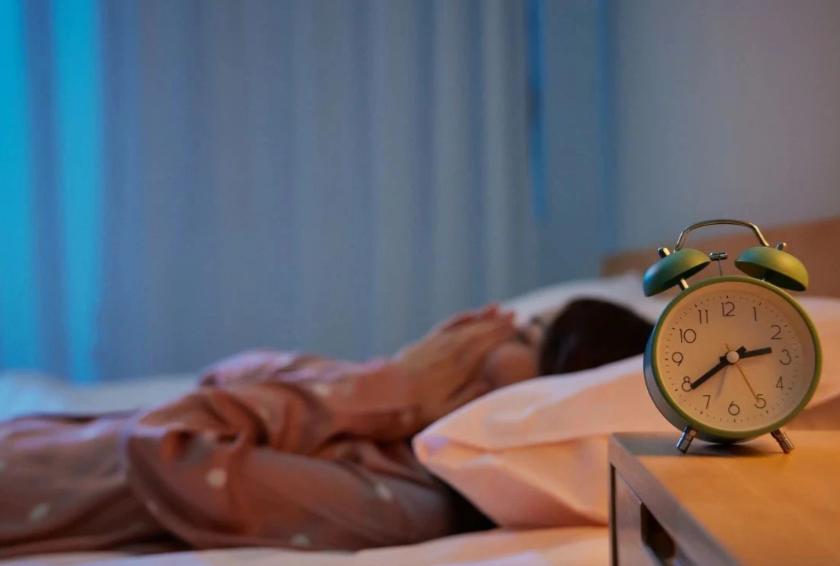
Smoking goes without saying; even if COPD patients have "restrained" themselves during the day, an occasional cigarette at night can exacerbate airway damage during the low point of the lungs' detoxification function at night, triggering breathing difficulties.
As for holding in urine, it may seem unrelated to the lungs, but in reality, when the bladder is full at night, increased abdominal pressure directly compresses the diaphragm, affecting lung expansion and hindering smooth breathing. This effect is particularly pronounced in patients with emphysema.
More dangerous than staying up late or smoking is the "combination" of all three: a pack of cigarettes before bed, staying up late while holding in urine and playing on the phone. These seemingly trivial habits are actually the hidden culprits behind nighttime fluctuations in COPD symptoms.
Since the condition is related to behavior, are there any specific and effective coping strategies?
Every morning, avoid fried, greasy, and heavily salted breakfasts. Instead, opt for soft, nutritious, and easily digestible foods such as steamed eggs, multigrain porridge, or yam and millet porridge.

At noon, regardless of the weather, ensure proper air circulation before lying down, avoid napping for more than 1 hour, and minimize time spent in enclosed air-conditioned spaces. After meals, be sure to rest for 40 minutes before bathing, and choose a well-ventilated bathroom.
In the evening, strictly discipline yourself to avoid staying up late and ensure 7-8 hours of adequate sleep. If you have a smoking habit, even if you cannot quit entirely immediately, firmly refrain from smoking at night. Use the bathroom on schedule and avoid holding in urine, especially making sure to empty your bladder before going to sleep.
Additionally, COPD patients must not completely avoid exercise out of fear of exertion. Even just a 10-minute slow walk at the doorstep or doing deep breathing exercises daily can significantly slow the decline in lung function.
Latest international data confirms that maintaining a daily step count above 3,000 steps can reduce the rate of COPD exacerbation by 18.2%.
Many patients and their families focus solely on medical interventions such as medication and oxygen therapy, but regular daily care is the fundamental long-term approach to "preventing and stopping asthma attacks."