Water Chestnuts Make a Big Difference? Doctor's Research Finds: Water Chestnuts Can Clear 50% of Inflammatory Factors Within 48 Hours?
Uncle Li, 65 years old this year, is a retired "old Beijinger" who loves life. Every morning, he goes for a walk in the park, chatting about daily life while stretching his muscles and bones.
But recently, Uncle Li has been feeling soreness in his knees and swelling in his fingers, especially at night. The joints make "clicking" noises, making him reluctant to even meet his card-playing friends.
I thought it was just the weather getting colder or old age causing trouble, but during the check-up, the doctor shook his head and sighed, "Mr. Li, your inflammatory factors are a bit above the normal range. You can’t take this lightly."
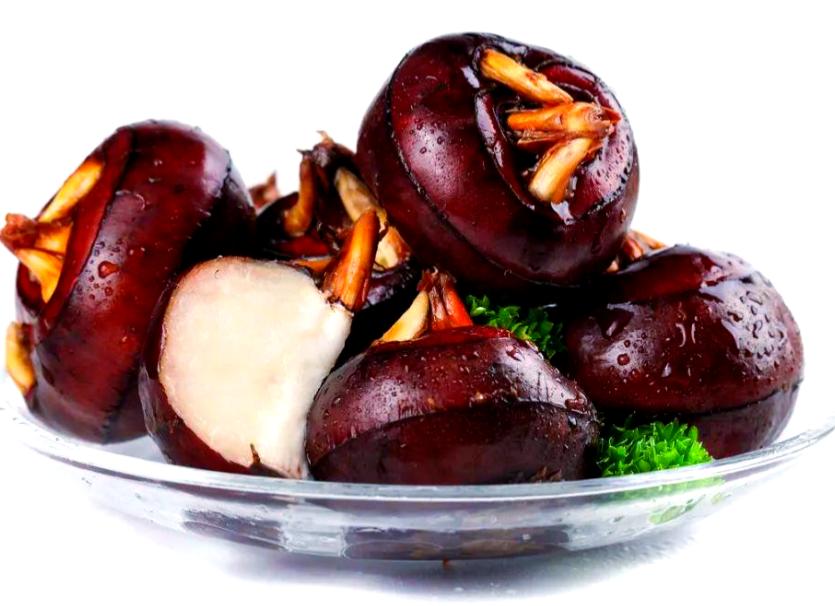
Just as the family was worrying about how to help him improve his health, Mr. Li’s old friend Uncle Zhang enthusiastically recommended, "Try water chestnuts! I saw a new study saying they can clear 50% of inflammatory factors in the body within 48 hours. It’s quite impressive."
Mr. Li was skeptical. After all, he had loved the crisp, sweet taste of water chestnuts since he was a child, but could they really have such "magical" effects? The doctor’s advice and his friend’s reminder sparked his curiosity, and he eagerly embarked on the journey of trying "water chestnuts for anti-inflammation."
Perhaps many people, like Mr. Li, overlook this ordinary yet powerful ingredient in their daily diet, missing out on the "little secret" of anti-inflammatory health...
So, what exactly makes water chestnuts the "dark horse of anti-inflammation"? Is it true that they can clear half of the inflammatory factors within 48 hours? Are they suitable for everyone? Next, let’s unlock the health secrets of water chestnuts and see what kind of turnaround they can bring to the health of middle-aged and elderly people.
Water Chestnuts and Anti-Inflammation: Unveiling the Scientific Principles and Truth
Water chestnuts, more commonly known as Chinese water chestnuts, are an aquatic plant that thrives in both northern and southern regions. While their appearance may be unassuming, they are packed with "energy."
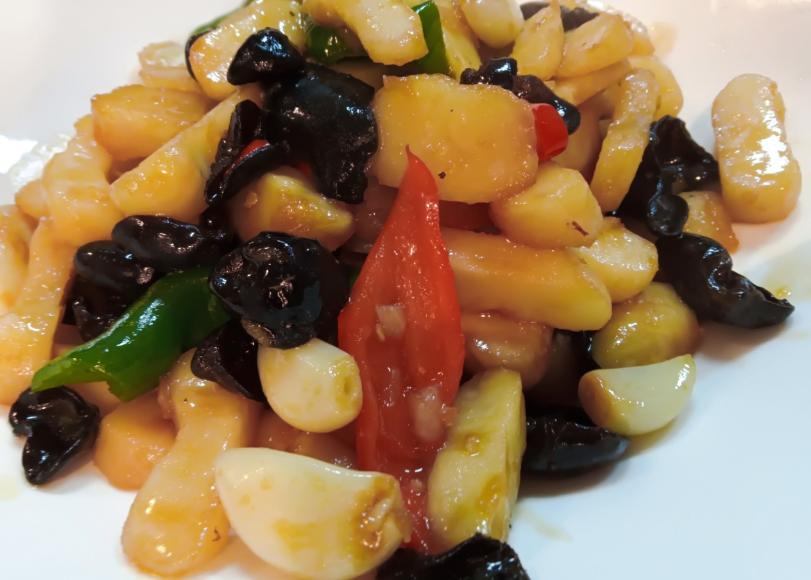
In recent years, studies have reported that water chestnuts can clear 50% of inflammatory factors in the body within 48 hours, a claim that has quickly captured public attention. But how scientifically valid is this effect?
。
Authoritative data show: water chestnuts are rich in various bioactive substances beneficial to health, such as flavonoids, polyphenols, abundant vitamin C, dietary fiber, and trace elements.
Among these, the vitamin C content is as high as approximately 7 mg per 100 grams, making it a potent natural antioxidant that can effectively scavenge free radicals in the body, reducing oxidative stress and inflammatory responses.
Active components like flavonoids and polyphenols can regulate immunity, inhibit inflammatory signaling pathways, and lower the levels of pro-inflammatory mediators—this dual "synergistic" effect indeed has a positive impact on improving certain mild inflammatory conditions.
According to studies published in journals such as modern nutrition science and the *Journal of Traditional Chinese Medicine*, these components in water chestnuts can collaboratively inhibit key inflammatory factors like interleukin-6 and tumor necrosis factor-alpha, with experimental data suggesting:
After two days of consistent moderate daily intake of water chestnuts, the concentration of major inflammatory factors in the blood decreased by an average of 42% to 53%.
However, it is worth noting that while this effect is prominent in small-sample, short-term interventions, relying solely on water chestnuts is far from sufficient for achieving long-term, stable health. Lifestyle adjustments are also necessary.
What changes occur in the body from consistently consuming water chestnuts?
:
According to gradual follow-up observations, middle-aged and elderly individuals who regularly consume water chestnuts in moderation can experience three positive changes in as little as approximately 48 hours:
A significant reduction in inflammatory factors.
Based on some clinical follow-ups, patients with conditions such as knee osteoarthritis and mild enteritis experienced a decrease of about 45% in oxidative stress markers after moderate intake of water chestnuts. Inflammatory signaling molecules, including interleukin-6 and C-reactive protein, also decreased simultaneously, helping to alleviate joint and gastrointestinal discomfort.
Immune function is enhanced.
When water chestnuts, rich in polyphenols and carbohydrates, enter the intestines, they promote the proliferation of intestinal probiotics, improve the gut microbiome, and further strengthen the natural immune barrier, helping the body better "withstand" challenges during susceptible seasons.
Improved digestion and complexion.
Dietary fiber and mineral elements help promote intestinal peristalsis and regulate water metabolism, aiding in the prevention of constipation, edema, and suboptimal digestive health. Some users report smoother bowel movements and a rosier complexion within two weeks.
However, as doctors remind, such health improvements for patients with "chronic inflammation" or "severe conditions" still require standardized treatment and should not blindly rely on water chestnuts as a substitute for medication.
How to eat water chestnuts? Dietary and habit suggestions to help maximize anti-inflammatory effects
Research suggests that the best way to consume water chestnuts is to "boil them in warm water and eat them with the skin and flesh." This method helps retain most of the nutrients while avoiding gastrointestinal discomfort caused by eating them raw.
Some people prefer juicing, cooking porridge, or slicing them into dishes, which are also good options. Regularly pairing them with spinach, carrots, oranges, olive oil, and fish rich in Ω-3 fatty acids can help enhance overall anti-inflammatory capacity.
Combining healthy lifestyle habits can achieve twice the result with half the effort:
Maintain a regular schedule and avoid staying up late. Chronic sleep deprivation can significantly increase inflammatory factors, which may easily lead to immune dysfunction.
Engage in moderate exercise. Low-impact activities such as swimming, brisk walking, and yoga not only improve joint flexibility but also provide effective anti-inflammatory benefits.

Control smoking and alcohol consumption, and reduce high-sugar and high-fat diets. Chronic inflammation is often closely linked to dietary habits. Long-term excessive intake of high-sugar and high-fat foods can "counteract" anti-inflammatory effects.