Is Alzheimer's Disease Related to Choline Deficiency? Doctor: Eating Walnuts Regularly Is Not as Good as Consuming These 3 Foods to Reduce Brain Stress
64-year-old Uncle Li has recently been feeling that his memory isn't as sharp as before. Just a few minutes ago, he was boiling water in the kitchen, but in the blink of an eye, he forgot whether he had turned off the stove after the water boiled. When going out to buy soy sauce, he repeatedly left his wallet at home. Hearing from neighbors that "walnuts are good for the brain," his family started preparing a handful of walnuts for him every day.
Half a year has passed, and a corner of the house is now piled high with walnut shells, but Uncle Li's forgetfulness hasn't improved—in fact, it seems to have worsened slightly. His family began to wonder: Is it really that walnuts don't work, or is there something else going on? Are there more scientific ways to slow down brain aging?

In fact, situations like Uncle Li's are quite common in many households. Many people believe that simply eating more walnuts or nuts in daily life can help the brain resist the nightmare of "Alzheimer's disease." But is this really the case from a medical perspective?
Could it be that Alzheimer's disease is just simple "forgetfulness," and eating some nuts can easily keep it at bay? For this reason, neurologists specifically remind us: Paying attention to key nutrients like choline is more reliable than blindly "supplementing with walnuts"!
According to data from the Chinese Center for Disease Control and Prevention, the incidence of Alzheimer's disease (commonly known as senile dementia) among people aged 60 and above in China has reached 6%–8%, ranking among the highest globally. Faced with such a severe health challenge, how should we protect our brains?
。
Today, let’s scientifically decode the truth about walnuts' brain-boosting effects and the correct "three things" to reduce stress on the brain.
Is Eating Walnuts Enough to Prevent Alzheimer's Disease?
First, walnuts are indeed rich in antioxidants such as alpha-linolenic acid and vitamin E, which play a certain role in maintaining brain health. However, many people overlook the biggest hidden culprit affecting Alzheimer's disease: choline deficiency.
Doctors point out that the choline required by the body is the raw material for synthesizing acetylcholine—an important neurotransmitter in the brain.
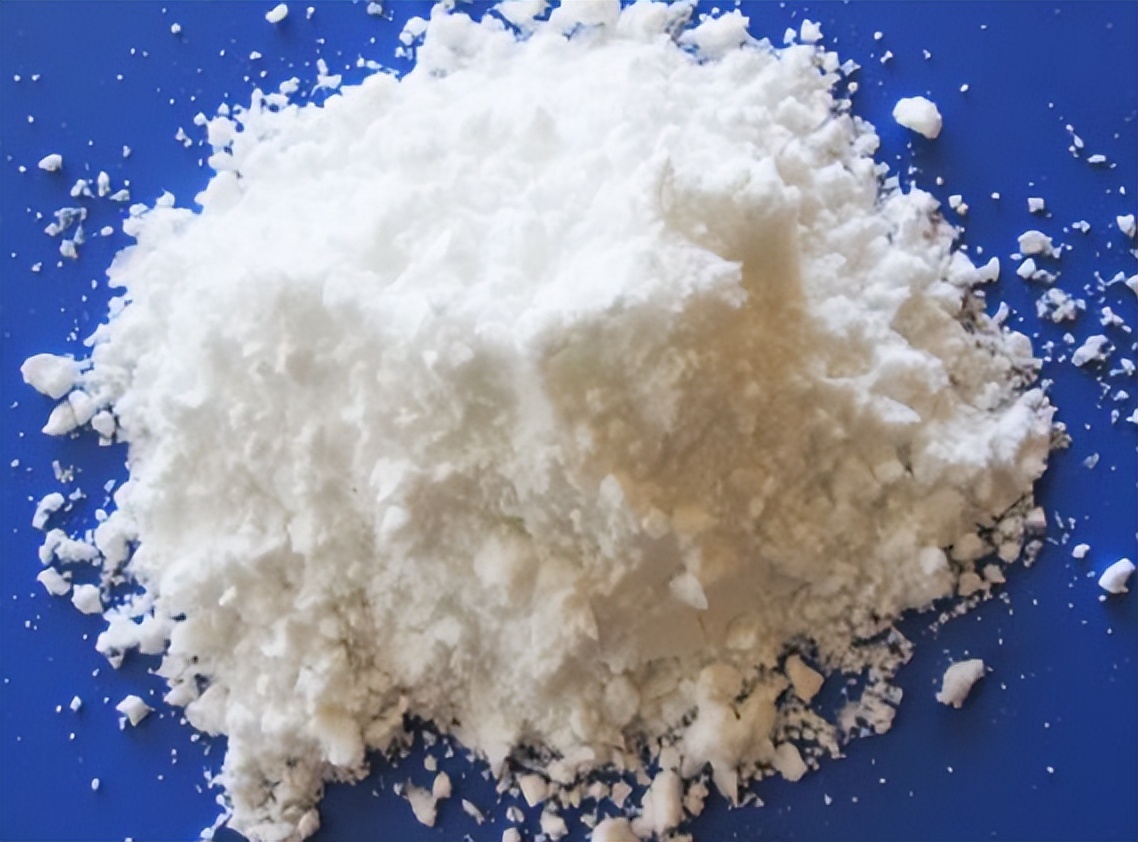
When choline is insufficient, the efficiency of signal transmission decreases, affecting memory, attention, and learning ability. Clinical observations show that approximately 40% of Alzheimer's patients have low choline levels.
Although walnuts are rich in nutrients, their choline content is not high. Relying solely on walnuts for long-term brain supplementation has limited effects.
A Harvard University follow-up study of over 6,000 elderly individuals found that those with sufficient choline intake in their diet had a lower risk of cognitive impairment.
Individuals with habits such as high-sugar, high-fat diets, frequent smoking and drinking, and low intake of eggs, dairy, and meat have a significantly higher incidence of Alzheimer's disease, which is closely linked to choline deficiency. Therefore, to truly "reduce the burden on the brain," it is not enough to rely solely on walnuts; one should also find the "right choline-rich helpers."
Adhere to a Scientific Diet and Prioritize These 3 Types of Food for 3 Major Brain Changes
Medical experts suggest that instead of eating walnuts every day, it is better to reasonably increase choline-rich foods and adopt a multi-pronged approach to keep the brain in a more stable state. The following three ingredients should not be overlooked:
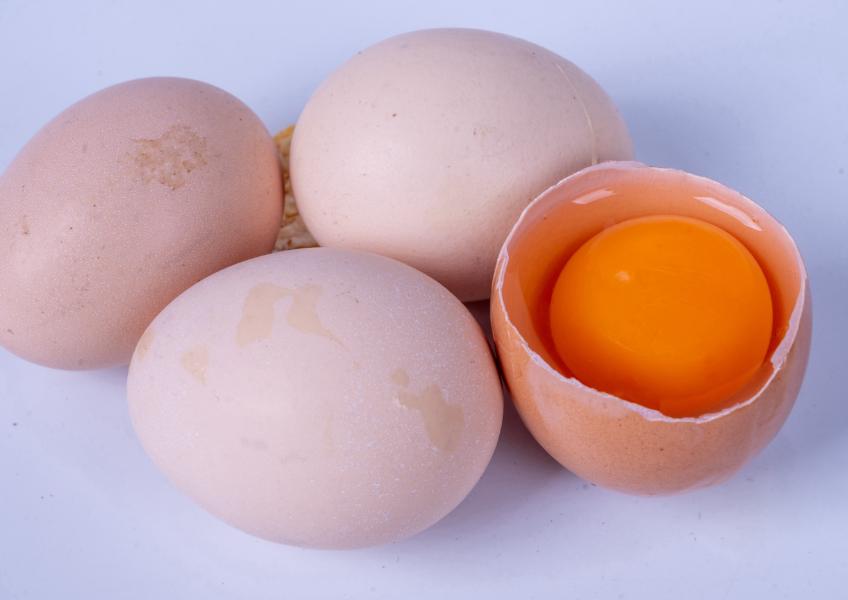
Eggs (especially the yolk)
Eggs are hailed as a "natural choline warehouse." A medium-sized yolk contains as much as 125-150 mg of choline. Consuming 1-2 eggs daily can meet most of the choline needs of the elderly.
Studies have shown that middle-aged and elderly people who regularly eat eggs have a reduced risk of memory decline by approximately 21.6%. Of course, individuals with hyperlipidemia or specific health conditions should follow their doctor's advice regarding intake.
Lean meat and animal liver
Lean pork, chicken, beef, and other animal meats are rich in choline and high-quality protein. Particularly animal livers, such as pork liver and chicken liver, contain up to 194 mg of choline per 100 grams.
Moderate intake not only nourishes the liver but also effectively protects the brain. However, it is recommended to consume no more than twice a week, paired with vegetables to avoid excessive cholesterol intake.
Milk and Dairy Products
Milk and milk powder are excellent sources of high-quality protein and various B vitamins. Per 100 ml of milk, the choline content ranges from 14 to 24 mg, making it suitable for daily consumption in divided portions. High-protein milk powder, isolated whey protein, and similar products are easier to digest and absorb, making them suitable for elderly individuals with average gastrointestinal function.

In addition to these three categories, you can also consume deep-sea fish (rich in brain-boosting DHA) and soy products in moderation to help "relieve stress" on neurons and nourish the brain.
Many people are unaware that over-reliance on supplements and excessive consumption of walnuts may actually cause digestive strain. It’s better to eat the three everyday foods mentioned above in moderation. At the same time, maintaining a balanced diet, low in salt and sugar, and avoiding overeating are the true "baseline for brain health."
Lifestyle habits are equally important—these details allow the brain to "breathe" smoothly.
Food is the foundation, but good habits are equally crucial. Numerous clinical follow-ups suggest that incorporating the following practices into daily life can significantly slow the progression of Alzheimer’s disease:
:
Regular Routine and Exercise: Brisk walking/dancing for ≥150 minutes per week can effectively improve cerebral blood supply and enhance cognitive function. Square dancing, jogging, and light yoga are suitable for the majority of middle-aged and elderly individuals.
Use your brain more and socialize more: Regularly chatting with family and friends, participating in group activities, and engaging in brain-teasing games can help stimulate brain activity areas and reduce the risk of "use it or lose it."

Maintain a positive mindset and avoid excessive anxiety: Excessive stress can easily lead to brain cell damage. Staying optimistic, maintaining a positive mood, and seeking help openly contribute to the balance of neurotransmitters.
Control the "three highs" (hypertension, hyperglycemia, and hyperlipidemia): According to statistics, over 80% of Alzheimer's patients also have chronic underlying conditions. Regular check-ups and medication adherence as prescribed by a doctor are the first steps in protecting the brain.