Still Eating Onions After 70? Doctor Warns: To Live Another 20 Years, Avoid These 3 Foods If Possible!
At six in the evening, familiar laughter drifted in from the balcony. Aunt Wang, 72 years old, had just finished distributing fruit to her two young grandchildren and was quietly chopping some onions to mix into a cold dish. Her husband couldn’t help but mutter, "How old are you now, and you still dare to eat something as irritating as onions? Aren’t you afraid of upsetting your stomach?" Aunt Wang smiled and waved her hand, "I’ve looked it up—onions are good for the body. Experts abroad say eating onions can help prevent cardiovascular disease."
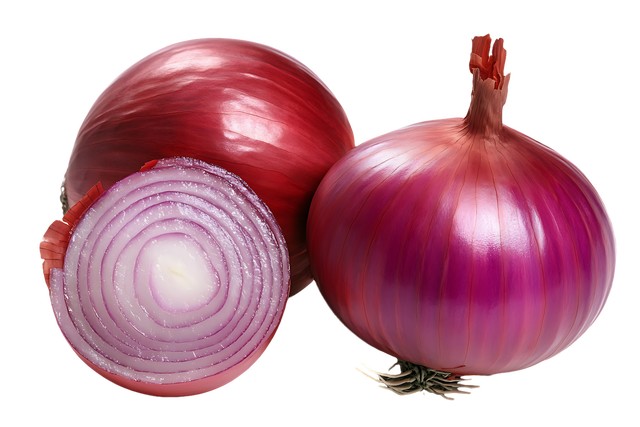
The younger generation, however, frowned. "I’ve heard that older people have weaker stomachs, so it’s better to eat less raw, cold, or spicy food." For a moment, opinions varied around the dinner table. Can elderly people really still eat onions? Are onions truly healthy and free of side effects?
The doctor’s answer actually surprised everyone. Not only are there certain foods that people over 70 should indeed avoid eating in large quantities, but they may even affect lifespan. "If you can avoid eating these three things, don’t eat them." So, what are these three items? Are you really eating correctly when it comes to those overlooked daily dietary habits? Let’s uncover the answers together below.
Can People Over 70 Still Eat Onions Safely? Here’s What Experts Say
。
When it comes to onions, many people’s first reaction is "clearing blood vessels," "lowering the three highs," and "preventing tumors." Indeed, scientific evidence shows that onions are rich in natural polyphenols like quercetin, which possess certain antioxidant and anti-inflammatory effects. They can also improve vascular endothelial function, helping to prevent atherosclerosis. A European meta-analysis indicated that people who regularly consume onions have a lower incidence of cardiovascular disease, with a reduction of about 15%.
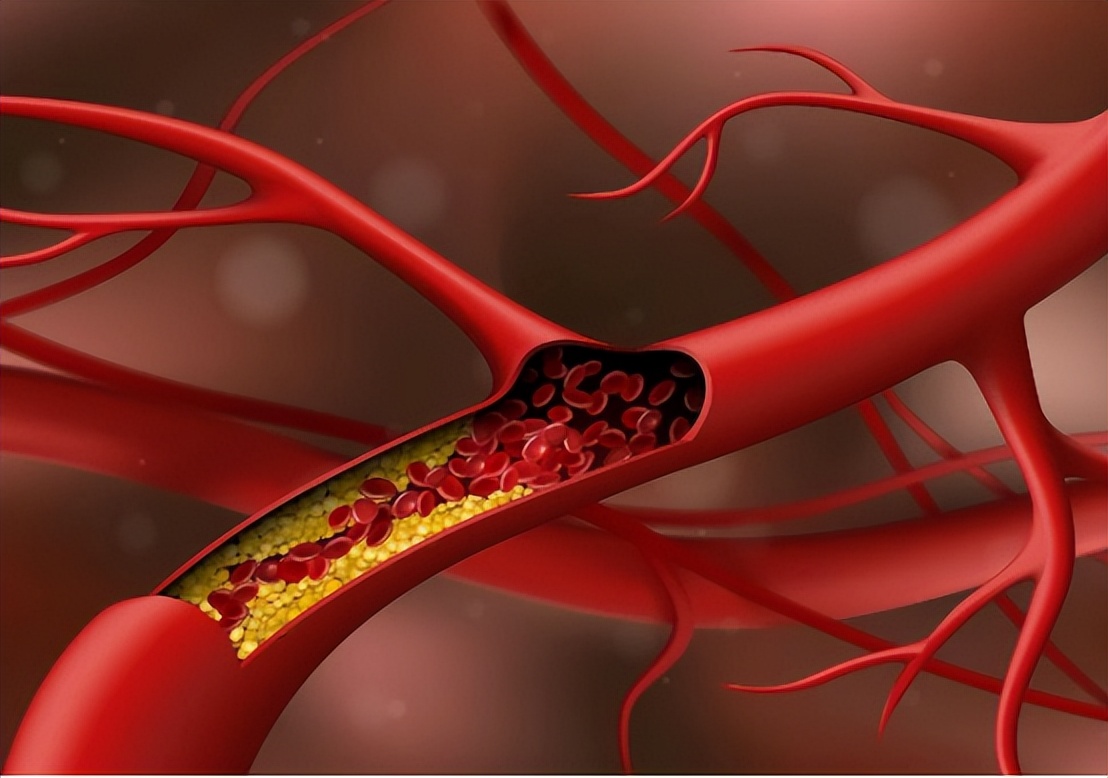
However, all these benefits come with conditions. For middle-aged and even younger individuals, moderate consumption of onions indeed offers more advantages. But once past the age of 70, the body's gastrointestinal barrier function, digestive enzyme secretion levels, and liver-kidney metabolic capacity all significantly decline.
At this stage, if one frequently consumes large amounts of stimulating foods like onions, which contain high levels of sulfur volatiles, some elderly individuals with fragile constitutions may experience indigestion, bloating, or even gastrointestinal reactions.
According to healthy dietary recommendations issued by the Chinese Medical Association, individuals over 70 years old are advised to consume no more than 50 grams of onions per day, preferably cooked. This is particularly important for those with chronic gastritis or reduced kidney function, who should exercise greater caution regarding onion intake.
Will Eating Onions Consistently Really Help You Live Longer in 20 Years? These Changes May Happen in Your Body
Many surveys in longevity villages have found that elderly individuals who consume onions in moderation tend to have more stable levels of blood lipids, blood pressure, and blood sugar. Among these, an 8-year follow-up study by Japan's National Center for Geriatrics and Gerontology showed that individuals over 70 years old who consumed cooked onions 2-3 times per week had better health outcomes.
Compared to almost never eating onions, the risk of cardiovascular and cerebrovascular events is reduced by approximately 10.8%, and the incidence of stroke decreases by 14.9%. The sulfides and dietary fiber in onions also help reduce postprandial blood glucose fluctuations, which is beneficial for prediabetes prevention.

However, excessive consumption may not provide additional benefits. Once onion intake exceeds the daily recommended amount, an Italian clinical study indicates that the incidence of gastrointestinal bloating and stomach pain in the elderly increases by 16.3%, with some individuals also experiencing mild diarrhea and belching. Additionally, for elderly individuals with weakened liver or kidney function or those taking antihypertensive medications, long-term high intake of onions (especially raw) may interfere with drug efficacy and pose unnecessary health risks.
More importantly, it is advisable to avoid the following three types of food as much as possible after the age of 70:
Raw and irritating foods (such as raw garlic, raw onions, and cold beverages)
Expert conclusion: As age increases, gastrointestinal resistance declines, making raw, cold, and irritating foods highly likely to trigger diarrhea, abdominal pain, and flare-ups of chronic gastritis. A large-scale domestic elderly health survey found that among individuals aged 70 and above who frequently consume raw onions and garlic, the incidence of digestive system discomfort is as high as 24%, significantly higher than that of those who consume cooked foods.

High-salt preserved foods (such as pickled vegetables, cured meat, and pickled mustard tuber)
Authoritative Research: Data from the Chinese CDC indicates that a high-salt diet is a major trigger for hypertension in middle-aged and elderly individuals. After age 70, the glomerular filtration rate naturally declines, significantly increasing the burden on the kidneys. The World Health Organization recommends that the elderly limit their daily sodium intake to no more than 5 grams. Preserved foods contain large amounts of nitrites, which are also associated with an increased risk of gastric cancer.
Fried High-Fat Foods (e.g., French fries, fried chicken, fried dough cakes)
Clinical Evidence: The older the age, the more likely cholesterol and triglyceride levels are to rise due to fried foods rich in trans fats. The latest Harvard special report on cardiovascular health points out that consuming fried food more than once a week increases the incidence of coronary heart disease by nearly 18.5% in people over 60. For individuals over 70, it is recommended to "avoid eating such foods whenever possible."
Choosing healthier dietary approaches for the elderly—this is the right way to eat
The key to "living another 20 years" lies in scientifically adjusting dietary structure, reducing gastrointestinal burden, and minimizing cardiovascular risks.
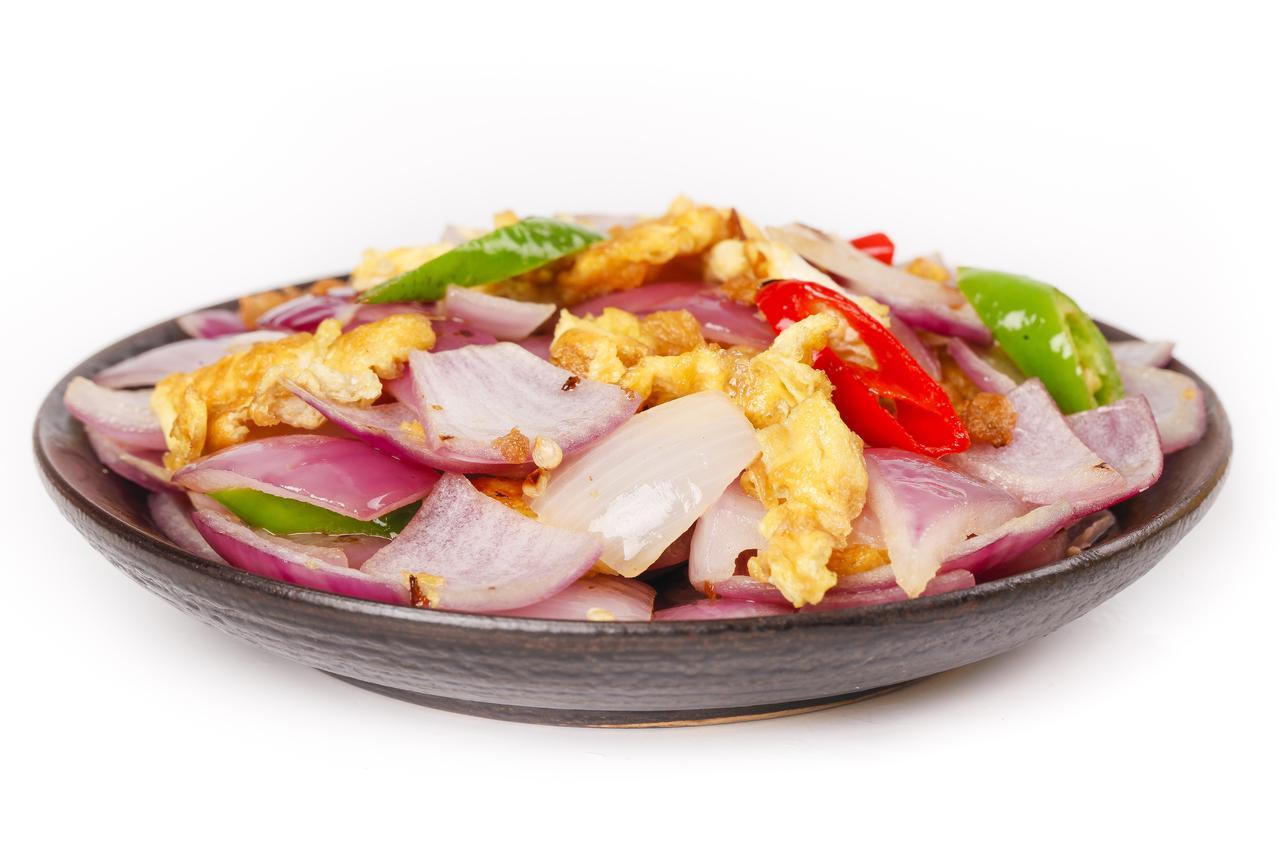
Onions can be consumed in moderation, preferably cooked by stir-frying, steaming, or stewing rather than eaten raw. It is recommended to limit intake to 30–50 grams per meal. For those with weak stomachs or bloating, consumption every other day is advisable.
Pay attention to drinking warm water regularly and supplementing with soft foods such as millet porridge, oats, and tremella soup, which are easy to digest and nourish the internal organs.
Combine whole grains and refined grains in staple foods, incorporating an appropriate amount of whole grains and tubers daily while limiting refined rice and flour.
Increase intake of fresh fruits and vegetables (such as broccoli, carrots), lean meat, fish, and eggs, with daily sodium intake not exceeding 5 grams and fat limited to within 30 grams. Consuming seafood twice a week is beneficial for cardiovascular health.
Quitting smoking, limiting alcohol, maintaining regular routines, and engaging in moderate exercise (such as a 20-minute slow walk after meals) are particularly important for delaying aging and preventing the "three highs" (hypertension, hyperlipidemia, hyperglycemia).