People Who Persistently Stand on Their Tiptoes Every Day Will Soon Experience 6 Astonishing Changes in Their Bodies
In the early morning community garden, Aunt Yang is always the first to arrive. While others are still immersed in the morning light and mist, she has already prepared her hot tea and quietly stands by the bench. With a slight straightening of her posture, she gently rises onto her tiptoes, places her hands on her hips, gazes forward, holds her breath, and slowly counts to twenty in her mind before gracefully lowering her heels. The movement appears simple, yet it exudes a sense of certainty in the morning breeze.
Interestingly, after three months of this, even the neighbors couldn't help teasing her, saying she "walked with a breeze." Uncle Wang, especially curious, asked, "Just a few small movements like that—are they really more effective than eating fish and shrimp?" Aunt Yang just smiled mysteriously and replied, "Why don't you try it and see for yourself?"
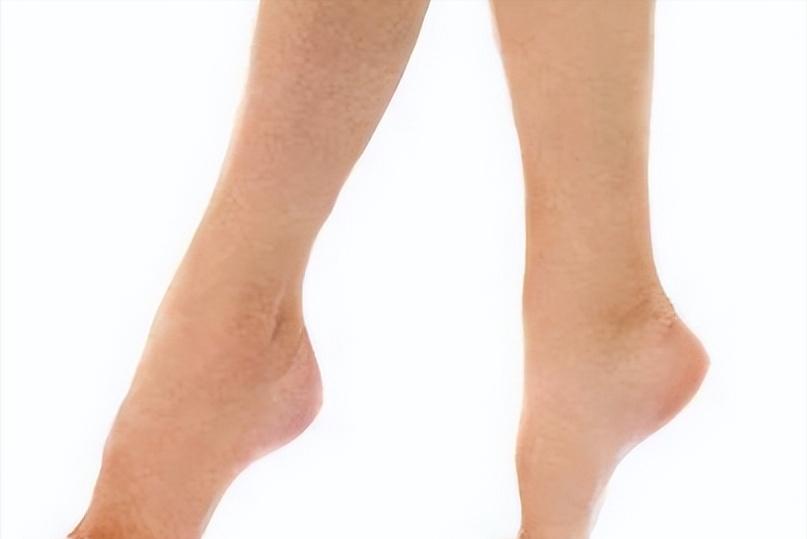
Tiptoeing, a "small movement" often overlooked by many, is now being widely promoted by health enthusiasts across the internet: if you persist in tiptoeing every day, it won't be long before your body experiences six astonishing changes! Perhaps, like Uncle Wang, you've always believed that exercise requires walking, jogging, or practicing Tai Chi. In reality, the easiest and most sustainable secret might just be tiptoeing.
Why exactly does it bring about such significant transformations? Especially the "fourth change," which 99% of people are unaware of. Next, authoritative doctors and data will guide you in uncovering the "health code" of tiptoeing!
The core benefits of tiptoeing: small movement, big energy.
。
Don't underestimate this simple action of "lifting the heels and shifting the body's center of gravity upward." It is regarded by authoritative sources such as *Human Kinesiology* and the Chinese Medical Association as a "hidden weapon" for strengthening the heart, bones, and improving blood circulation.
In principle, tiptoeing fully activates the calf gastrocnemius muscles, stimulates the ankle joints, and mobilizes the body's overall qi and blood circulation. When you stand on tiptoe, your legs act like a "blood pump," helping to quickly return blood from the lower limbs to the heart, reducing leg congestion and swelling. Additionally, the process combines low-intensity aerobic and resistance training, making it particularly beneficial for middle-aged and elderly individuals.
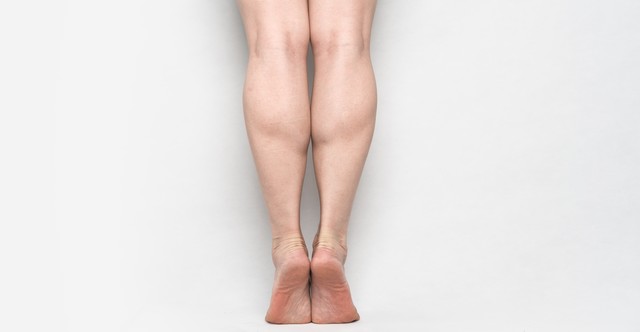
More authoritative data supports this claim. Research from the Sports Medicine Branch of the Chinese Medical Association indicates that after just 1-3 months of consistent tiptoeing, 62% of middle-aged and elderly individuals reported relief from lower limb soreness and edema, with an average improvement of 16.8% in lower limb venous return speed.
Analysis from Harvard Medical School also suggests that tiptoeing "activates the gastrocnemius pump," acting like a "second booster" for the heart, making it a simple and effective method for preventing varicose veins and alleviating fatigue.
Persistently Standing on Your Tiptoes Brings 6 Remarkable Changes to Your Entire Body
:
In fact, many first-time practitioners underestimate the "power" of this movement. According to feedback from authoritative institutions and numerous practitioners, those who consistently perform tiptoe exercises daily will experience the following six progressive and surprising positive changes in their bodies:
Significant improvement in lower limb blood circulation
Tiptoe exercises cause intense contraction and relaxation of the muscle groups on both sides of the calves, promoting rapid blood flow back to the heart like a flood. Data from Peking Union Medical College Hospital shows that after six weeks of daily tiptoe training, lower limb venous blood flow can increase by approximately 15%. Most surveyed individuals reported feeling lighter when walking, reduced leg heaviness, and a noticeable decrease in edema.
Enhanced ankle and foot stability, reducing the risk of falls
,
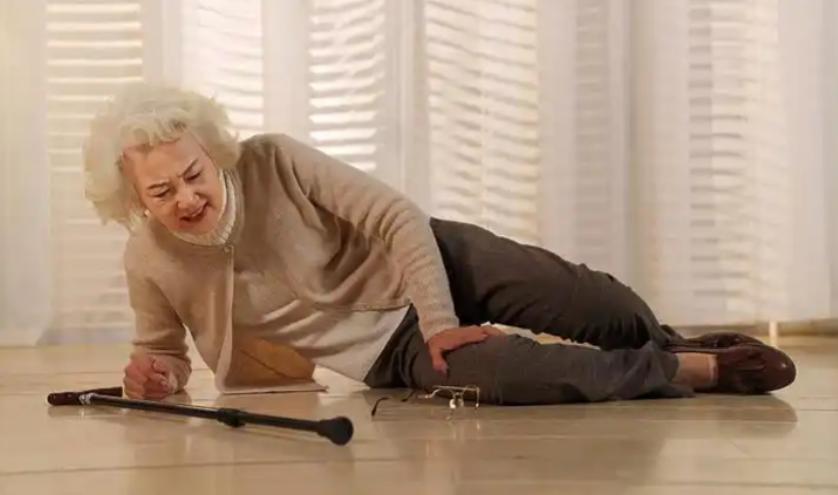
Research shows that consistently performing three sets of tiptoe exercises three days a week can reduce the risk of falls in middle-aged and older adults by 12.6%. This is because it improves joint flexibility and proprioception, allowing for smoother movements and a lower risk of ankle sprains even as one ages.
Improve varicose veins and prevent deep vein thrombosis
The common concerns for those who sit or stand for long periods are often varicose veins and hidden blood clots. The squeezing and relaxing motion during tiptoeing helps reduce blood pooling, lowering the risk of varicose veins and thrombosis. This is particularly popular among office workers and those with poor leg circulation.
Increased bone density, staying away from osteoporosis
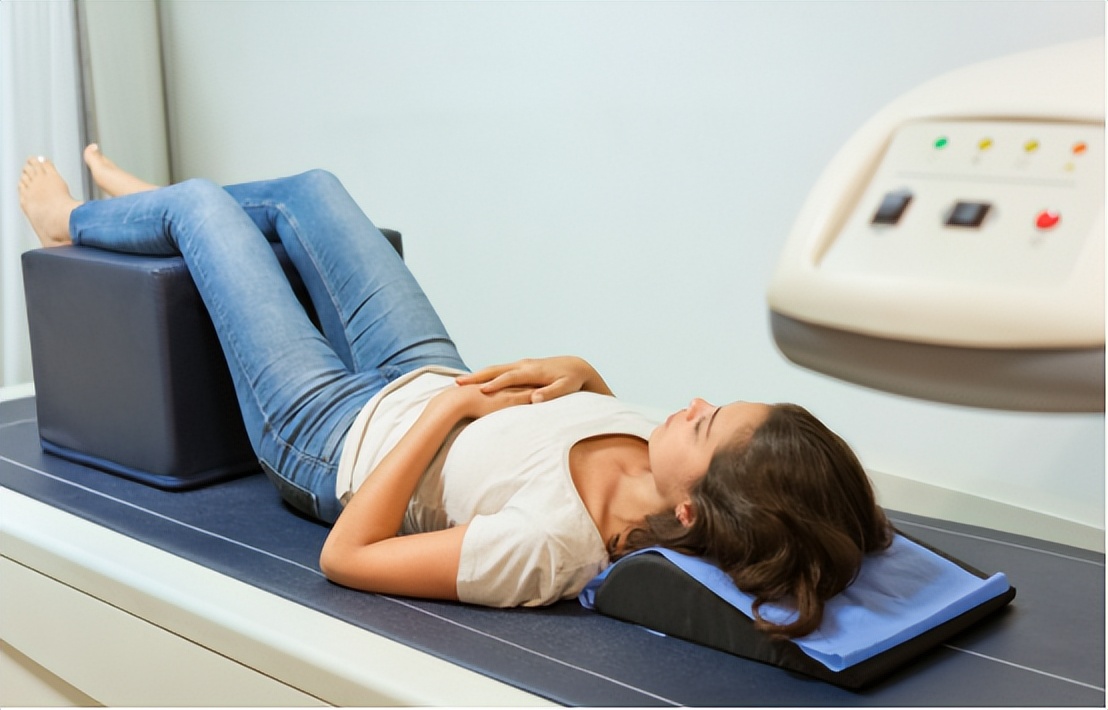
Many may not realize that the vibrational stimulation from tiptoeing acts like "charging" the bones. Exercise medicine experiments targeting individuals aged 50–70 have shown that after consistently practicing tiptoeing for three months, bone density increased by an average of 1.8%, with more pronounced effects in women. It’s a "little trick" for combating osteoporosis.
Promotes overall metabolism, aids in blood sugar control
Tiptoeing can accelerate overall metabolism, with basal metabolic rate increasing by an average of 3-4%, making it particularly beneficial for individuals with stable blood sugar levels. Some individuals with type 2 diabetes have reported more stable fasting blood sugar and improved blood sugar control after consistently practicing tiptoeing for two months.
Regulating the nervous system, alleviating anxiety, and optimizing sleep
It is little known that tiptoeing can also stimulate the autonomic nervous system, helping to increase the duration of deep sleep (with data showing an improvement of approximately 20%). For middle-aged and elderly individuals prone to anxiety and difficulty falling asleep, this "passive relaxation" improvement is one of the secrets to longevity and well-being.
Scientific and safe: How to maximize the benefits of tiptoeing
While there are many benefits, the method should not be arbitrary. To maximize the gains from tiptoeing, key tips cannot be overlooked:
Choose the right time—one hour after a meal is best. It is not recommended to do it on an empty stomach or when overly full. The optimal time is one hour after eating or during a walk or rest.
Prioritize safety by practicing while holding onto a wall or chair. Especially for those with poor physical balance, it is essential to "lean on something" to prevent slipping and sprains.
Focus on proper form, emphasizing slow and steady movements. Each time you rise onto your tiptoes, hold for 3–5 seconds before slowly lowering. It is recommended to practice 2–3 sets daily, with 15–20 repetitions per set. There is no need to do it for too long at once; gradual progression ensures safety.
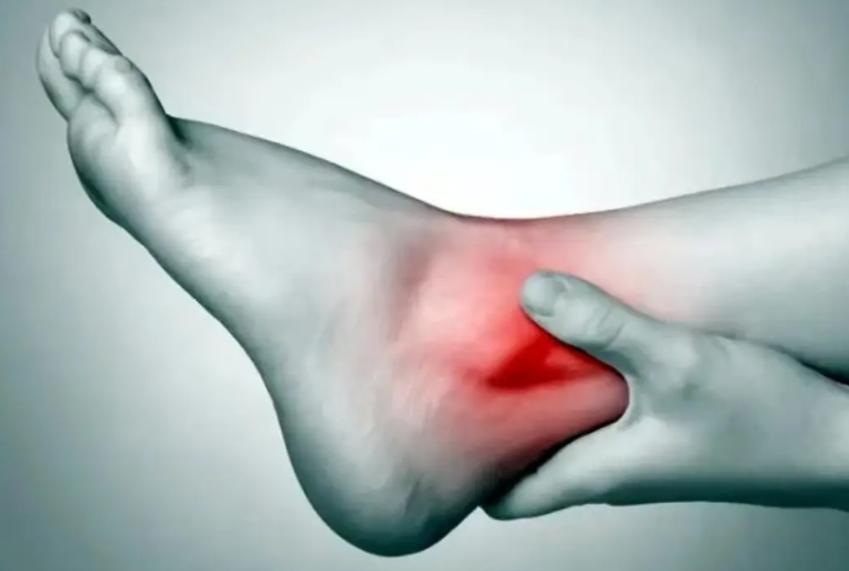
Stop promptly if you feel any discomfort. If you experience ankle pain or have pre-existing knee joint conditions, it is advisable to pause and consult a doctor for guidance.
Combine with stretching to soothe the calves. After tiptoeing, gently stretch the calves and feet to help relieve stiffness and reduce cramps.
Be consistent and allow gradual changes to accumulate. Most positive changes typically become noticeable after 2–3 months. It may be difficult to persist at first, so consider partnering with a friend to encourage each other.