Doctor survey finds that if stroke patients walk daily, within a year, there may be 5 changes
In recent days, Uncle Zhang, who lives in Baoshan, Shanghai, has been pushing his cart and strolling slowly along the ginkgo-lined path in his neighborhood every evening. As a stroke survivor from last year, he once struggled with a clumsy left hand and slurred speech. Initially, his children worried that "walking might cause an accident" and urged him to stay quietly at home.
But after six months, Uncle Zhang not only looks rosy-cheeked but has also regained much dexterity in his hands and feet. Even his old neighbors couldn’t help but ask, "Did you undergo some miraculous rehabilitation?" In fact, the answer is far less mysterious—it’s simply daily, consistent walking. However, many people wonder: Is such persistent exercise after a stroke really safe? What exactly are the benefits for the body? Could the risks be higher?
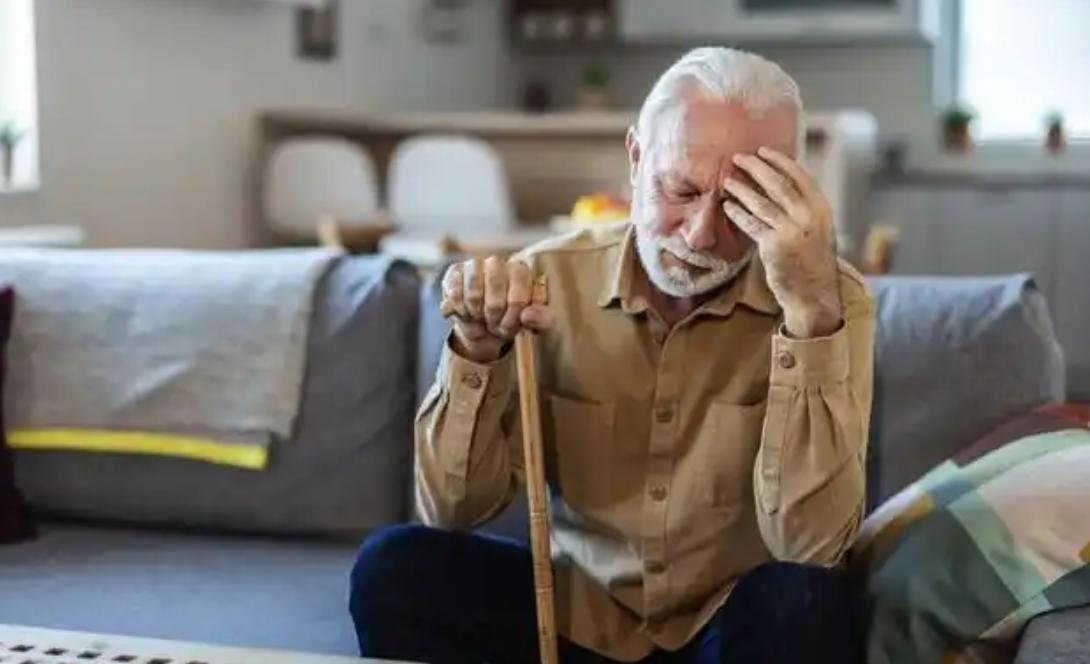
Many family members even worry: Could walking trigger another vascular blockage? Is there scientific evidence? Authoritative surveys show that we should not underestimate the simple habit of "slow walking."
Data indicates that within one year of consistent walking, stroke patients experience five key physical changes, with the third change being particularly unexpected—perhaps altering the rehabilitation outcomes for countless individuals. So, what exactly are these five changes? And what kind of walking is most suitable? Let’s uncover the truth step by step.
Is walking actually beneficial for stroke recovery?
Many people restrict the activity time of stroke patients due to concerns about "accidents," but this approach may not be correct. According to a recent follow-up survey by authoritative doctors, over 60% of stroke patients choose to engage in mild, regular daily walking, and their recovery indicators far surpass those of the control group, which primarily relies on "rest."
The scientific basis is also clear: appropriate physical activity can enhance lower limb muscle strength, stabilize blood pressure, promote blood circulation, significantly reduce the risk of thrombus recurrence, and help prevent muscle atrophy and joint stiffness. The Mayo Clinic in the United States has previously highlighted in clinical guidance that stroke patients who accumulate at least 150 minutes of aerobic walking per week experience a 12.6% reduction in the incidence of recurrent stroke within one year after discharge.

The Chinese Stroke Society has also repeatedly emphasized that engaging in low-intensity aerobic exercise tailored to individual physical conditions under medical guidance is one of the "gold standard" methods for post-stroke rehabilitation. Walking is precisely the easiest and most accessible form of rehabilitation exercise.
If stroke patients persist in walking daily, within a year, there may be 5 key changes
Improved limb flexibility and mobility: Most early-stage stroke patients experience lower limb weakness, and consistent walking can effectively activate damaged neural circuits. Studies show that among 98 stroke survivors, over 70% showed improvements in gait scores and reduced fall risks within 6–12 months. Many family members have observed that elderly patients "move more nimbly and no longer need assistance even when using the toilet."
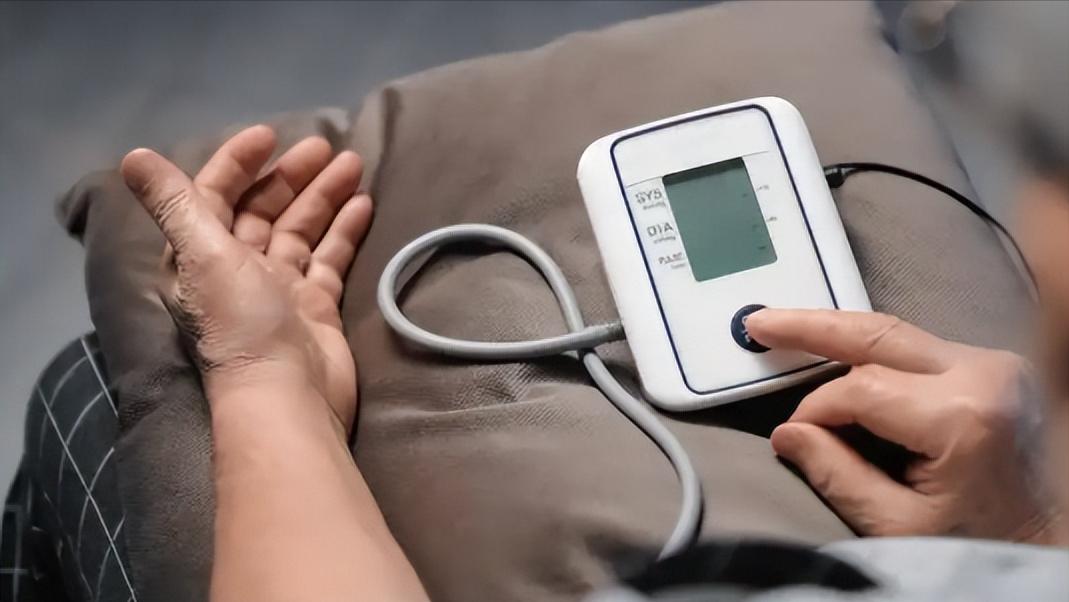
Blood pressure and lipid control become more stable. Walking is a form of aerobic exercise that has a positive effect on lowering systolic blood pressure and regulating lipid levels. According to follow-up data from Peking Union Medical College Hospital, among those who adhere to the "combination of fast and slow walking for 30 minutes each time," 60% experience stable blood pressure, 40% show a decrease in LDL cholesterol, and there is a significant effect in preventing secondary strokes and myocardial infarctions.
。
Mental state significantly improves, with much less anxiety and depression, which is the most easily overlooked yet extremely crucial change. Authoritative reports indicate that the incidence of depression among post-stroke patients is as high as 40%.
Regular walking can increase the secretion of dopamine and endorphins in the brain, boosting positive emotions. Some patients have admitted, "Taking a walk downstairs every day makes me feel much more cheerful!" Psychological recovery is directly linked to physical condition, improving willpower and greatly enhancing overall quality of life.

Body weight and insulin levels tend to stabilize, and metabolic indicators improve. Experts point out that moderate exercise can enhance the body's sensitivity to insulin and reduce fat accumulation.
A study of 459 stroke patients showed that after one year of consistent walking, each participant lost an average of 3 kg, HbA1c decreased by 0.6%, and the incidence of new type 2 diabetes was reduced by 16%. Weight loss and stable blood sugar control are particularly crucial for preventing the risk of recurrent stroke.
The likelihood of developing secondary diseases significantly decreases. Prolonged bed rest is a "hidden killer" for stroke patients, as it easily leads to severe complications such as pneumonia and deep vein thrombosis.
However, consistent walking effectively stimulates the respiratory system, improves lung function, and promotes blood circulation. Clinical statistics show that after one year, the incidence of lung infections in the active group was 38% lower than in the rest group, and lower limb venous thrombosis decreased by 57%.

How to walk correctly? Follow these three doctor-recommended tips for the best results.
Gradually increase the duration, starting from a minimum of 10 minutes and progressively extending to 30 minutes per day. Maintain a moderate stride and a pace slow enough to allow normal conversation (i.e., "able to talk but not sing"), avoiding brisk walking and overexertion.
Choose flat and safe surfaces, avoiding steep slopes, stairs, or slippery ground. It is best to be accompanied by family members to ensure prompt handling of emergencies. Wear anti-slip, comfortable shoes to reduce the risk of falls and sprains.

Then regularly monitor blood pressure, heart rate, and physical sensations. If dizziness, chest tightness, fatigue, or shortness of breath occur before or after walking, stop immediately. Carry emergency medication when necessary, follow up with timely check-ups, adhere to your doctor's personalized advice, and avoid overexertion.