What is the probability of developing cancer in a lifetime? Doctors claim that gray hair reduces cancer risk? What do you think?
The sunlight outside the window spilled onto the table. Aunt Liu gently stroked the white hair on her forehead, her expression a mix of helplessness and a hint of pride. At 65, whenever she chatted with her neighbors, she was often asked a question that left her both amused and exasperated: "Your hair is so white, yet you're so healthy. Is it true what they say—that people with white hair are less likely to get cancer?"
In fact, similar claims have recently appeared repeatedly in community WeChat groups. Some even cite so-called "Harvard research," asserting that people with white hair are unlikely to develop cancer. For a time, white hair seemed to have become some kind of protective talisman.
But whenever she sees news about cancer, she can't help but wonder: Does having white hair really keep cancer away? Or is there actually no connection between health and hair color? Today, let's discuss the probability of developing cancer in a lifetime and whether white hair truly signifies an "anti-cancer constitution."
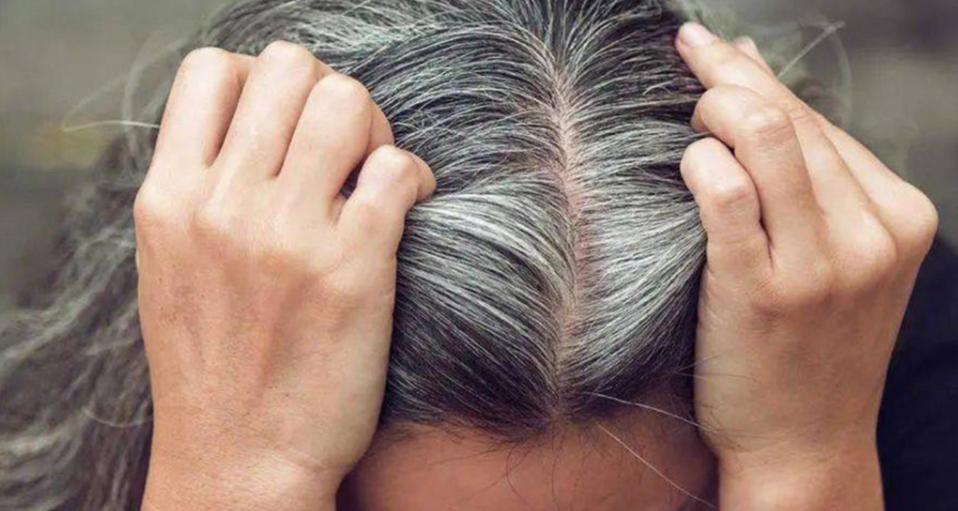
Is gray hair a sign of health or disease? Experts reveal the truth
Why does hair turn white? Many middle-aged and elderly people notice that after the age of fifty, white hair seems to suddenly cover their temples. In reality, the appearance of white hair is mainly related to factors such as genetics, aging, and mental stress. As age increases, the activity of melanocytes in the hair follicles gradually weakens, reducing their ability to produce melanin, which causes the hair to slowly turn white.
Of course, gray hair may also be related to deficiencies in nutrients such as protein, copper, and iron. For example, protein is the primary raw material for hair, and a lack of B vitamins can also affect melanin synthesis. Additionally, long-term excessive stress, sleep disturbances, and an unbalanced diet can all contribute to a gradual increase in gray hair.
However, the claim that "gray hair fights cancer" is not valid. This viewpoint originated from a 2009 "mouse experiment at Harvard University," where the research team found that after melanocyte stem cells were depleted, black hair turned gray. Some interpretations suggested that the depletion of melanocytes reduced the chance of cell mutation, making people with gray hair more "cancer-resistant."
But the reality is that the study did not directly prove that gray hair reduces cancer risk; it merely speculated on the correlation of cellular mechanisms. Clinical data show that the probability of cancer in the elderly is significantly higher than in younger individuals, and the elderly population happens to be the group with the most gray hair. This is enough to demonstrate the absurdity of the current misinterpretation of information.
What is the actual probability of developing cancer in a lifetime? Beware of these misconceptions
Cancer, this daunting topic, is actually not far from us. According to data released by the National Cancer Center of China, the cumulative probability of developing cancer in a Chinese person's lifetime is close to 37%, meaning that one in every three people may be affected by cancer at some stage in their lives.
。
The World Health Organization's report also indicates that as life expectancy increases, age is the strongest independent risk factor for cancer, and malignant tumors have become one of the leading causes of death among Chinese residents.
It is worth noting that there is no correlation between graying hair and the probability of developing cancer. Biomedical research has clearly established that the occurrence of cancer is driven by multiple factors, including chronic internal and external stimuli, genetic defects, and deterioration of immune function. Hair color merely reflects the condition of melanocytes and has no direct link to the mechanisms of tumorigenesis. The widespread claim online that "gray hair reduces the risk of cancer" is a misinterpretation and lacks support from large-scale clinical studies.

Some people wonder, "Many elderly individuals with gray hair around me do live long lives and have not developed cancer." However, from a probabilistic perspective, this is an example of "survivorship bias" in individual samples.
In reality, the risk of cancer is closely related to lifestyle factors. Smoking, excessive alcohol consumption, high-fat diets, prolonged sedentary behavior, and irregular sleep patterns significantly increase the likelihood of developing malignant tumors. Moreover, data show that with the aging of the population, the prevalence of malignant tumors among the elderly is rising year by year.
Cancer prevention and health protection begin with adopting a scientific lifestyle.
Many middle-aged and elderly friends become anxious when they see their hair gradually turning gray, and some even blindly believe in the notion that "gray hair fights cancer." In reality, the most important ways to prevent cancer are to nourish the body, maintain a scientific routine, and adopt healthy behaviors.
Maintain a regular diet and balanced nutrition. Ensure adequate intake of high-quality protein, such as eggs, milk, and soy products, and supplement with trace elements like copper, iron, and zinc, which help maintain hair and overall health. However, it is important to remember that this is not a "magic bullet" against cancer, nor does it guarantee a "lifetime free from cancer."
Stay away from high-risk lifestyles. Smoking and excessive alcohol consumption are direct triggers for various malignant tumors, such as lung cancer, liver cancer, and stomach cancer. It is recommended to quit smoking as early as possible, control alcohol intake, avoid high-calorie and high-fat diets, as well as overly salty and preserved foods. Consuming more fresh fruits, vegetables, and high-quality carbohydrates can help reduce the burden on the digestive system.

Engage in appropriate exercise. Authoritative studies have shown that individuals who consistently engage in moderate-intensity aerobic exercise 3-5 times per week, accumulating over 150 minutes, can reduce their cancer risk by 12%-20%. Additionally, exercise helps slow down aging and improve common issues such as gray hair and hair loss.
Maintaining regular routines and managing emotions. Chronic sleep deprivation and high stress levels not only lead to premature graying of hair but also weaken the immune system, creating opportunities for cancer cells. It is recommended to ensure adequate sleep, communicate openly when facing challenges, and learn to release stress.
Regular health check-ups and early screening for timely treatment. It is recommended that individuals aged 50 and above undergo cancer screening every 1-2 years, with a focus on high-incidence cancer sites such as the gastrointestinal tract (via endoscopy), breasts, liver, and lungs. Early detection and intervention significantly improve the chances of cure.