Onions Are Back in the Spotlight! Doctors Remind: When Eating Onions, Be Sure to Pay Attention to These 4 Points!
In the kitchen, 58-year-old Uncle Zhang was preparing dinner. For years, he had been particularly attentive to health preservation, almost always chopping up more than half an onion for every meal, mixing it with tomatoes and cucumbers for a cold salad or stir-frying it quickly with beef. He always believed that onions were a "miracle vegetable," capable of preventing cancer, lowering blood lipids, and protecting blood vessels, with a long list of benefits, and he thought there was no need to worry about eating too much or too little.
However, during last month's routine check-up, the doctor frowned and offered an unexpected reminder: "Although onions are good, they are not suitable for everyone to eat in large quantities every day without conditions. There are four points in particular that you must pay extra attention to!"
This advice left Uncle Zhang momentarily puzzled, and perhaps many people share the same question: Could onions, long hailed as the "queen of vegetables," really pose hidden risks? Today, we will uncover this overlooked health blind spot.
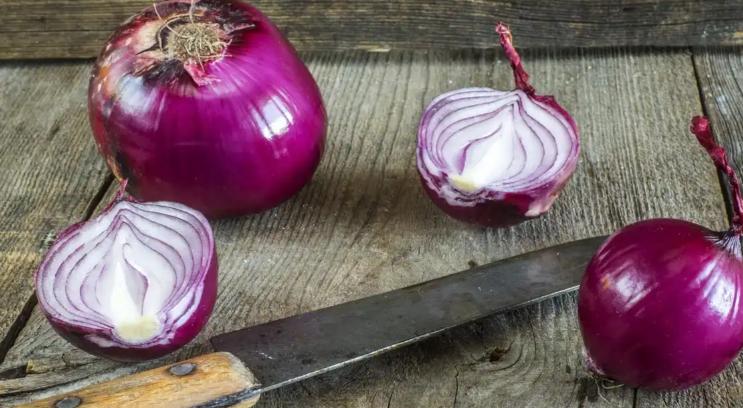
Onions, widely recognized as a healthy food—are they truly "free of all taboos"?
With its rich dietary fiber, vitamin C, flavonoids, and sulfur compounds, onions have long been a staple on dining tables worldwide. There is no shortage of research findings highlighting the benefits of onions for cardiovascular health, blood lipids, blood sugar, and other indicators.
For example, data disclosed by the Chinese Nutrition Society in 2023 revealed that middle-aged and elderly individuals who regularly consumed onions experienced an average reduction of approximately 17.3% in their low-density lipoprotein (bad cholesterol) levels over six months. Furthermore, components such as quercetin and prostaglandin A found in onions can indeed help dilate blood vessels and provide antioxidant effects to a certain extent, leading some users to consider them an important component of a "natural anti-cancer diet."
However, amidst this public perception of onions as a "cure-all," experts have repeatedly issued warnings that onions should not be consumed indiscriminately. Improper combinations, excessive intake, or consumption by individuals with specific physical conditions may instead lead to a series of health risks. The following four points, in particular, are most easily overlooked yet determine whether the benefits of eating onions outweigh the risks.

Persistently Eating Onions May Lead to These 4 Risks or Changes in the Body
Drug Interactions: "Heart Protection" Can Turn into "Trouble" The abundant quercetin in onions is indeed a high-quality antioxidant. However, a recent study published in the *Journal of Food and Drug Interactions* points out that high doses of quercetin entering the body can affect the liver's metabolism rate of certain drugs.
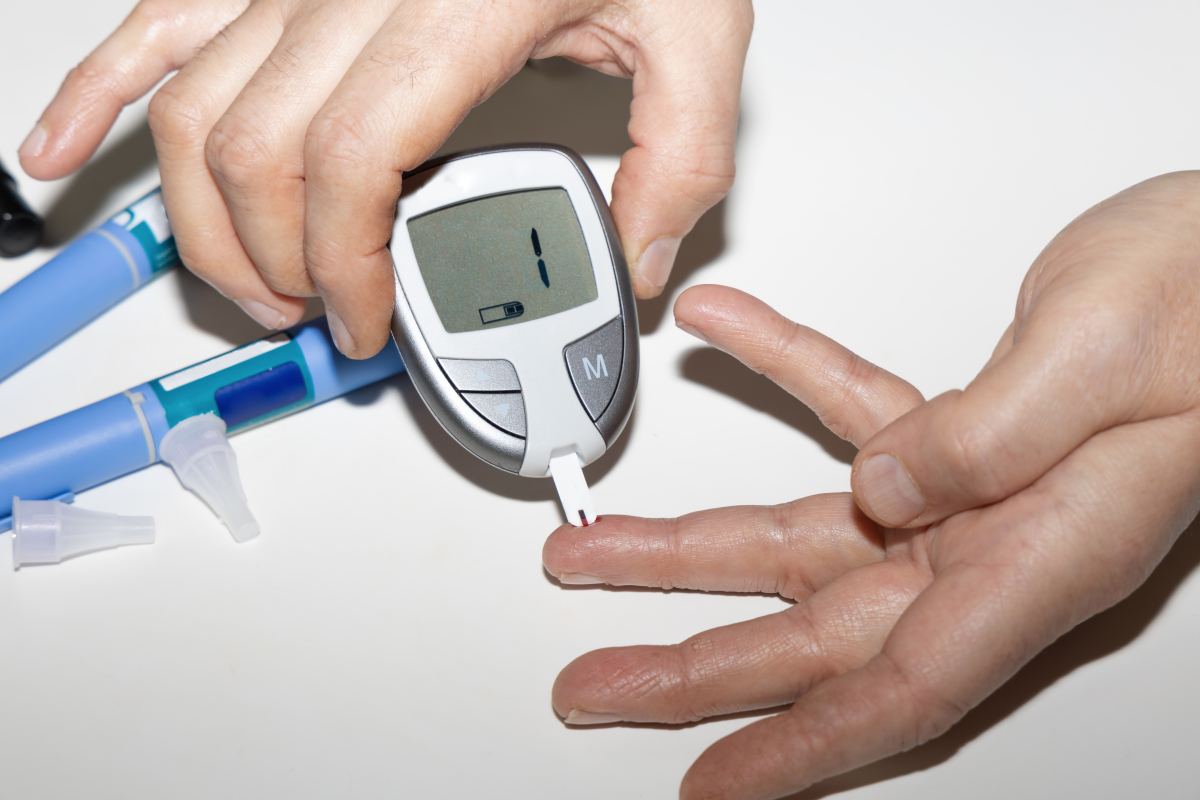
For instance, individuals taking medications for hypertension, blood sugar control, or anticoagulation may experience amplified or diminished drug effects after consuming large amounts of onions, potentially leading to hypotension, bleeding tendencies, or even severe hypoglycemia. Moreover, middle-aged and elderly individuals, whose liver detoxification capacity is already more susceptible to strain, need to exercise extra caution.
Eating too much raw onion can harm the stomach—"antibacterial" or "stomach-damaging"? Many people believe that onions can "kill bacteria and fight Helicobacter pylori," and some even treat raw onions as a "stomach-protecting medicine" for those with recurring stomach or intestinal issues.
However, a large-scale outpatient analysis from the Gastroenterology Department of the First Affiliated Hospital of Chongqing Medical University shows that long-term consumption of raw onions can damage the gastric mucosa, disrupt the gut microbiota, and easily lead to acid reflux, heartburn, and even recurrent gastritis. The antibacterial effect of onions is relatively "harsh," eliminating both beneficial and harmful bacteria, which can actually worsen gastrointestinal problems. Doctors remind us that no matter how beneficial onions may be, they should not be used as antibiotics.

Individual allergic reactions and cross-allergies should not be taken lightly. Onions are actually a "potential contender" among vegetable allergies. According to the 2023 vegetable allergy case statistics from Peking Union Medical College Hospital, onions rank seventh. Particularly for individuals already allergic to pollen, willow catkins, and similar allergens, onions contain LTP defense proteins, which can easily lead to cross-allergies. Clinical manifestations include numbness of the lips, tingling of the tongue, and in severe cases, anaphylactic shock.
A man with no history of onion allergy, but who had spring pollen allergies, experienced swelling around the mouth and difficulty breathing after eating a plate of stir-fried beef with onions at a gathering. Doctors remind those with sensitive constitutions to try a small amount of onions for the first time before consuming more, and to stop immediately if any discomfort occurs.
Affecting thyroid function, an endocrine challenge often overlooked. A diet-endocrine cohort study by Tianjin Medical University involving 1,376 middle-aged and elderly individuals found that those with higher onion intake showed more significant fluctuations in TSH (thyroid-stimulating hormone) levels. Sulfur-containing components in onions, such as sulfinates and diallyl disulfide, may place an additional burden on thyroid health, especially when iodine intake is insufficient.
Long-term fluctuations in thyroid function can lead to issues such as palpitations, mood swings, sleep disturbances, and abnormal weight changes. Particularly for patients with hypothyroidism or hyperthyroidism, daily onion intake should be limited to avoid letting a "healthy food" become a burden on the body.

Doctors recommend the following four points to help minimize risks when consuming onions.
Patients with underlying medical conditions, especially those on long-term medication, must consult their doctor before planning their daily onion intake. This is particularly important for individuals taking antihypertensive, hypoglycemic, or anticoagulant medications, as large doses should be avoided when taken together with these drugs.
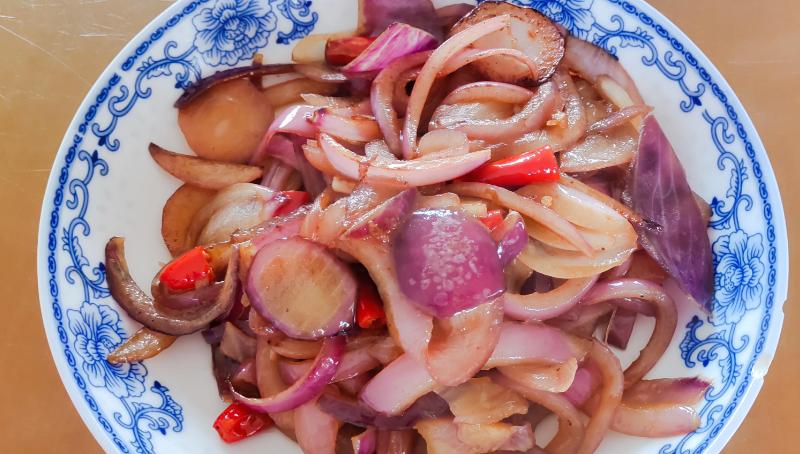
Individuals with weak gastrointestinal function, digestive issues, and children should avoid eating raw onions. It is recommended to consume onions after stir-frying, cooking, or boiling, as this reduces irritation and aids nutrient absorption. If concerned about antibacterial issues, seeking proper medical intervention is more reliable.
People with a history of pollen or vegetable allergies, especially during seasonal changes in spring and summer, should try a small amount before consuming onions. If symptoms such as lip numbness, throat itching, or rashes occur, stop consumption immediately and seek medical attention promptly.
When storing and selecting onions, be sure to avoid those that are sprouting, blackened, softened, or rotten. According to data from the College of Food Science at China Agricultural University, mold levels on sprouted onions can be up to 3.8 times higher than normal, and mold byproducts may burden the liver or digestive system. Do not stock up on onions for too long just to save money; try to consume them within a week after purchase and store them away from damp, dark environments.