Doctors frankly state: Early liver disease is not abdominal pain, but frequent occurrence of these 6 major abnormalities, be vigilant
In the bustling morning market, Aunt Wang was as busy as ever. She had been feeling something was off lately: her hands and feet were prone to swelling, she often had no appetite, and she frequently felt sleepy throughout the day. Her family, however, dismissed it as "normal signs of aging."
A routine company physical exam unexpectedly revealed her liver function indicators were alarmingly high. This came as a complete surprise to Aunt Wang—she didn't feel any "pain" in her body, so how could her liver be showing problems? She couldn't even recall ever experiencing real pain in the liver area.
。
In fact, what truly concerns doctors is not sharp pain in the liver area, but those subtle, hidden abnormalities. Many people assume that liver problems must always cause "pain," but medical science has long confirmed that the liver lacks pain-sensing nerves, and most early-stage liver diseases are almost imperceptible in terms of pain.

This is precisely why the liver is often called the "silent organ." Many middle-aged and elderly individuals only realize the severity of their condition when it has progressed significantly, having overlooked these "silent alarms."
So, what signals does early-stage liver disease actually send? Why is it that despite no abdominal pain, there could be major hidden risks? Doctors frankly advise: "Be vigilant for these six abnormalities—they are often more reliable indicators than waiting for abdominal pain!"
You might think liver problems would be obvious, but in fact, the opposite is true. Many abnormalities are "hidden in the details," especially the fourth one, which many people mistake for fatigue. The following content might just be the overlooked health puzzle right around you.
Why Doesn’t Early Liver Disease Cause Pain? The Scientific Truth Behind It
Most people consider abdominal pain as the "standard" for judging liver health, but this is actually a major misconception. The liver itself lacks pain-sensing nerves. Only when the liver swells and presses against its capsule or other organs will there be dull or even severe pain, but this often indicates the middle or late stages of the disease.

Because of this, over 90% of early-stage liver disease patients experience almost no noticeable abdominal pain, making it easy for people to overlook.
Not only that, but as the body's "chemical factory," the liver undertakes multiple critical tasks such as complex metabolism, detoxification, and protein synthesis. When liver cells are slightly damaged, the body issues "warnings" in more subtle ways.
According to a multicenter epidemiological survey published in the *Chinese Journal of Hepatology*, the early detection rate of chronic liver disease among Chinese adults is less than 30%, primarily due to the subtle and easily misinterpreted symptoms. This is precisely why doctors repeatedly emphasize that "the six major abnormalities should not be ignored."
Frequent occurrence of these 6 major abnormalities requires extra caution
The signals of early liver issues are far more subtle than abdominal pain. The following six abnormalities are the most critical "silent alarms" to watch out for!
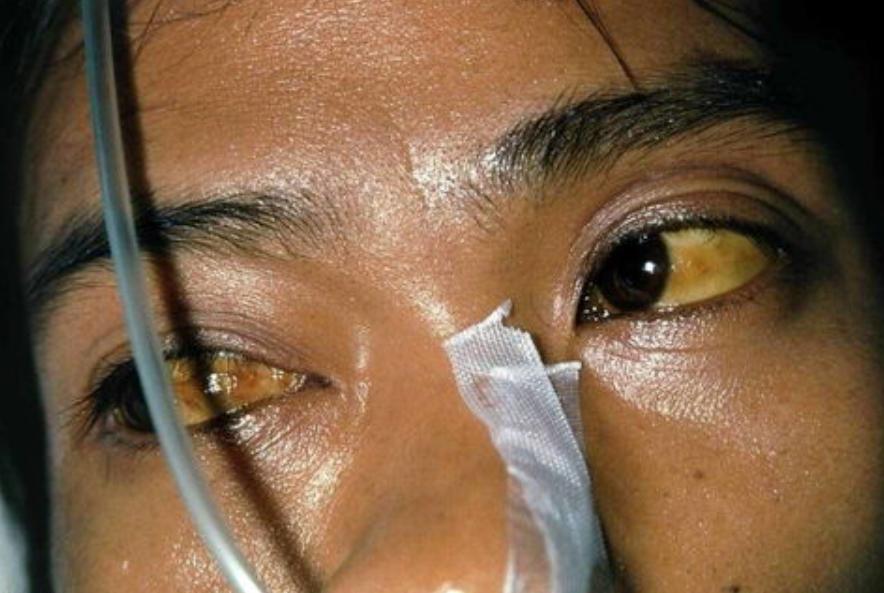
Abnormality One: Yellowing of the Skin or Sclera
Many patients unintentionally notice their skin turning yellow or a slight yellowing of the whites of their eyes, which is often a sign of impaired liver detoxification function and elevated bilirubin levels. Data released by the Chinese Medical Association in 2022 shows that nearly 70% of early-stage hepatitis patients experience mild yellowing, but it is painless and non-itchy, making it easy to be mistaken for symptoms of "excessive internal heat" or fatigue.
Abnormality Two: Unexplained general fatigue and easy tiredness
The liver is involved in energy metabolism. When its function declines, it is easy to feel "exhausted even without doing much," and even simple household chores can feel overwhelming. Medical research shows that over 65% of patients in the early stages of chronic hepatitis experience varying degrees of fatigue and decreased energy.

Abnormality Three: Loss of Appetite and Nausea
Liver damage can affect the secretion of digestive fluids, leading to impaired digestion and absorption. Symptoms such as poor appetite, bloating after meals, nausea, and even vomiting may occur. Sometimes mistaken for "minor gastrointestinal issues," these signs actually indicate a gradual decline in liver function. In outpatient follow-up samples, 42% of early-stage liver disease patients reported symptoms such as indigestion and loss of appetite.
Abnormality Four: Red Palms (Palmar Erythema) and Spider Angiomas
Impaired liver function affects estrogen metabolism, causing symmetrical redness on the skin of the thenar and hypothenar eminences in some individuals, known as "liver palms"; simultaneously, spider-like "red moles" may appear. Spider angiomas and liver palms are subclinical manifestations, occurring as the initial symptom in about 16% of chronic hepatitis cases, often mistaken for skin allergies or cosmetic irritation.
Abnormality Five: Easy Bleeding or Bruising
The liver synthesizes clotting factors, and when its function declines, bleeding or bruising is prone to occur in areas such as nail beds, nasal cavities, and gums. Studies indicate that up to 24% of chronic hepatitis patients experience subcutaneous bleeding, which is often an early sign overlooked by patients.

Abnormality Six: Lower Limb Edema or Frequent Nighttime Leg Cramps
Liver disease affects protein metabolism in the body, leading to decreased plasma protein levels and increased fluid leakage into the interstitial spaces. This manifests as unexplained swelling in the feet and ankles, along with frequent nighttime cramps. Data shows that approximately 10%–15% of individuals with early-stage liver dysfunction experience mild edema and muscle spasms.
You may notice that these abnormalities have no direct connection to "abdominal pain in the liver area," yet they gradually reveal warning signs of liver health. Especially when multiple symptoms overlap or persist, it is far more than just "feeling tired."
How to respond to the liver's "silent" alarms? Here are doctors' recommendations.
When these signals appear, waiting for them to resolve on their own is not the solution. Adopting a scientifically sound lifestyle is key to protecting liver health. Doctors specifically recommend:
Regular physical examinations, with particular attention to liver function and viral indicators such as hepatitis B and C. Data shows that through reasonable physical examinations, the detection rate of early liver disease can be increased by more than 60%, avoiding delays that lead to irreversible damage.
Develop good daily routines and ensure quality sleep. The period from 11 PM to 3 AM is the peak time for liver repair. Staying up late significantly increases the burden on the liver. It is recommended to get 7-8 hours of sleep each night.

Maintain a balanced diet with low oil and salt intake, and avoid alcohol. High-sugar, high-fat diets and excessive alcohol consumption are high-risk factors for liver damage. Increasing the intake of fresh fruits and vegetables rich in protein and vitamins can significantly slow disease progression.
Use medications rationally and proactively inform your doctor of your medication history. Some cold medicines and health supplements have potential liver-damaging effects and should never be taken long-term without medical supervision. Always consult a professional doctor when using medications to avoid drug-induced liver injury.
Manage underlying conditions such as high blood sugar and high blood lipids. Relevant data show that liver disease patients with coexisting metabolic syndrome experience a 20%-30% faster rate of disease progression. Therefore, actively managing the "three highs" (high blood pressure, high blood sugar, high blood lipids) and minimizing weight fluctuations are fundamental to controlling risks.
Engage in moderate exercise and control body weight. Performing moderate-intensity aerobic exercise (such as brisk walking or swimming) 3-5 times per week for 30-40 minutes each session helps maintain good metabolism and enhances the liver's ability to resist damage.