Study Finds: If Elderly People Frequently Eat Lamb, These 4 Physical Improvements May Occur Soon
"Old Zhang, how come you've been looking so well lately? I haven't heard you complain of being tired at all during our walk." At the community morning exercise square, 62-year-old Grandpa Zhang has recently become a role model among his neighbors. Who would have thought that just last winter, he used to suffer from chronically cold hands and feet and would feel weak all over whenever the weather changed.
Grandpa Zhang grinned: "Actually, it's nothing special. It's just that my daughter-in-law has been nourishing me, making lamb stews in different ways, two or three times a week. Honestly, the more I eat, the more energy I seem to have!" Although Grandpa Zhang used to have reservations about lamb, thinking it was "too heating and greasy," this change has brought him an unprecedented physical experience.
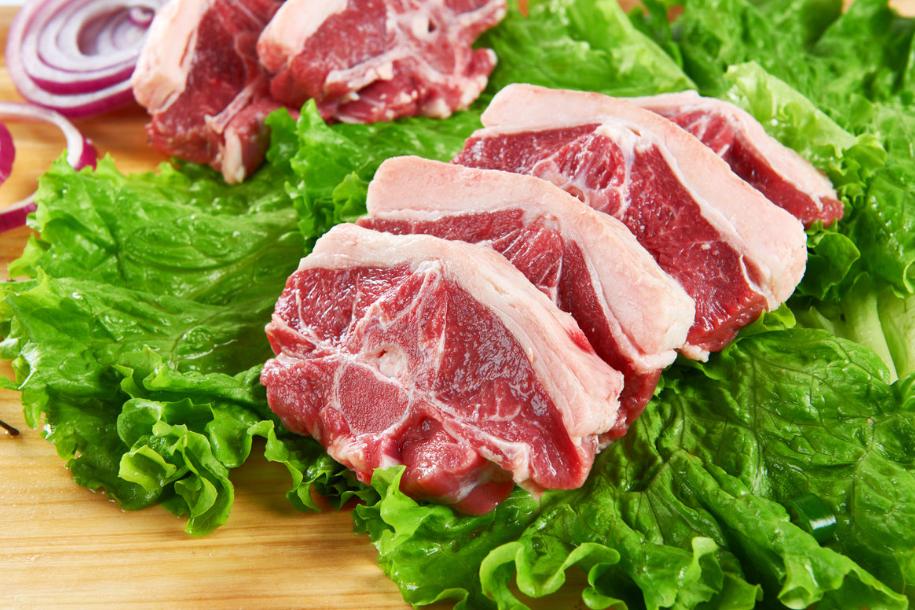
But many people actually wonder: Lamb is high in fat—doesn't it raise blood lipids? Can older adults really eat it regularly?
In fact, recent authoritative research is quietly overturning our traditional perceptions: Consuming lamb scientifically is not as "too heating" or "hard to digest" as many worry. Instead, it warms and nourishes the body, offering many benefits. Especially the third point—many middle-aged and elderly friends tend to overlook it.
What improvements can the elderly experience by consistently eating lamb? Is it truly suitable for middle-aged and older adults? Today, we will explore this topic with authoritative data and detailed practical advice.
Is Lamb Actually Suitable for the Elderly? A Scientific Interpretation by Experts
”
When it comes to lamb, many elderly friends first think: "It's too nourishing, too greasy, and can easily cause internal heat." However, combining modern nutrition with traditional Chinese medicine perspectives, research has found that "moderate consumption of lamb provides unexpected benefits for improving physical constitution and boosting immunity in the elderly."
According to data from the "Chinese Food Composition Table (Sixth Edition)," every 100 grams of lamb contains 19.3 grams of high-quality protein, only 7.8 grams of fat, and is rich in 2.3 mg of iron, 4.1 mg of zinc, and 2.6 μg of vitamin B12. These key nutrients are beneficial for maintaining blood and energy, immunity, gastrointestinal health, and bone and joint function in middle-aged and older adults.
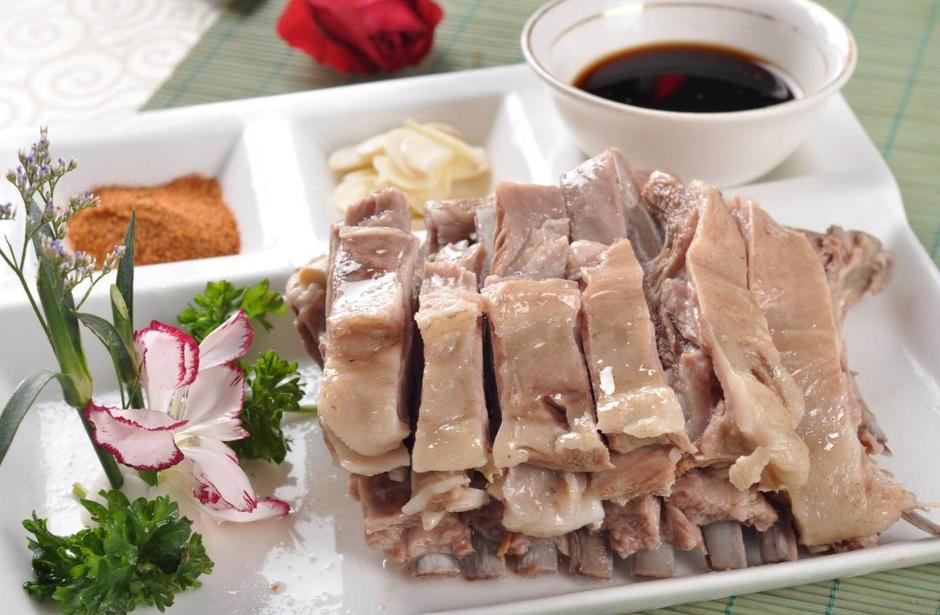
More direct scientific evidence comes from the "Journal of Nutrition": elderly participants who consumed lamb for four consecutive weeks showed an average increase of 6.8% in hemoglobin levels, a 14.3% enhancement in immune T-cell activity, and a more than 15% improvement in mental state scores. Compared to the non-consumption group, the advantages were significant.
Thus, the "nourishing" effects of lamb are far more reliable than imagined.
Persist in Eating Lamb, 4 Major Positive Physical Improvements
Sufficient Qi and Blood, More Rosy Complexion
Many elderly individuals often experience pale complexion, low energy, and reluctance to speak due to spleen deficiency, blood deficiency, and insufficient Qi and blood. Lamb is rich in heme iron, vitamin B12, and folic acid, making it an ideal food for synthesizing red blood cells and preventing anemia.
12%~18%
。
Adhering to a regimen of consuming lamb 2-3 times per week (approximately 100 grams per serving, preferably stewed) for one month has resulted in many individuals achieving a rosy complexion and abundant energy. Relevant data indicate that the incidence of anemia can be reduced by 12% to 18%.

Enhanced immunity, reducing the recurrence of colds
During the transition between winter and spring, recurrent colds and fatigue are common complaints among many elderly individuals. The high-quality protein and zinc in lamb are precisely the key to boosting immunity. Epidemiological studies indicate that older adults who consume sufficient protein and zinc exhibit 14.3% higher T-cell activity compared to their peers, with a significantly lower incidence of colds. Additionally, lamb helps warm and nourish yang energy, alleviating coldness in the limbs.
Improved gastrointestinal health and enhanced digestion and absorption capabilities
Many elderly individuals worry that lamb is difficult to digest, but with proper cooking methods and balanced pairings, it can actually strengthen the spleen and stomach while promoting digestion. Clinical data show that among elderly patients with cold stomachs and weak digestion, 21% experienced significant improvement in symptoms such as bloating, acid reflux, and stomach pain after consuming lamb soup twice a week. Pairing lamb with ingredients like Chinese yam, radish, codonopsis root, and ginger in soups further aids intestinal absorption, ensuring nutrients are effectively utilized by the body.

Promotes blood circulation, keeping joints flexible and reducing sensitivity to cold
"Old cold legs" and joint soreness are common in winter. Mutton has long been used for warming yang, dispelling cold, promoting blood circulation, and unblocking meridians. When combined with physical therapies such as hot compresses and moxibustion, many people experience an increase in hand and foot temperature by 0.5–1°C, along with improvements in joint stiffness, pain, and mobility, significantly reducing the risk of cold exposure and rheumatism.
How to Eat Mutton Healthily? Three Expert Recommendations
Choose Lean Cuts, Control Portions, and Progress Gradually
Opt for lean cuts such as lamb leg and tenderloin to reduce high-fat intake. Consume around 100 grams per serving, 2–3 times a week, ensuring adequate protein while avoiding greasiness.
Warm-tonifying combinations and healthy cooking methods are key
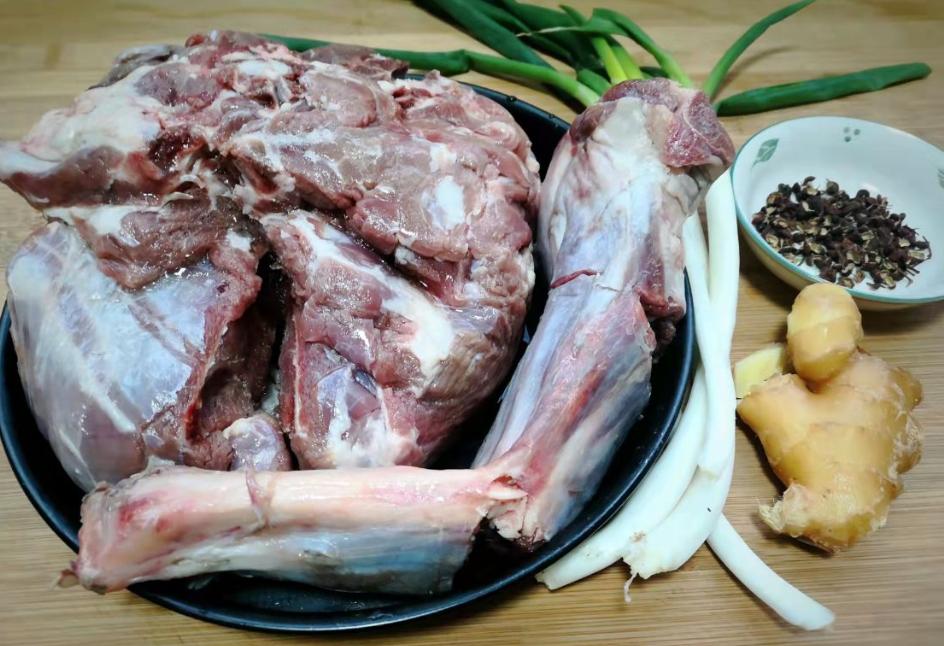
It is recommended to stew or simmer lamb with ingredients such as Chinese yam, angelica root, goji berries, and radish. Avoid frying, grilling, and excessive use of spicy seasonings like chili peppers. This approach not only prevents excessive internal heat but is also particularly suitable for middle-aged and elderly individuals with cold constitution and weak spleen and stomach.

Adjust intake based on individual circumstances
Friends with conditions such as gout, high uric acid, poor digestive function, or abnormal liver and kidney function should consult a professional doctor or nutritionist before consumption. If there are signs of "excess heat" in the body, such as bitter taste in the mouth, constipation, or a red tongue, it is also advisable to reduce lamb intake appropriately to avoid exacerbating internal heat.