Shanghai Jiao Tong University Discovery: People with malignant tumors in their bodies generally may exhibit 6 symptoms
At a community hospital in Shanghai, 68-year-old Grandpa Lu recently felt something indescribably off with his body: his appetite had noticeably decreased, his weight had quietly dropped, and he even lost interest in his favorite soy sauce fried rice. His wife, Lao Wang, often urged him to eat more, but he just couldn't swallow it.
。
Occasional night sweats during sleep, lack of energy in the morning, and feeling more breathless than before when climbing stairs. "Am I just getting old?" Mr. Lu once comforted himself with this thought. However, his daughter noticed his yellowish complexion and promptly accompanied him to a major hospital for a checkup. Unexpectedly, after a series of examinations, the doctor solemnly informed him that further investigation for malignant tumors was necessary.

Many people believe that malignant tumors (commonly known as "cancer") often develop silently, with noticeable symptoms only appearing in the late stages. However, a team of experts from the affiliated hospitals of Shanghai Jiao Tong University School of Medicine has found through years of research that tumors often send out various "subtle clues" through the body in their early stages.
These six types of manifestations, if detected and intervened early, could be the key to preventing tragedy! Have you ever overlooked these subtle signals from your body? Particularly the fourth manifestation, which is often most easily dismissed as a "minor ailment."
Shanghai Jiao Tong University Discovery: 6 Major Early Physical Manifestations of Malignant Tumors
Malignant tumors are a major global threat to human health. In 2022 alone, China recorded over 4.57 million new cases of malignant tumors, with more than 3 million deaths. Early diagnosis and treatment are the golden rules for improving survival rates.
:
Multiple affiliated hospitals of Shanghai Jiao Tong University, particularly hematology and oncology specialty centers, have tracked changes in physical signs among high-risk populations over ten consecutive years and summarized that if malignant tumors have already developed in the body, most individuals will exhibit the following six manifestations:

Sudden weight loss without intentional dieting
If weight loss exceeds 5% within six months, even without deliberate dietary control, heightened vigilance is warranted. This is because many tumors consume substantial energy, leading to disruptions in the body's nutritional metabolism. A clinical statistic led by the Oncology Department of Shanghai Ruijin Hospital indicates that approximately 66% of patients diagnosed with malignant tumors of the digestive system experienced significant weight loss 1-3 months prior to diagnosis.
Persistent low-grade fever or unexplained fever
37.3-38℃
Abnormal cellular metabolism from tumors releases inflammatory factors or triggers persistent low-grade fever (typically between 37.3-38°C). If no infectious cause is identified after more than two weeks, especially when accompanied by weight loss or fatigue, it should not be taken lightly.
Significantly increased fatigue and lethargy
慢性疲劳综合征(Chronic Fatigue Syndrome, CFS)
Cancer cells consume nutrients, and substances released by various tumors can lead to chronic fatigue syndrome (CFS). Patients often describe it as "feeling unrefreshed no matter how much sleep they get," which is not simply due to aging. Relevant data indicate that 77% of patients diagnosed with malignant tumors experience a sense of exhaustion even in the early stages of the disease.

Decreased appetite or difficulty swallowing
Gastrointestinal malignancies or head and neck tumors are particularly noticeable. Decreased appetite, a feeling of "blockage" while eating, and even nausea and vomiting may occur. Extensive epidemiological evidence indicates that nearly 75% of patients with early-stage gastric cancer report a sudden reduction in food intake and difficulty swallowing.
Unexplained anemia, yellowing of the skin, or easy bruising
The tumor itself or its impact on hematopoietic function may lead to anemia (a drop in hemoglobin exceeding 10 g/L), causing the skin and mucous membranes to appear pale or even yellowish. This is more prominent in liver, biliary, and hematological system tumors. Data show that 60% of newly diagnosed liver cancer patients already have varying degrees of anemia or yellowing of the skin at the time of tumor detection.
Abnormal sweating (night sweats), with noticeable nocturnal sweating
Night sweats, also known as nocturnal hyperhidrosis, are often mistaken for menopausal symptoms. Malignant tumors can activate the sympathetic nervous system, leading to vasodilation and excessive sweat gland secretion. A 2023 study by Ruijin Hospital found that the incidence of night sweats in patients with lymphoma and certain hematological malignancies is as high as 70%, far exceeding that of the general population.

These symptoms may not always be severe or persistent, but if they recur and cannot be explained by common conditions (such as the common cold, chronic gastritis, etc.), they must be taken seriously. This is especially true for individuals over 50, those with a family history of cancer, smokers, drinkers, or those already suffering from chronic diseases—any of the aforementioned signs should not be ignored.
Early detection, diagnosis, and treatment truly make a world of difference!
90%
Many people worry about late-stage cancer detection and the high cost of treatment, but in fact, early diagnosis can increase the 5-year survival rate to over 70%. For some malignant tumors (such as early-stage breast cancer, thyroid cancer, colorectal cancer, etc.), the 5-year survival rate even exceeds 90%.
A joint research team from Fudan University and Shanghai Jiao Tong University analyzed follow-up data from over 100,000 patients and reached the consensus that:
If medical attention is sought promptly during the "asymptomatic or mildly abnormal" stage, with proactive examinations (such as gastrointestinal endoscopy, CT scans, blood tumor markers, etc.), most tumors can be surgically cured or precisely treated in the early or intermediate stages. Conversely, if diagnosis is delayed until an advanced stage due to procrastination or a mindset of taking chances, the survival rate plummets to 30% or even lower, imposing irreversible and immense pressure on individuals and families.
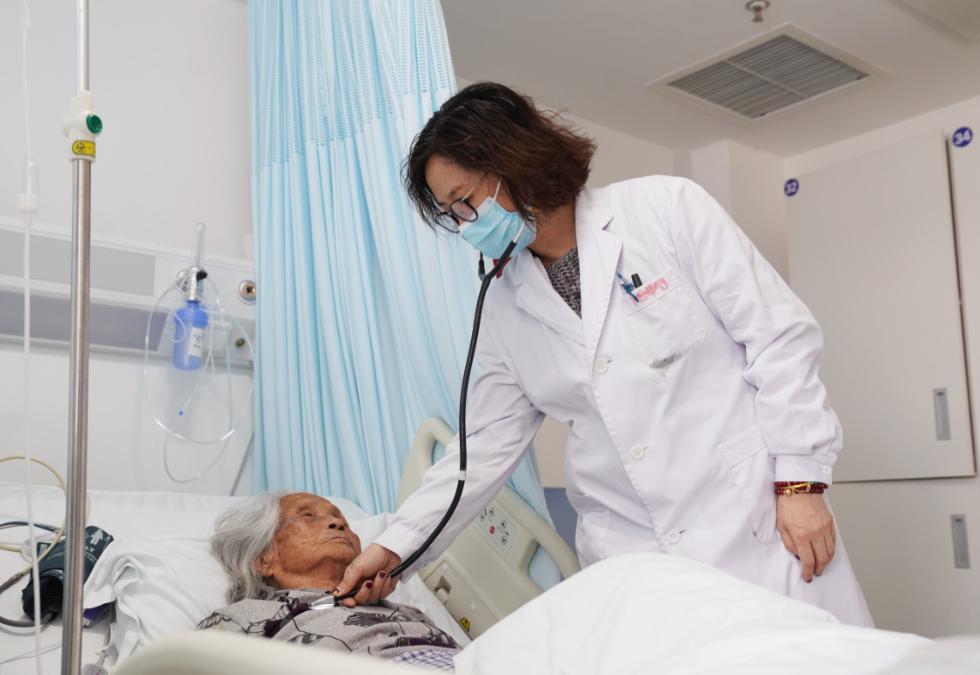
How can one be scientifically vigilant and say "no" to tumors? Doctors offer these four practical suggestions:
Not all discomfort signals tumor warning signs; the key lies in persistent, abnormal, unexplained, and recurrent combined manifestations. Experts recommend:
Pay attention to minor bodily changes: unexplained weight loss, persistent low-grade fever, night sweats, reduced appetite, etc. Do not take these lightly.
Establish an annual health record: It is recommended to undergo regular annual check-ups (including tumor markers, chest and abdominal imaging, gastrointestinal endoscopy, etc.), especially for those over 40 years old or with a family history.
Choose reputable hospitals and specialized doctors: If typical symptoms appear, seek immediate consultation at the oncology department of a tertiary hospital to avoid misinformation and delays. Undergo thorough examinations and scientific management at authoritative institutions such as Shanghai Jiao Tong University School of Medicine.

Improve lifestyle to reduce risks: A balanced diet, moderate exercise, quitting smoking and alcohol, avoiding prolonged sitting and overeating, and reducing high-fat and high-sugar intake help maintain a healthy immune system.