Doctor's warning: Still desperately lowering blood sugar at 70? These 6 health risks you must watch out for!
At six in the morning, it was just getting light. Grandpa Li was already sitting on the small kitchen stool, with a glucometer and a thick logbook on the table.
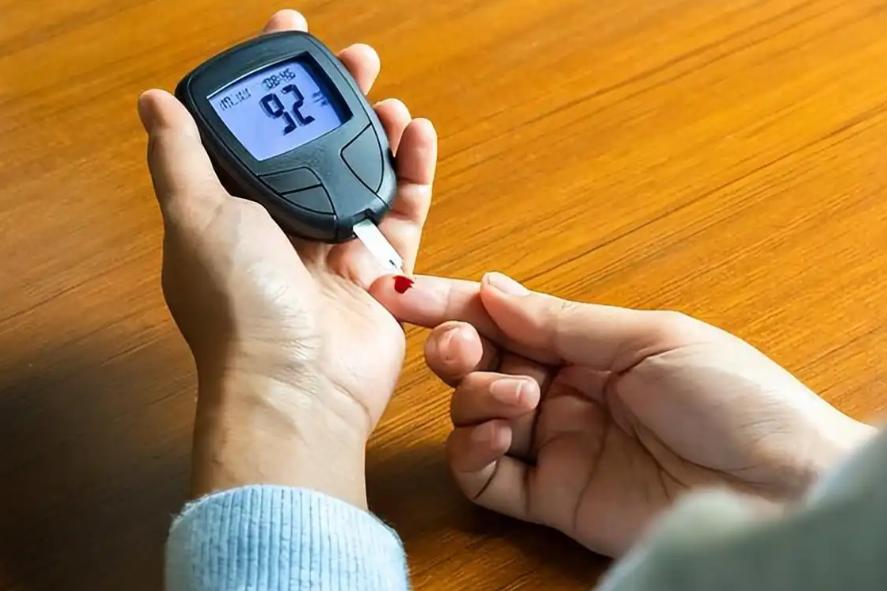
He carefully pricked his fingertip, waited for the drop of blood to appear, then solemnly recorded the string of numbers in the daily log; breakfast had to wait until the blood sugar was measured, so he could "precisely" decide whether to have half a steamed bun or a slice of whole wheat bread.
His family urged him not to be so particular, but he waved them off: "At my age, lowering blood sugar is most important—the lower the better!" No one expected that his "desperate glucose lowering" would almost cause him to fall into a health "trap."
After 70, the body is like an ancient tree weathered by storms: the roots remain, but the branches and leaves are fragile. Many elderly people believe that the lower the blood sugar the healthier they are; blindly pursuing aggressive glucose reduction is like walking a tightrope.
。
But doctors repeatedly emphasize that for very elderly patients lowering blood glucose is not "the lower the better"! In fact, the opposite is true: if blood glucose is reduced too much, health risks will quietly approach.
What specific risks are lurking? Especially the sixth point — many people overlook it, yet it causes the most insidious harm to the body. Today, let’s perform a comprehensive "mine sweep" to protect the health baseline of the elderly at home.
Is “desperately lowering blood sugar” really good? An authoritative doctor issues a warning
Regarding blood glucose, many people only see the risks of "high" levels and ignore the harm of excessive glucose lowering in older adults. According to multiple studies from the Department of Endocrinology at Peking Union Medical College Hospital, among people over 70 years old, if they blindly pursue low blood glucose, the incidence of hypoglycemic events is about 28.6% higher than in middle-aged diabetic patients.
Particularly practices such as long-term self-increasing doses of glucose-lowering drugs, strict dieting, and extreme restriction of staple foods not only fail to stabilize blood glucose but are instead very likely to damage multiple systems throughout the body. Why are elderly people more susceptible?
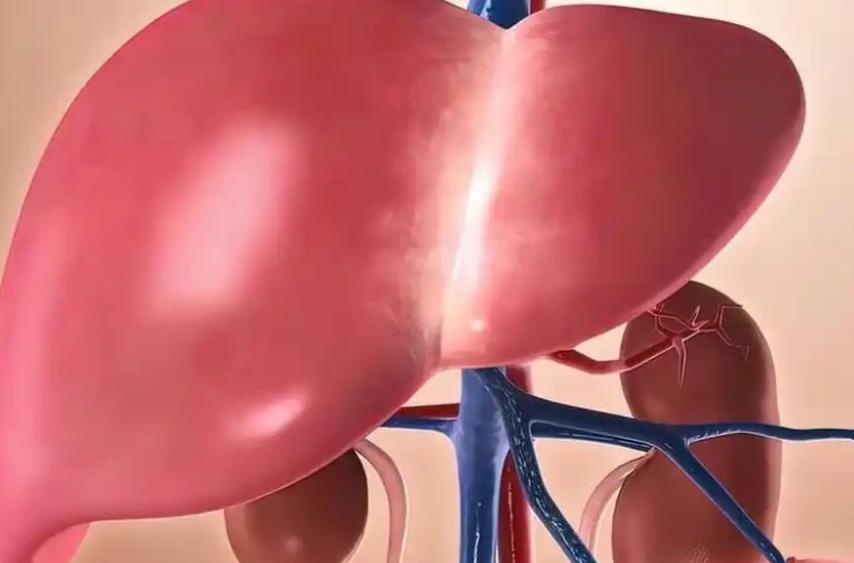
The older a person is, the weaker the regulatory capacity of the liver, kidneys, and other organs, and the blunted response to hypoglycemia makes “symptoms inconspicuous and, once something happens, very dangerous”; long-term comorbid chronic diseases (such as hypertension, coronary heart disease) often coexist, and aggressive glucose lowering frequently triggers “cascade adverse reactions”;
Decline in activities of daily living and reduced self-protective ability make the risks even harder to guard against.
Desperately lowering blood sugar may cause these 6 health risks in the body
Severe hypoglycemia can be life-threatening
Authoritative data show that people with diabetes aged over 65 have a twofold increased risk of hypoglycemic coma; blood glucose levels below 3.9 mmol/L can cause dizziness, cold sweats, and palpitations, and in severe cases can lead to coma or sudden death. Nighttime hypoglycemia is particularly dangerous, because by the time it is detected it may already be life-threatening.
Increased risk of cardiovascular and cerebrovascular events
Excessive blood glucose lowering not only fails to protect blood vessels, but actually increases the incidence of complications such as arrhythmias, myocardial infarction, and stroke during hypoglycemic episodes. According to data from the Chinese Medical Association, each episode of severe hypoglycemia increases the risk of cardiovascular and cerebrovascular events by approximately 18%.

Qi and blood deficiency, decreased immunity
Elderly people have a slower basal metabolic rate; if staple food intake is too low for a long time, it can easily lead to malnutrition, muscle loss, decreased immunity, and a vicious cycle that worsens the burden of chronic diseases.
Osteoporosis and greatly increased risk of falls
People with diabetes often have concurrent osteoporosis; after hypoglycemic episodes they are more prone to dizziness and falls. Some data indicate that in patients over 70, the probability of injuries and fractures caused by hypoglycemia increases by 13.4%, seriously affecting quality of life.
Low mood, even depression
Dietary restrictions that are too strict and large blood glucose fluctuations lead to long-term anxiety and depressed mood. "Glucose anxiety" can affect sleep and gradually form a vicious cycle. Many elderly patients report that after years of diabetes the psychological stress is even greater than the disease itself.
Chronic organ damage occurs quietly
Extreme glucose lowering can also easily, through recurrent hypoglycemia, damage the brain, heart, kidneys and other organs, causing marked declines in memory, impaired concentration, and even triggering cerebral infarction or renal injury. "My mind is fuzzy, I've been forgetting things lately" may be the result of overly aggressive glucose control!
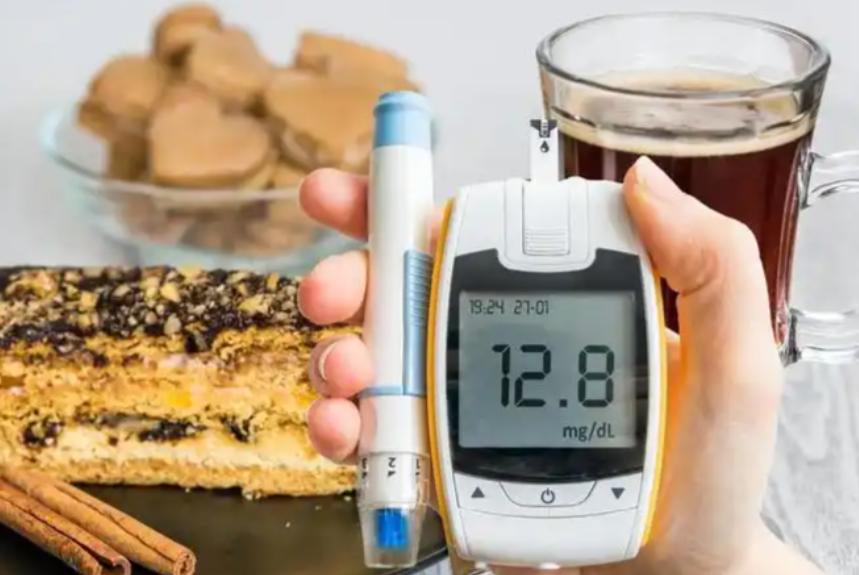
Doctors recommend doing this: control glucose safely and effectively guard against these 6 major pitfalls
7.0-8.0mmol/L
Set realistic blood glucose targets: For diabetic patients over 70, fasting blood glucose is generally safer when controlled around 7.0–8.0 mmol/L; avoid blindly pursuing the "standard values" for younger people.
150克
Eat sensibly; do not skip staple foods: Maintain regular meals, with staple foods not less than 150 g per day (about one bowl of rice). Combine coarse and fine grains; legumes and oats can partially replace white rice. If clear signs of hypoglycemia appear, eat an extra snack promptly.

Adjust glucose-lowering medications and communicate with your doctor at all times: Do not frequently increase or decrease doses on your own. If you experience discomfort or abnormal blood glucose fluctuations, be sure to see a hospital clinician promptly and adjust medications and dosages according to the doctor’s recommendations.
Pay attention to bodily changes and proactively issue warnings: If symptoms suggestive of hypoglycemia occur—fatigue, palpitations, cold sweats, slowed reactions—immediately take in sugar, and inform family or friends and prepare an emergency plan.
Moderate exercise, gradual progression without intensity: choose activities suited to your condition, such as walking, Tai Chi, or leisurely cycling, about 30 minutes daily is sufficient; do not insist on high intensity. Be sure to monitor blood glucose before and after exercise to avoid hypoglycemia.
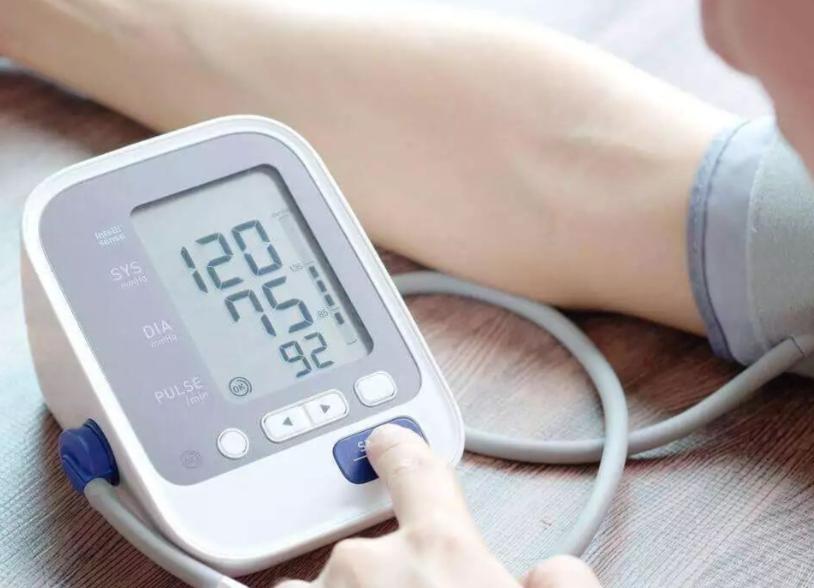
Regular check-ups, multi-dimensional monitoring: routinely check blood glucose, blood pressure, blood lipids, and kidney function, and pay attention to weight changes. If any abnormalities are detected, diagnose and intervene early to prevent accumulation of risks.