Doctor: If a person with cerebral infarction does not have these 5 conditions, it's not a big problem and you can be reassured!
In the early morning, Old Xu was jogging in the residential complex downstairs as usual, his stride steady and his expression relaxed. But just last month after a health check, he received a worrying report: "cerebral infarction." For a while, relatives and friends all urged him to stop exercising and not to overexert himself.
Old Xu could not hide his unease and even suffered insomnia for a time. When he was extremely anxious, a single sentence from his attending physician restored his confidence: "Some cerebral infarctions are not as serious as you think! If you do not have these five conditions recently, the problem is not major—you can be at ease."

Have you heard words like that? Could a cerebral infarction not be a "time bomb"? We often equate cerebral infarction with paralysis, aphasia, and inability to care for oneself, but is that really the case?
Today, using authoritative medical data, we will help lift the fog and understand the true risks of cerebral infarction, and how to live each day scientifically and with confidence.
What is cerebral infarction? Is it necessary to panic? The doctor says this
Cerebral infarction, in lay terms, refers to the blood vessels in the brain being "blocked," causing local cerebral ischemia and hypoxia, thereby affecting neurological function. In fact, among middle-aged and elderly people undergoing physical examinations, it is not uncommon for "cerebral infarction" to appear on imaging reports.
。
Physicians point out that about 1 in 5 elderly people aged over 60 have imaging evidence of an old cerebral infarct ("chronic focus").
But most of these "chronic" cerebral infarcts are asymptomatic "minor strokes" or "silent infarcts," which do not necessarily imply inevitable disability; a considerable number of people can live stably for many years, with good health management and without major problems.
Why do many people become excessively anxious after being diagnosed with a cerebral infarct? One reason is a cognitive misconception equating cerebral infarction with paralysis or Alzheimer's disease; another is worry about future medical care, rehabilitation, and quality of life.

In fact, not all cerebral infarctions equate to catastrophic outcomes. Authoritative institutions such as Peking Union Medical College Hospital and the Neurology Branch of the Chinese Medical Association have repeatedly emphasized: "If a cerebral infarction is detected without functional impairment, the long-term prognosis is good."
If none of the following 5 manifestations are present, it's not a big problem and you can be at ease
What kind of cerebral infarction is dangerous? After summarizing a large number of cases, authoritative physicians found that to judge the prognosis of cerebral infarction, the key is whether the following five "warning conditions" occur. If none are present, it means the brain's core functions are not damaged and basic life is almost unaffected, so one can be largely reassured.
No recurrent dizziness, disturbance of consciousness, or sudden syncope
If there is persistent, recurrent dizziness, or even confusion of consciousness or syncope, substantial impairment of cerebral blood supply should be suspected. Conversely, most patients with chronic cerebral infarction have no episodes of dizziness or syncope in daily life; clinical follow-up shows a favorable prognosis in over 82% of cases.
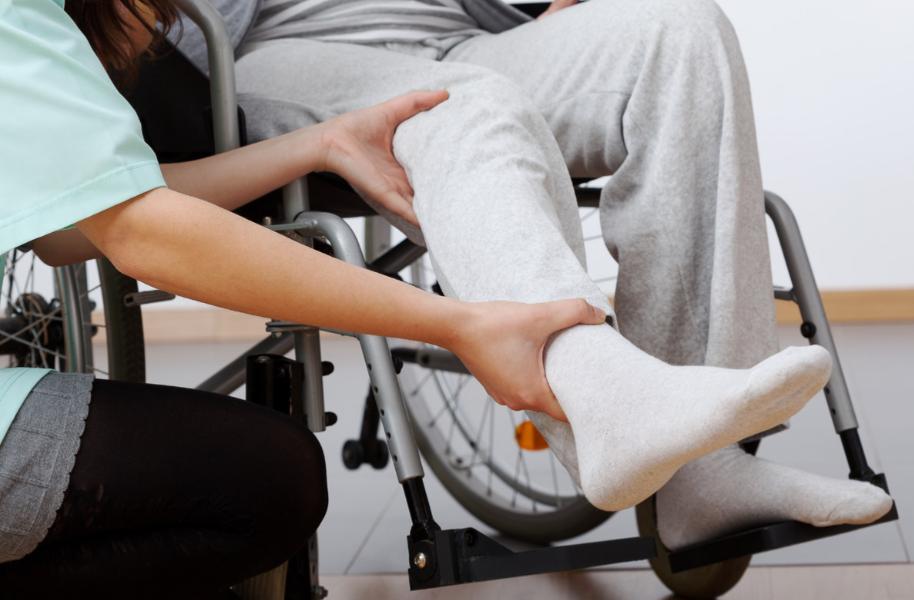
No hemiplegia or limb motor impairment
Paralysis, weakness of the hands and feet, and unilateral numbness are the main signs that a cerebral infarction has affected motor neural function. If daily mobility is normal and there is no unilateral limb weakness, most chronic cerebral infarctions have not involved the motor cortex. Data show that in over 80% of people with "asymptomatic cerebral infarction," there is no significant decline in independent living ability after 3 years.
No difficulty speaking or obvious swallowing impairment
Speech disturbance, communication difficulties, or swallowing abnormalities occur only when a cerebral infarct involves the speech center. If the patient can communicate and eat normally, it suggests the lesion has not affected critical neural pathways. Outpatient analyses from Xiehe Hospital have found that patients without such symptoms have a subsequent risk of acute stroke below 9%.
No recurrent facial droop, visual impairment, diplopia, or other neurological symptoms
Intermittent facial corner drooping, blurred vision, or double vision should raise concern for progressive intracranial major vessel occlusion. However, the vast majority of old small cerebral infarcts show changes on imaging but cause no functional neurological deficits in daily life.
No persistent limb convulsions or history of epilepsy
Cerebral infarction can also secondarily cause epilepsy. If there is no prior history of convulsive seizures and symptoms are stable, this indicates the infarcted area is small and has not involved hyperexcitable neural tissue. Clinical data show that cerebral infarction patients without a history of epilepsy have only a 7.8% probability of recurrent stroke within the next five years, far lower than those with a history of convulsions.
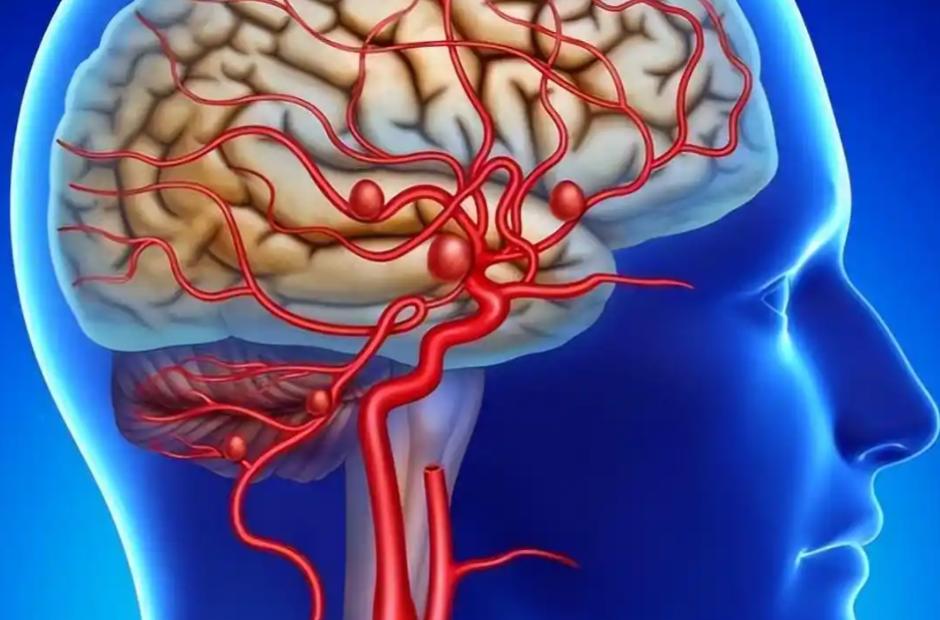
You might be curious: why do some people have a "cerebral infarct" detected yet experience no problems at all? In fact, medical imaging can only show a "local weakening/loss of blood flow signal," but this does not necessarily mean actual functional impairment.
Moreover, the brain has a "collateral circulation"; when a small focus is occluded, it is often compensated for by surrounding vessels, preserving neuronal viability. It is like a major road encountering a small pothole—adjacent service lanes can promptly help divert traffic.
Since a cerebral infarction does not necessarily "explode" immediately, what should be done in daily life
Even if current symptoms are not obvious, you must not be complacent. Authoritative recommendations indicate that scientific management and intervention can effectively prevent worsening of cerebral infarction and delay stroke occurrence. The following five measures must be implemented:
Control the "three highs," especially keep blood pressure stable below 130/80 mmHg: Hypertension, diabetes, and hyperlipidemia are the "three main culprits" of cerebral vascular occlusion. Studies have confirmed that maintaining blood pressure below 130/80 mmHg long-term in patients with cerebral infarction reduces stroke incidence by 27% within 3 years.
Quit smoking and limit alcohol to ensure vascular patency: Smoking easily causes arterial atherosclerosis, while alcohol increases the risk of sudden stroke. Epidemiological follow-up at Nanjing Brain Hospital indicated that those who never smoked long-term and had quit alcohol for more than 5 years had an 18.3% reduction in stroke recurrence.
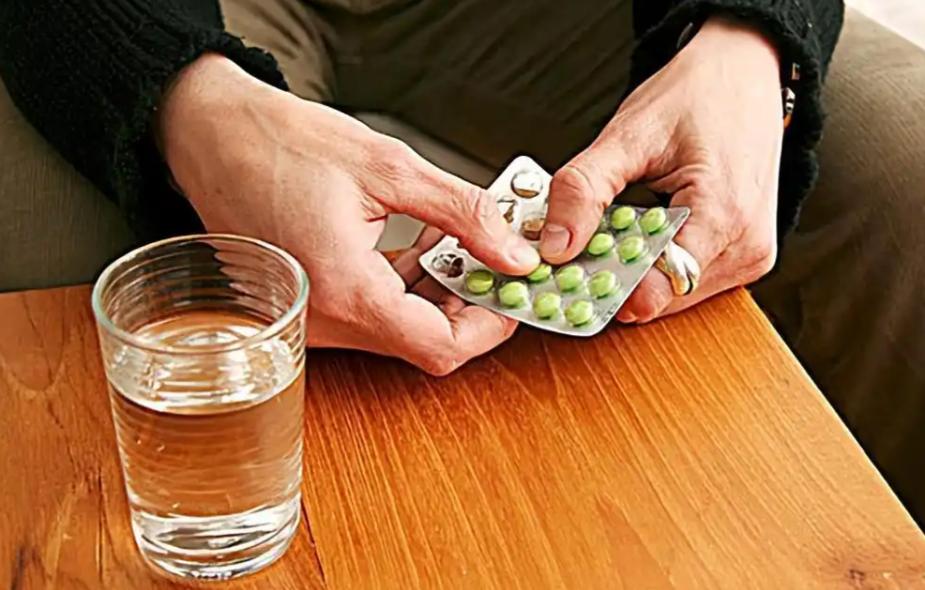
Use medications properly; do not stop or switch drugs without authorization: Follow physician guidance to comply with antiplatelet, lipid-lowering, antihypertensive, and other treatments. Stopping medication without authorization can increase recurrence risk by more than 50%. If discomfort occurs during medication, promptly report it to the treating physician.
Balanced nutrition, light diet, more fruits and vegetables, high potassium and low salt: consume sufficient fresh vegetables daily, combine coarse and refined staple foods, and limit daily salt intake to within 5 g, which can reduce stroke risk by 12.5%. Eat three meals at fixed times and in fixed amounts; avoid overeating.
Moderate exercise, maintain weight: engage in moderate-intensity activities such as brisk walking, tai chi, and swimming for 150 minutes per week to strengthen cardiocerebral vascular function. Keep body mass index below 24 to help reduce metabolic burden.