How many people out of ten thousand can still walk well in old age? People who sit less and stand more tell the truth
Aunt Li is 67 this year. Neighbors always say she “walks with the wind.” She goes up and down stairs, buys groceries, and strolls about every day more briskly than many young people.
Who would have thought that ten years ago she was a typical “office sedentary worker,” sitting for three to four hours at a time, always feeling her legs weak and lacking strength.
”、“
At that time, every annual physical report listed "decreased bone density" and "muscle loss" without fail, which made her worry inwardly: "Will I really have to rely on a wheelchair when I’m old?"

The change actually began with a simple after-dinner walk. A neighbor’s remark woke her up: "Don’t sit all the time; moving is worth more than anything!" From then on, Aunt Li began to stand a little more at home, avoided sitting on the sofa when talking, did some housework, and took walks in the garden after meals.
Come rain or shine, she kept it up for ten years. Now, among her peers there are those with canes and those with walkers, but she walks steadily with every step, fully able-bodied. She sighed, "Legs don’t fail because they get old; they quit because you keep them idle!"
You might think that in old age, as long as one avoids major illnesses, most people can still walk healthily. In fact, reality is far less optimistic. Exactly out of ten thousand people, how many are still able to walk briskly on their own in old age?
Why can some people in their seventies and eighties still walk briskly, while others' legs "give out" as soon as they retire? Especially the third reason—90% of middle-aged and elderly people have never paid attention to it!
Is "sitting a lot and moving little" really the main culprit slowing down walking in old age? Authoritative research tells you the truth—take a look quickly to see whether you are also neglecting this part of your body's "retirement fund."
Can walking ability really "keep you going for life"? On the surface, many elderly people with difficulty walking seem to have no choice because they're "just old."
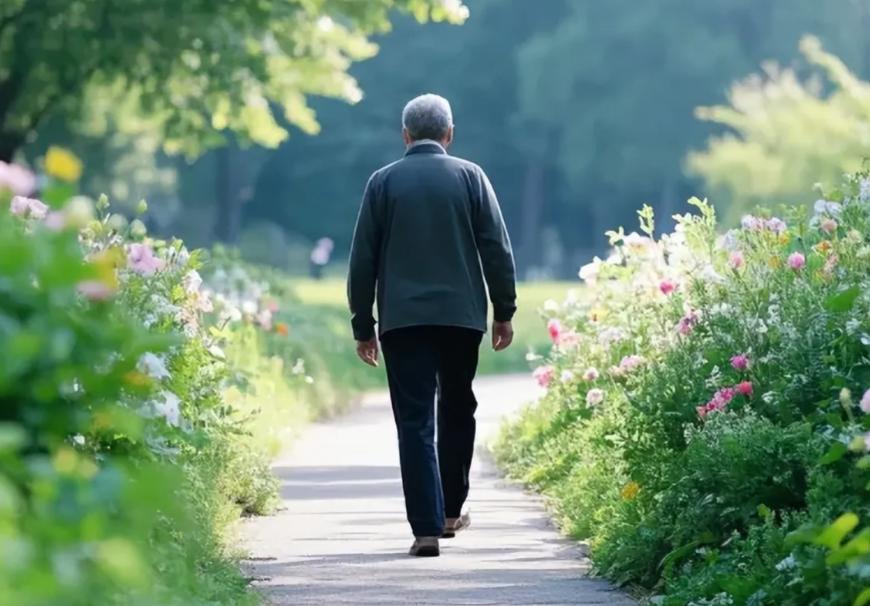
In fact, the data have long revealed the truth: the 2023 Epidemiological Survey of Walking Ability in Older Adults indicated that among people aged 60 and over in our country, about 26% have varying degrees of walking impairment, and among those over 80, this proportion rises to as high as 51.9%!
In other words, among ten thousand people, fewer than three quarters can truly still walk independently in old age without relying on canes or wheelchairs. These groups of elders who “can walk freely” often share a common habit: they “move more than they sit, stand more than they lounge.”
A 2021 long-term follow-up study at Harvard University of 20,000 older adults found that people who sit still for more than 7 hours a day have an annual leg muscle loss rate nearly 18.7% higher than those who engage in adequate activity, and their risk of bone density loss is also 14.2% higher.
Prolonged sitting easily leads to lower-limb venous thrombosis, arthritis, osteoporosis, and other conditions, seriously affecting self-care ability and quality of life in old age.
The geriatric medicine team at Peking Union Medical College Hospital warns: “The time you spend walking and standing determines whether you can still move freely in the future.” Many elders who habitually “stand and move more” have clearly secured their robust gait in later life through their actions.
Every extra minute you sit may be "stealing" your freedom in old age; while standing a little longer each day is like earning "interest" on an investment in your future health.
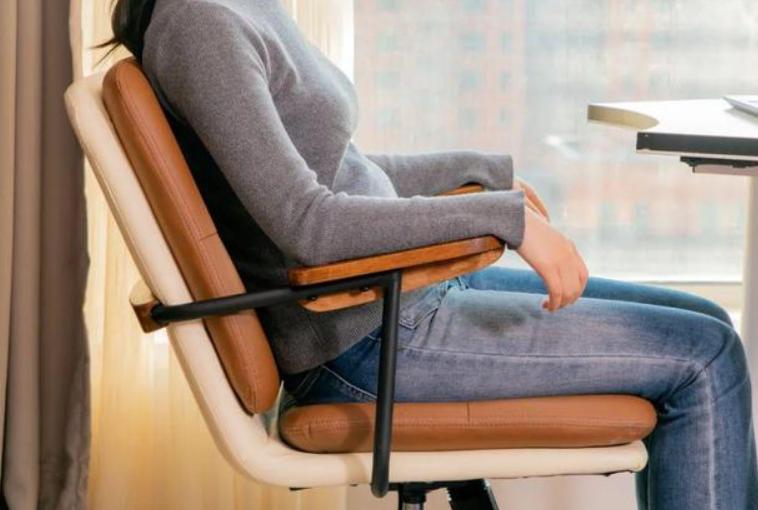
Persisting with "Sit Less, Stand More": 3 Truths That Quietly Make Your Body Better
Many people ask: "When you get older, you get tired after standing for a while — does occasionally standing really help?" In fact, standing itself is the best "dumbbell" for the lower limbs. The following three points are the keys to maintaining independent walking ability in later life, especially the third point, which is easily overlooked but determines whether gait can become steadier with time.
Significant increase in muscle mass
12%-15%
If you stand two hours more per day than before, after three months calf muscle strength can increase by 12%–15%. Even just standing at home to make phone calls or do chores can prevent leg muscle atrophy; prolonged sitting over years accelerates muscle loss and is the main culprit for elderly people being "unable to lift their legs."
Stronger bones and more flexible joints
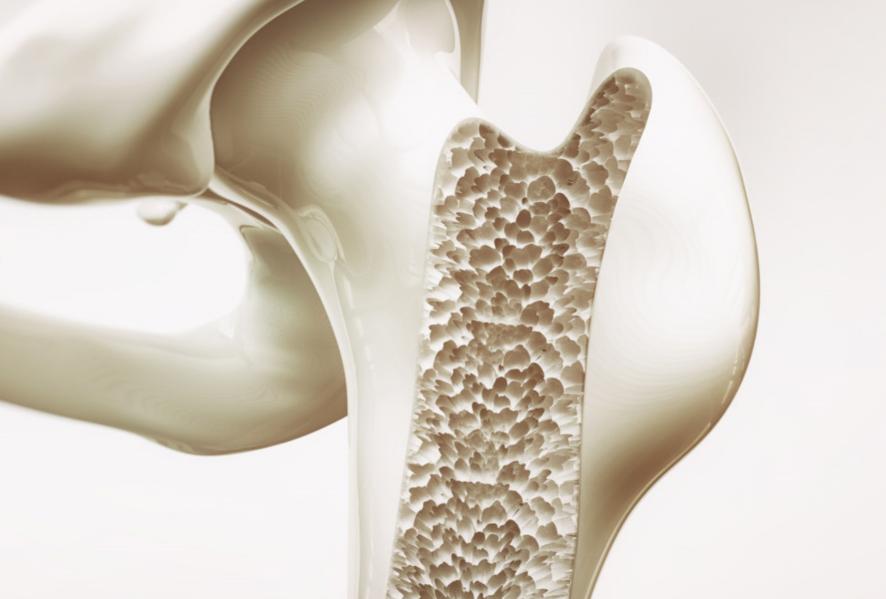
Data from the Yale Bone Health Program in the United States show that regular standing and walking can increase bone density by an average of about 8% within 3–6 months. Conversely, long-term sitting and stiffness on rising readily lead to osteoporosis and joint wear, increasing the risk of falls and disability.
Significant improvement in lower limb blood circulation, preventing thrombosis and Alzheimer’s disease
Authoritative medical statistics show: those who accumulate more than 3 hours of standing per day have a 27% lower risk of lower extremity venous thrombosis, and improved cerebral blood supply, which helps reduce the risk of Alzheimer’s disease.
Over the past five years, 95% of lower limb thrombosis patients have been associated with prolonged sitting. “Vessels are like pipes; when they don’t flow they’re most likely to clog” is not an empty saying.
Special reminder: Even if your knees already feel uncomfortable, or you have a history of joint problems, by consistently practicing scientific "segmented standing" and slow walking, you can gradually improve. Even a small change will make it easier to step out in the future.
Want to be able to walk healthily into old age like Aunt Li? You can develop these three habits now
Many readers worry: "I have to work every day and have lots of household chores—can I really stand that long?" In fact, "sit less, stand more" doesn't mean you must train in a rigid stance; it means consciously reducing prolonged uninterrupted sitting in daily life, adjusting your rhythm scientifically, and sticking to small changes:
Regular segmented standing: Get up to move every 45 minutes of sitting, for 2–5 minutes each time—even just stretching your back, pacing, or tidying clothes. Scientific studies show that accumulating an extra hour of standing per day can improve walking ability by 13%–17% after six months.
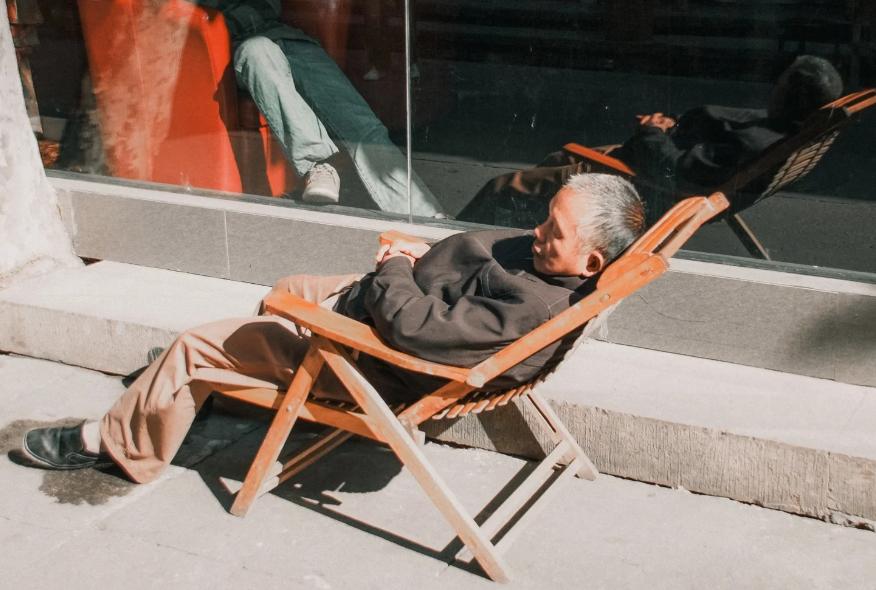
After-meal slow walking + afternoon sun: Walk in the neighborhood 15–30 minutes after meals; this aids digestion and exercises the lower limb joints, increasing blood sugar stability by 9.6% and reducing annual bone density loss by about 7%. Sun exposure on sunny days further aids vitamin D production, “replenishing” healthy bones.
Simple continuous lower limb exercises: For example, “little swallow fly” (Xiaoyanfei), leg kicks, toe raises, wall-standing, etc., practiced multiple times daily. Those with bad weather or limited mobility can easily do these at home. Hold each stance for 5 minutes; after resting, repeat multiple times.