To become slim, a woman in Henan has fasted after noon for 3 years; her current condition makes people reflect
Night deepened, and the office lights were particularly bright. Guo Xiaoxiao (pseudonym), wearing a form-fitting skirt suit, leaned against the floor-to-ceiling window, holding a cup of warm water, watching her colleagues animatedly discuss what takeout to order tonight.
When someone quietly asked about her dinner, she only smiled faintly: “I don’t eat after noon, it’s been three years.” Her colleagues’ eyes were full of admiration and puzzlement: she is universally recognized in the company as the “advertising goddess,” and her figure is remarkably well maintained.
But the real secret was hidden in those repeated acts of resisting delicious food and quietly avoiding the dining table. However, three years later, Guo Xiaoxiao’s body no longer looked as healthy and radiant as her appearance suggested.

Can skipping meals after noon really make you thinner? What warning does Guo Xiaoxiao’s story sound for us? The road to weight loss should be taken using the method that suits you best. What medical hazards are actually hidden behind this seemingly simple persistence?
Guo Xiaoxiao’s experience may be a reflection shared by many people pursuing a particular body shape. At first, to lose weight quickly she tried almost every method: exercise, cutting staple foods, fasting—but the results were unsatisfactory.
When a close friend said, “Stop eating after noon; you’ll lose weight quickly and steadily,” she decided to give it a try. Her weight did drop significantly in the first few months, but before a year had passed she frequently experienced a dull pain in her stomach, and when the night grew quiet the discomfort brought on by hunger would come crashing down like a tidal wave.
After a severe episode of stomach pain, her colleagues rushed her to the hospital. The doctors diagnosed a gastric ulcer, and her immunity had noticeably declined, with continuous colds and fevers. She had to suspend the hard-earned "weight-loss plan."
Behind all this, is it a signal of the body trying to save itself, or a danger destined on the path of dieting?
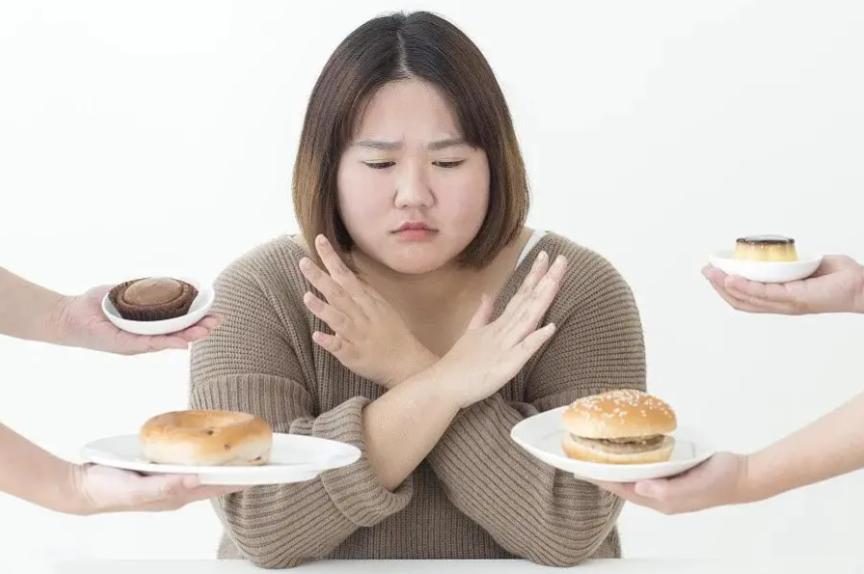
Not eating after noon: the scientific truth behind the weight-loss myth
"Not eating after noon" originally comes from ancient practices of cultivation and health preservation. After 3 p.m. at noon, one completely abstains from eating, intending to let the body remain fasting to burn excess fat.
Many people think that controlling the mouth equals getting thin, even treating this method as an immutable rule. But modern medical research gives a completely different answer.
。
Research from Capital Medical University shows: long-term irregular eating, after the stomach is subjected to continuous stimulation, increases the risk of gastric mucosal damage; the incidence of gastric ulcer is about 12–18% higher than in people with normal eating patterns.
Guo Xiaoxiao’s case exactly confirms this conclusion; during her practice of not eating after noon, she often felt stomach burning and pain, and was ultimately diagnosed with gastric ulcer.
In addition, insufficient dinner intake can lead to severe malnutrition. In modern urban life, many people eat a simple breakfast and rush through lunch, making dinner the key opportunity for nutritional replenishment.
But Guo Xiaoxiao long stopped eating dinner, her body's energy supply was far from adequate, resulting in persistent fatigue, decreased mental vitality, and worsened sleep.

A survey by a national nutrition society found that after two consecutive weeks without adequate dinner intake, 60% of subjects experienced decreased immunity, with a 13% increased likelihood of catching colds and viral infections. Even more surprising, "no eating after noon" does not always produce the desired weight-loss results.
Medical statistics have found that long-term extreme dieting causes the body to enter a self-protection state: basal metabolism decreases, even falling below normal levels by 12%, protein consumption increases, and fat instead becomes more "stubbornly" stored.
The body begins to "conserve" energy and reduce muscle; over time, this makes weight harder to lose, and once normal eating is resumed, rebound obesity is more likely. That is why it may seem effective initially but is hugely harmful in the long term.
Scientific recommendations for healthy weight loss—three points to grasp
Guo Xiaoxiao's experience tells us that extreme dieting is inadvisable and that reasonable management is the key. So, how exactly should one eat to avoid mistreating the stomach while effectively reducing fat and gradually achieving a healthy, good figure?
Dinner should not be uniformly "abandoned"; it should be light, balanced, and moderate—avoid overeating or skipping it entirely.
Staple foods can include whole grains, sweet potatoes, and other low-glycemic carbohydrates; high-quality protein (eggs, fish, soy products, etc.) should be kept to about 30 g per meal; increase intake of leafy vegetables and high-dietary-fiber fruits (such as apples and grapefruit).

Dinner should be scheduled about four hours before bedtime to allow sufficient time for gastrointestinal digestion; aim to be about 70% full each night.
Second, a balanced diet combined with moderate exercise is far superior to dieting alone. The Chinese Center for Disease Control and Prevention advises that adults should perform 150 minutes of moderate-intensity aerobic exercise per week, reasonably combined with resistance training, which helps promote fat burning and prevent muscle loss.
For those in the “dieting camp,” the most important concern should be maintaining basal metabolism and the integrity of bodily functions—do not “get by” by starving yourself or relying on snacks. Again, be wary of various weight-loss “remedies” popular online, such as completely avoiding staples, not consuming oil, or skipping dinner.
If you see a so-called rapid drop in weight over a short period, be sure to pay attention to the warnings your body is sending.
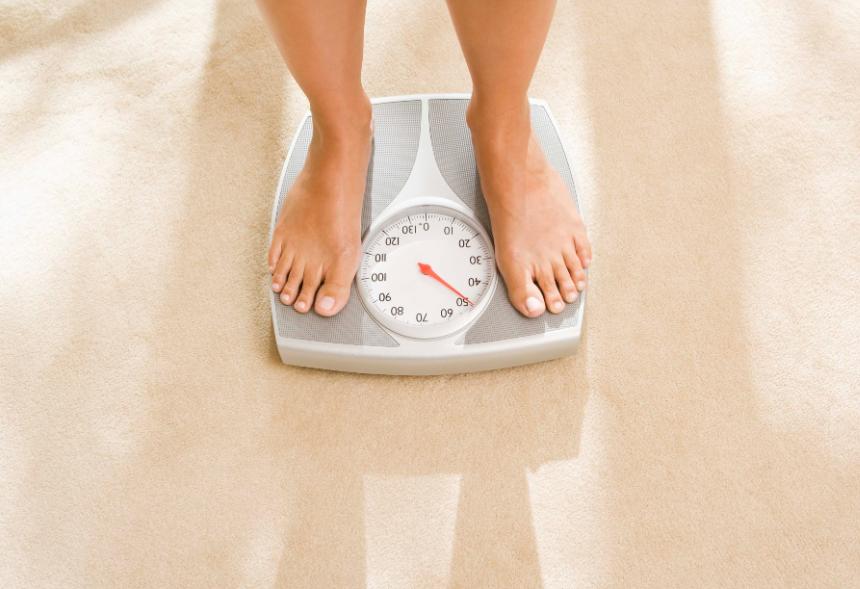
Medical data show that for every 100 kcal decrease in basal metabolic rate, the risk of weight regain increases by 16%, and body shape becomes harder to restore with possible skin laxity. Scientific weight loss emphasizes appropriate, sustained, and individualized approaches.