Is diabetes a typical “couple’s disease”? If one spouse gets it, what should the other do
。
Sixty-two-year-old Mr. Wang has been feeling somewhat conflicted recently. He and his wife, Aunt Zhang, have lived together for nearly forty years; their daily rhythm is so in sync that they can predict each other's meal choices with high accuracy. But just a few days ago, during a routine checkup, Mr. Wang was diagnosed with type 2 diabetes.
As soon as the doctor announced the diagnosis, Aunt Zhang’s first reaction was not to comfort her husband but to turn to the doctor with a worried face and ask, “Am I at risk too?” The doctor nodded: “Many couples do develop diabetes together. You’d better get tested as well.”
The atmosphere immediately grew tense. Could diabetes really be a “couple’s disease”? Why do we so often hear “if one gets it, both get it”? If someone in the household has diabetes, what should the spouse do—can they really avoid it?
This concern is not alarmism. Increasing clinical data show that diabetes risk is not only related to genetic inheritance; the “shared lifestyle” effect between spouses has a huge impact. Some doctors have even proposed that diabetes is a typical “couple’s disease.”
What scientific mechanisms are behind this? How can we interrupt the risk so that both individuals stay far from the shadow of blood glucose dysregulation?
Today, I will take you from observations to methods, step by step revealing the truth about the "diabetic couple effect"—especially point 3, which you may have been "ignoring" all along.
Diabetes: why is the prevalence among married couples much higher than among their same-age peers? Many people think diabetes is caused by "eating too much and getting fat" or "bad genetics," but the risk correlation between spouses is actually higher than for most chronic diseases.
Related studies show that after one spouse is diagnosed, the other’s risk of developing diabetes can increase by as much as 26%.
This figure far exceeds the probability of disease overlap between biological siblings. The main reasons are as follows:
Synchronized dietary habits: At the vast majority of household dining tables, spouses eat the same dishes, staples, oils, salt and even snacks. If one partner favors high fat, high salt and high sugar foods, over time the other partner’s islet function will be similarly tested. Large intakes of highly refined carbohydrates and greasy foods are an “invisible driver” of type 2 diabetes.

Similar daily routines: Many couples stay up late together binge-watching shows, sit for long periods or lack exercise, and may even skip workouts together. These behaviors can directly induce decreased insulin sensitivity, raise blood glucose levels, and increase the risk of clustered onset.
Emotional stress resonance: Middle-aged and elderly families often face economic pressure, children’s schooling, disease burdens and other issues. Negative emotions not only affect sleep and hormone secretion, but can also indirectly interfere with islet function, promoting the onset of diabetes.
Replication of unhealthy lifestyle details: Behaviors such as feeding each other snacks, indulging laziness, or using desserts as comfort often mean well but do harm, negatively affecting health.
With consistent improvement, spouses’ diabetes risk can differ greatly; focus on guarding against these three major habits
:
Many family members of people with diabetes mistakenly think "It's not me who has it, I'll just be more careful myself," but in fact if adjustments are not made promptly, danger quietly accumulates in the everyday details. The following three points are key for couples to jointly prevent diabetes and are also the most easily neglected areas:
Synchronized dietary adjustments: Regardless of who becomes ill first, the whole household should adjust meals according to principles of blood glucose control. Replace white rice with oatmeal and mixed grains, use olive oil for cooking, increase the proportion of vegetables to more than half of each meal, and limit staple food portions to no more than 100 g.
Statistics show that when households synchronize their diets, within just three months the partner's postprandial blood glucose can decrease by 13%–18%, greatly reducing the likelihood of "catching the disease from a spouse."

Exercise alliance, mutual supervision: Compared with going it alone, exercising together daily (for example, a brisk 30-minute walk after dinner, weekend cycling or swimming together) is not only easier to maintain but also helps improve mood and enhance insulin sensitivity. Epidemiological research at Harvard University shows that couples who exercise regularly can reduce their diabetes incidence by 12.6%.
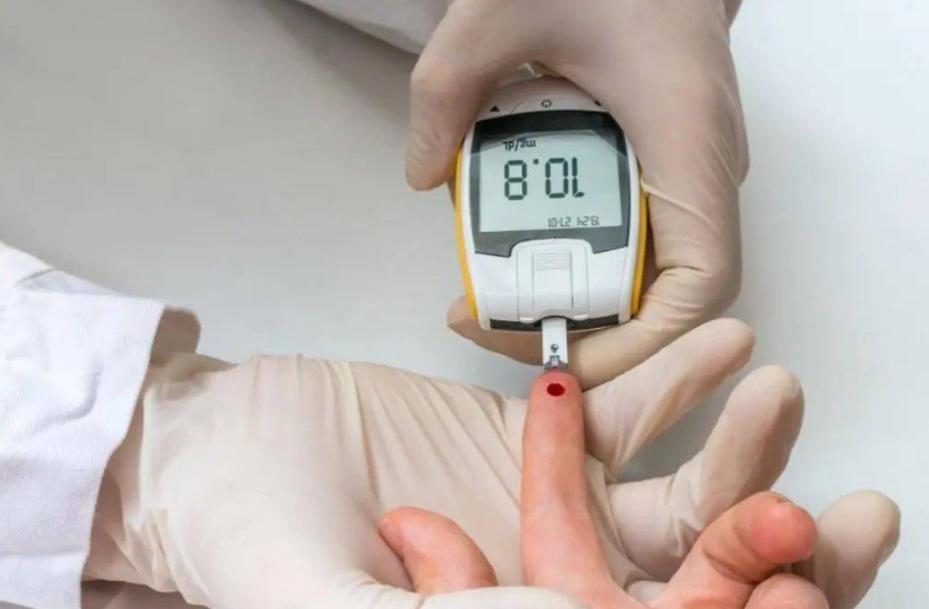
Regularly check each other’s health indicators: Equip the household with a home glucometer and periodically measure each other’s fasting and postprandial blood glucose; those over 45 should also have HbA1c tested at least once a year to detect hidden risk. Early monitoring and early adjustment are the frontline of the family’s defense.
Be alert to three types of “dangerous actions” — don’t let good intentions cause harm
Many households fall into pitfalls when preventing diabetes, especially these three common “misconceptions”:
“Feeding with love” snacks become a root of trouble: thinking that secretly preparing desserts or small treats for your partner is considerate actually increases their disease burden. Instead of pastries, replace them with low-GI vegetables like cherry tomatoes or cucumber sticks—“turn sweetness into real health.”

Mutually indulging laziness, losing exercise motivation: when one partner slackens and doesn't want to move and the other “lies down together,” good habits easily fall by the wayside. It is recommended to establish an “exercise check-in reward system,” using small tangible gifts or family dinners instead of food rewards to enhance motivation.
Creating anxiety and blame: excessive criticism or complaints only make the partner feel burdened and instead worsen blood glucose fluctuations. Say more “let's try a new recipe together” or “let's go for a walk in the park together,” replacing negative blame with constructive, cooperative language—far more effective than simple commands.
The new upgrade to a healthy family's “diabetes defense”: specific action guide
To keep both spouses free from diabetes, self-discipline or reminders alone are insufficient. Remodeling the household environment as a whole can better cut off the sources of risk:
Kitchen slimming plan. Proactively "declutter" high-sugar snacks and fried foods, add an air fryer or high-speed blender, and stock low-GI fruits and nuts. Doing this for three months can significantly reduce the household average glycated hemoglobin level.
Bedroom golden routine. Turn off electronic screens before 22:00, use blackout curtains, and keep bedroom temperature at 20–22°C to improve sleep quality and help stabilize endocrine function.

Shared health goals with rewards and penalties. The couple sets joint targets, for example: three consecutive months of meeting a no-sugar diet, weight management, or acceptable blood pressure, then reward with a short trip or purchase of exercise equipment.