Is it unsafe to jog as you age? Doctor repeatedly reminds: After 60, remember 5 no-nos for jogging
On a typical retirement morning, Mr. Lin’s familiar figure can always be seen in the park. His companions walk briskly in small groups, while Mr. Lin prefers to jog lightly along the rubber track. “You’re old and still running—aren’t you afraid of ruining your knees?”
His friends have worried about it before. Mr. Lin, however, firmly believes that exercise is the key to staying vital. But one day, after jogging home, he suddenly felt a dull discomfort in his knee and lost his appetite for dinner, and he couldn’t help wondering, “Have I been persisting with the wrong way of exercising?”
In fact, his experience is not unique. Many older friends are torn over the question of “whether to run and how to run properly.” So after age 60, is jogging still something you can do? What reminders do doctors and authoritative studies provide?

Especially the “5 don’ts,” each point is crucial—some things you may have been doing wrong all along. Read on and you’ll find that jogging is not actually a “forbidden zone” for the elderly, but there are quite a few tricks and details to pay attention to!
Is jogging after 60 really beneficial for health? What do doctors and data say
Is jogging no longer just for the young, and is it still necessary to jog after age 60?
Authoritative medical data indicate that moderate jogging can reduce cardiovascular disease risk in middle-aged and older adults by about 17.8%, and it also has clear benefits for increasing bone density, alleviating chronic inflammation, improving mood disorders, and enhancing immunity.
A 2023 article in the Chinese Journal of Geriatrics cited a long-term follow-up study showing:
Middle-aged and older adults who jogged 2–3 times per week for 20–30 minutes per session had 11%–15% better cardiopulmonary function compared with the non-exercising group; not only did they not have an increased incidence of knee joint disease, but their risk of falls outside the classroom was actually reduced.
Why is that? First, jogging is an aerobic exercise that helps control blood lipids and blood glucose and maintain body weight. Metabolism declines in older adults, making them prone to fat accumulation and muscle loss.

Regular jogging helps preserve muscle mass, promotes basal metabolism, and makes the body more energetic. But after 60, bone and joint and cardiopulmonary function objectively decline; if done improperly, blindly following high‑intensity running trends can indeed induce accidents and injuries.
Therefore, jogging is good, but it needs to be done scientifically and strategically. The doctor’s repeatedly emphasized “five don’ts” are not trivialities but safety bottom lines drawn from experience and data.
If you stick to jogging, how many of the "5 no-nos" have you followed
。
Many people worry that jogging damages the knees or the heart, but the problem often lies in the details. The doctor has set “five don’ts” for middle‑aged and older friends; each point directly affects health, especially point 3, which is most easily overlooked.
Do not jog on an empty stomach
After age 60, insulin sensitivity decreases; exercising on an empty stomach can easily induce hypoglycemia, dizziness, or even sudden collapse. The latest "Exercise Safety Guidelines for Middle-aged and Elderly" recommend consuming at least 100–120 kcal before exercise (for example, half a banana plus a small handful of nuts) to stabilize blood glucose and prevent accidents.
Do not sprint on hard surfaces without protection
Clinical data show that jogging on cement increases the rate of knee joint injury by 28% compared with synthetic tracks. With articular cartilage already thinned, choosing the right surface and dedicated shock-absorbing running shoes is necessary to reduce wear; otherwise, “knee-friendly” jogging can still become a burden.
Do not neglect warm-up and stretching
Over 50% of jogging sprains and strains are due to skipping warm-ups. Five to ten minutes of gentle stretching and joint mobilization to “preheat” the muscles can reduce the risk of injury by about 30% or more. “Bursting into a run as soon as you step outside” is a common taboo for elderly joggers.
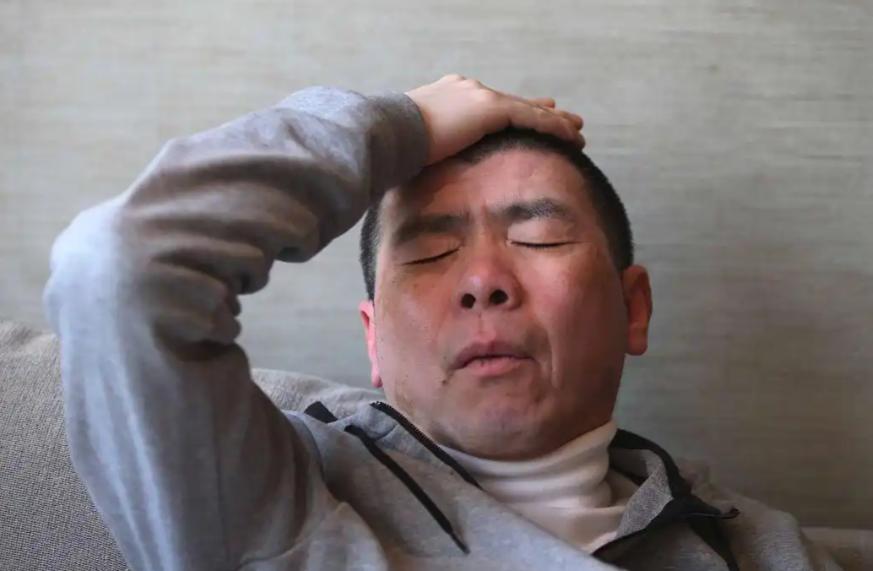
Do not ignore the body’s warning signals
?
How many people "push through" until they reach their step count, yet ignore signals like palpitations, chest tightness, joint pain, or dizziness?
Data show that for runners over 60, if they can adjust their pace in time or pause to rest midway, the acute exercise-related risk can be reduced by nearly 40%. Therefore, "stop if you feel unwell" is a bottom line for protecting the body.

Do not blindly pursue exercise volume and speed
Some people focus only on step counts, distance, and speed, not realizing that the "10% rule" is more suitable for an aging body: weekly exercise volume should increase by only 10%, gradually. Studies have found that blindly increasing exercise volume doubles the risk of injury. Jogging emphasizes "not letting heart rate become too fast, exercising with rhythm"; being able to speak comfortably while running is just right.
Scientific jogging for greater longevity — remember these practical tips
The purpose of exercise is to achieve health, not to challenge oneself. After age 60, jogging requires scientific control of pace. Doctors recommend:
Prioritize choosing synthetic track or dirt paths in wooded areas, avoid hard surfaces; wear shock-absorbing, foot-conforming athletic shoes and check them regularly to maintain performance; hydrate and have a small snack before exercising, and you may take a small energy supplement during exercise;
;
Monitor heart rate throughout your jog, keeping a pace at which you can speak comfortably is ideal; stop immediately if you feel hypoglycemic, short of breath, or dizzy; jog 2–3 times per week for 20–30 minutes each session, lower intensity than younger people is acceptable, and long-term consistency far outweighs short bouts of high intensity;
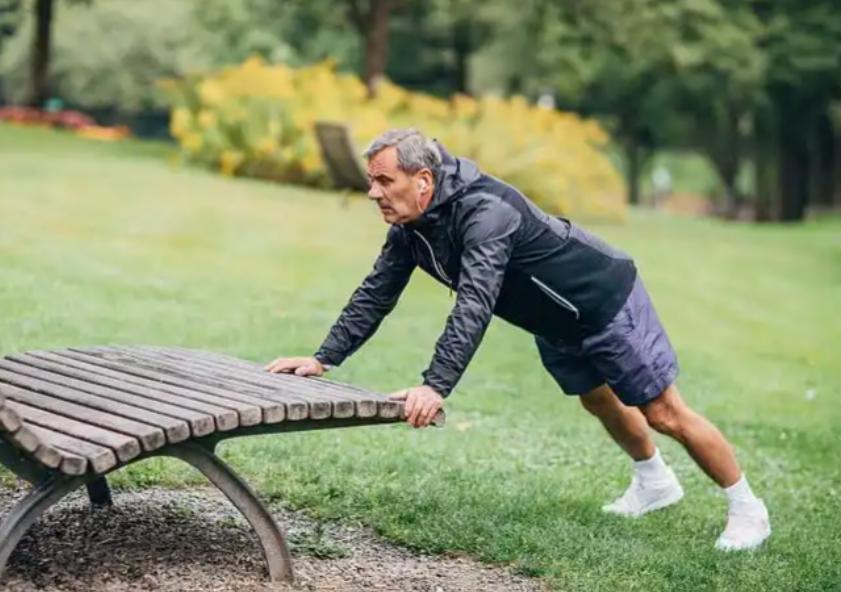
Perform adequate stretching and ankle/knee mobilization before and after exercise; allow 15 minutes of recovery after exercise; if there is a history of severe cardiovascular or cerebrovascular disease, joint replacement, osteoporosis, etc., be sure to consult a physician for evaluation before exercising;
If unable to adapt to jogging, try low-impact activities such as water jogging, elliptical training, or brisk walking; avoid "forcing it." Jogging is a process of "negotiation" with the body—if done scientifically and rationally with a bit of patience, it can become an important means of prolonging life.
Data indicate that regular jogging reduces 10-year mortality risk in middle-aged and older adults by 13% and significantly lowers the incidence of complications. More importantly, exercise improves not only physical function but also mood, vitality, and psychological well-being. Moderate jogging can bring a strong sense of vigor and happiness.