Do you need to use separate bowls and chopsticks at home if someone has hepatitis B? Finally someone has clarified it!
At six in the evening, at a dinner table in a residential complex, the atmosphere was somewhat awkward. Aunt Zhang served the dishes and the family sat around, but noticed her daughter‑in‑law silently placing her and her little grandson’s bowls and chopsticks far away.
The younger family members hesitated over the food before them, and everyone’s eyes kept falling on the second son in the corner who was “eating heartily and laughing loudly” — he is a hepatitis B virus carrier. Since the day he was diagnosed, the dinner table seemed to have been quietly “split into two sides.”
"Didn't the doctor say it's nothing?" the daughter-in-law couldn't help but mutter softly, "So why is it still... what if it gets transmitted?"
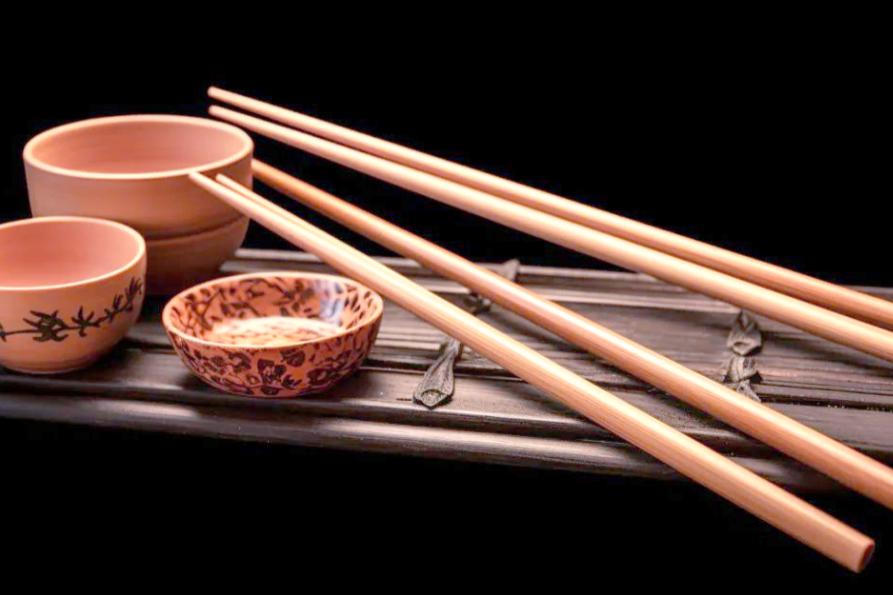
This question that troubles many Chinese families has left countless people torn: if there is an HBV carrier in the household, is it really "necessary" to use separate tableware? If utensils are shared, how great is the risk?
Perhaps your answer is like many others': better to "err on the side of caution," while the family lives separated by an invisible wall.
Today, we'll use scientific data and authoritative interpretation to settle this controversy once and for all. You'll find that the "fear of shared meals" mostly stems from misunderstandings, and the medical truths behind it are worth everyone knowing.
Is sharing utensils innocent or “actually risky” for hepatitis B transmission?
In the public mind, hepatitis B virus is very stubborn and highly contagious, but most people may not realize that it differs from influenza or enteroviruses; you do not get infected simply by “taking a bite” or using the same pair of chopsticks. So can hepatitis B virus “be transmitted through bowls and chopsticks”?
According to the authoritative conclusion of the Hepatology Branch of the Chinese Medical Association, the main transmission routes of hepatitis B are threefold: bloodborne transmission, sexual transmission, and mother-to-child transmission. In short, infection is possible only when body fluids or the “mother’s delivery process” directly enter another person’s body.

It is almost impossible for healthy adults to become infected with hepatitis B through shared dining utensils or ordinary saliva droplets.
A follow-up study of 500 households at the First Affiliated Hospital of Xiamen University showed that after 2 years of follow-up, only a few family members converted to carrier status, and the remaining family members were all healthy. And these very rare transmissions were all accompanied by clear histories of direct blood contact, not merely shared meals.
The World Health Organization (WHO) and China's latest health guidelines repeatedly emphasize: "Hepatitis B is not transmitted by sharing tableware in daily life." For a long time many families have enforced separate bowls and chopsticks, but this is more driven by psychological pressure and is medically unnecessary.
But some people worry: "If hepatitis B virus is present in saliva, could it be transmitted by residue on chopsticks?" Medical sequencing indicates that even when hepatitis B virus is present at very low levels in saliva, the vast majority cannot survive the digestive tract.
When your gastric acid is present, the virus is almost entirely inactivated. Unless the infected person has bleeding in the mouth or oral ulcers resulting in direct mucosal contact, simply eating together or drinking soup is far from sufficient to cause infection. Why do people have such deep misunderstandings?
First, there are 290 million hepatitis B carriers in our country; the deep-rooted history of reacting with fear to "hepatitis B," combined with social networks and elders' "old wisdom" in families, has made separating tableware an almost instinctive habit.
Many people are not afraid of disease in a scientific sense, but afraid of estrangement and of "what if," and as a result they end up hurting familial bonds.
Sharing tableware is actually not as dangerous as you think
Is there any risk to family members not using separate chopsticks? The answer is: everyday family dining is almost never an entry point for hepatitis B transmission. The hepatitis B virus is very susceptible to high temperatures, disinfection, and exposure to air, and it is hard for it to survive on tableware.
Authoritative data from China CDC show that with routine washing or scalding with boiling water, hepatitis B surface antigen has very weak survival ability under natural conditions, degrading within hours at room temperature, so there is no need for excessive panic.
Of course, special populations require extra caution: for example, households with infants and young children, pregnant women, or those who have not received the hepatitis B vaccine and have weaker immunity.
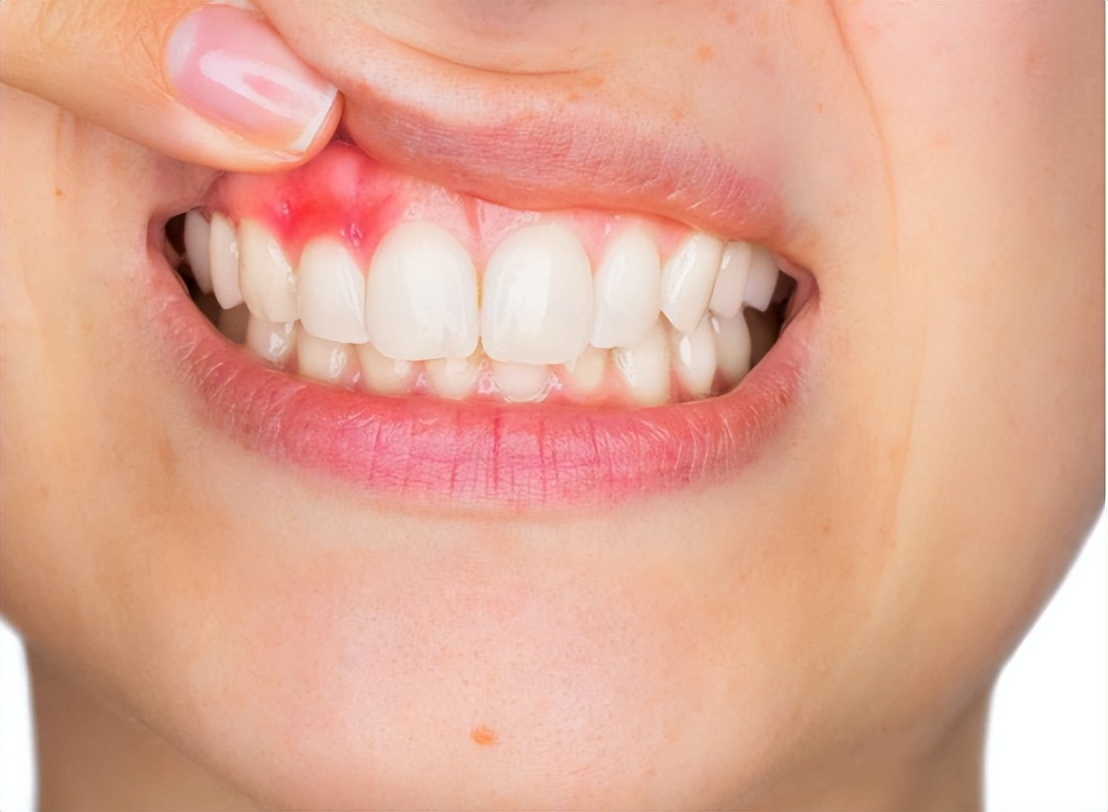
If a hepatitis B carrier has oral wounds (such as bleeding gums or mouth ulcers), there is, in theory, a very small risk in rare cases. In such situations, it is advisable to temporarily use separate dishes and utensils; under normal circumstances there is absolutely no need to separate bowls and chopsticks at every meal.

For ordinary household members, as long as the high-risk factors described above are absent, there is no need to use separate bowls and chopsticks when eating together, and there is certainly no reason for this to affect family relationships and emotional communication.
The efficacy of the hepatitis B vaccine is extremely high, and the national vaccination rate has exceeded 95%. Even when living with family members who have hepatitis B, consistently receiving the vaccine plus regular antibody testing can reduce the probability of infection to nearly 0!
Live scientifically, avoid panic, and let family affection remain unobstructed
So, when there is a household member with hepatitis B, how should one maintain a "healthy distance" in daily life?
Authoritative recommendations are as follows:
If there is a hepatitis B virus carrier in the household, it is not necessary to forcibly use separate bowls and chopsticks for daily meals, especially for family members who have completed the full vaccination series; generally pay attention to personal hygiene, wash hands under running water, and disinfect tableware regularly;
If there are oral wounds or gum bleeding, you may temporarily use separate utensils as a precaution; ensure family members (especially newborns, pregnant women, and the elderly) complete the hepatitis B vaccination series on schedule and receive antibody testing.
If a family member feels unwell, they should seek medical attention promptly. A single illness does not warrant "labeling" someone; empathy and understanding are most important.
Rather than letting hepatitis B provoke fear and strain family relationships, use scientific knowledge to relieve anxiety. Sharing meals in itself is not a risk; neglect, discrimination, and deliberate distancing are the real culprits that harm family bonds.