Is Sichuan pepper a heart attack assassin? Doctor points out: for cardiovascular health, eat less of these 3 vegetables
"Uncle Liu, get up and eat!" At six in the morning, the kitchen was filled again with a strong numbing aroma. Sixty-five-year-old Uncle Liu had long been accustomed to throwing a handful of Sichuan pepper into the pot; he felt that without that numb taste, the meal somehow lacked spirit. For many years he had neither smoked nor drunk, liked walking for exercise, yet had a particular fondness for strong flavors.
Until one night, in the middle of the night, Uncle Liu suddenly felt waves of tightness in his chest. Before he could react, his family hurried him to the hospital. When the test results came back, the whole family was stunned: acute myocardial infarction — he had nearly “escaped” this calamity.
When the doctor asked about his medical history, Uncle Liu patted his chest and said bluntly, “I don’t smoke, don’t drink, don’t stay up late — what did I do to offend my heart?” The doctor shook his head: “The problem may lie in that spicy mouthful.”
Is this kind of warning true or false? Is Sichuan pepper really a “heart attack assassin”? Even vegetables — can eating a lot of them pose risks? Actually, we believe “the more vegetables the better,” but did you know that dangers quietly hidden on the dining table are a neglected deadly link?
Today, why not bring these questions and take a look at how these dietary habits actually affect cardiovascular health? And is your assumption that “eating more vegetables and enjoying your food” really safe? The answer may be exactly the opposite of what you think.
Can you eat Sichuan pepper or not? What do doctors say
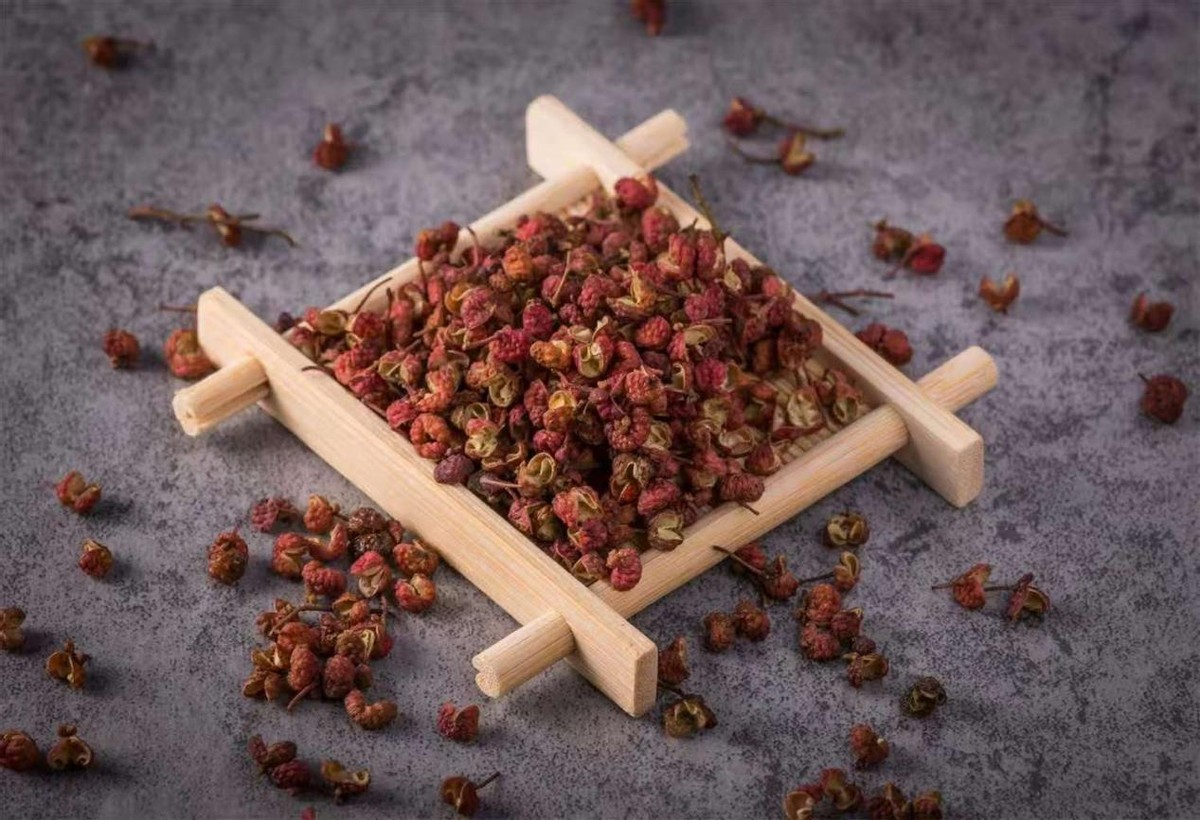
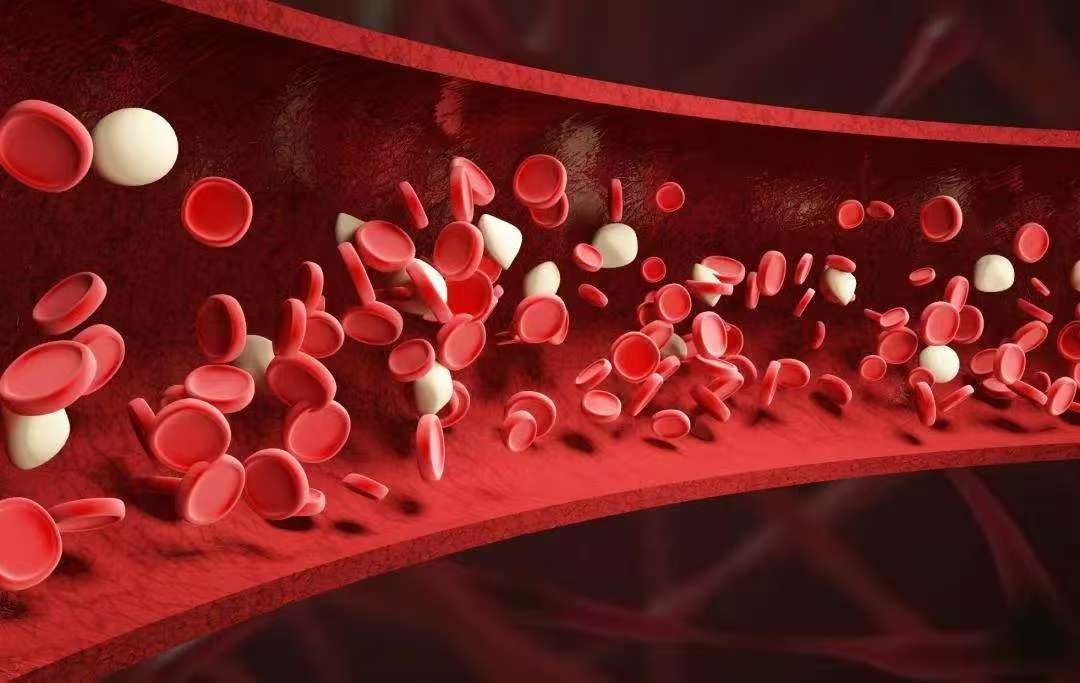
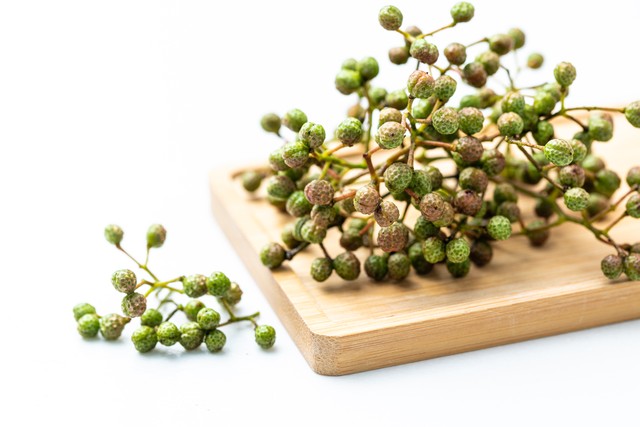
"Can eating a lot of Sichuan pepper really cause a heart attack?" This question has troubled many households that love numbing-spicy food. According to medical literature, Sichuan pepper primarily contains hydroxy-alpha-sanshool (sichuanpepperine), essential oils, and other components; when consumed in appropriate amounts it can dilate blood vessels and promote blood circulation, and does not directly harm the cardiovascular system. In traditional Chinese medicine theory it is even thought to have certain blood-activating and cold-dispelling effects.
。
The problem is that most people "go overboard" with their intake of Sichuan pepper, especially when combined with high-fat, high-salt seasonings. The stimulant effect of Sichuan pepper can trigger the sympathetic nervous system, causing an increased heart rate and elevated blood pressure.
For people who already have poor cardiovascular or cerebrovascular health, this stimulation undoubtedly increases risk. Some studies have shown that people who consume strongly flavored diets have an approximately 18% higher incidence of cardiovascular events compared with those who eat a standard diet.
If Sichuan pepper is used in moderation as a seasoning, there is generally no major problem; but if one cannot do without it at every meal, or it is included in high-fat, high-salt foods such as hot pot or mala tang, then the "numbing-spicy" flavor could well become "the last straw that breaks the blood vessels."
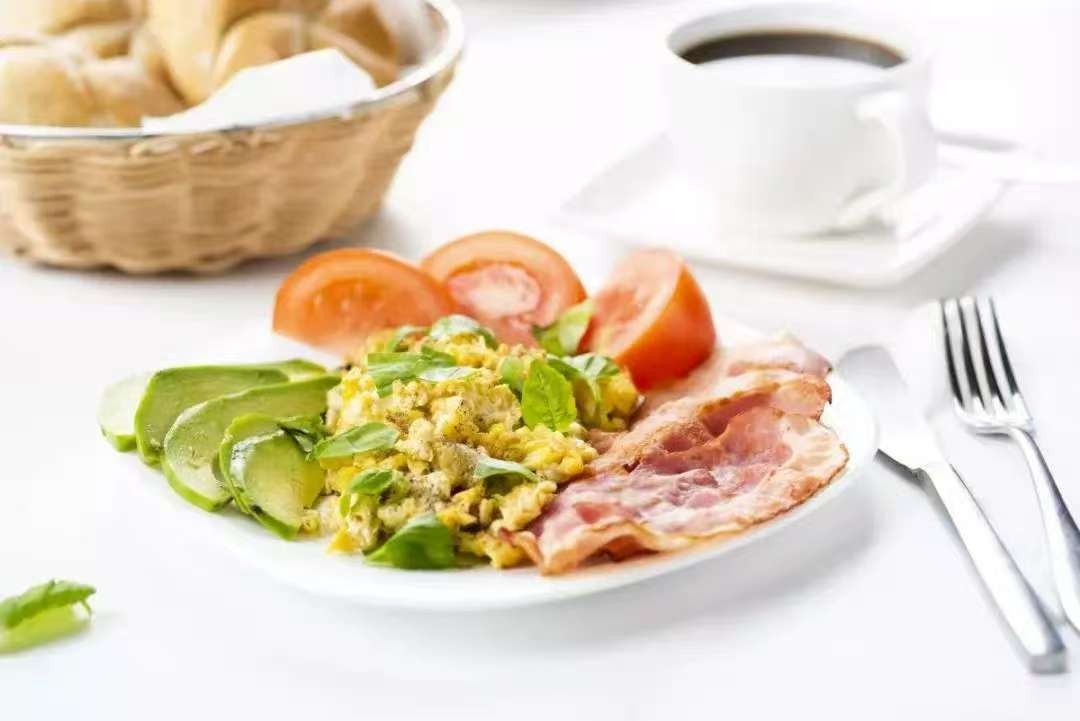
Not only that, the Chinese Dietary Guidelines emphasize that cardiovascular health is closely related to a low-salt, low-fat diet. Data show that the prevalence of hypertension among Chinese adults has already exceeded 27.5%, and a diet high in salt, fat, and irritants is one of the largest controllable risk factors for heart disease.
Beyond strong flavors, three "high-risk" vegetables also require caution
Many people eat spicy foods while telling themselves, "Eating more vegetables can't be wrong!" In fact, not all vegetables benefit cardiovascular health; eaten the wrong way, they can hide significant risks. The following three vegetables require special caution if consumed in excess over a long period:
Pickled cabbage
!
Pickled cabbage, which seems healthy and appetizing, is a common item on many tables. What many don't realize is that 100 g of pickled cabbage contains as much as 1,500 mg of sodium, equivalent to 4 g of salt!
The Chinese Nutrition Society recommends that adults consume no more than 5 g of salt per day, so a small dish of pickled cabbage can easily "use up" the entire daily salt allowance. A high-sodium diet not only raises blood pressure but also damages the vascular endothelium, increasing the risk of myocardial infarction.
Celery root
Many hot pot enthusiasts enjoy the aroma of celery root, but its oxalic acid content is 2–3 times higher than that of celery stalks. High oxalate intake can inhibit calcium absorption, accelerate vascular calcification, and lead to arteriosclerosis, posing a particular potential threat to middle-aged and elderly people.
Tonghao (Edible Chrysanthemum)
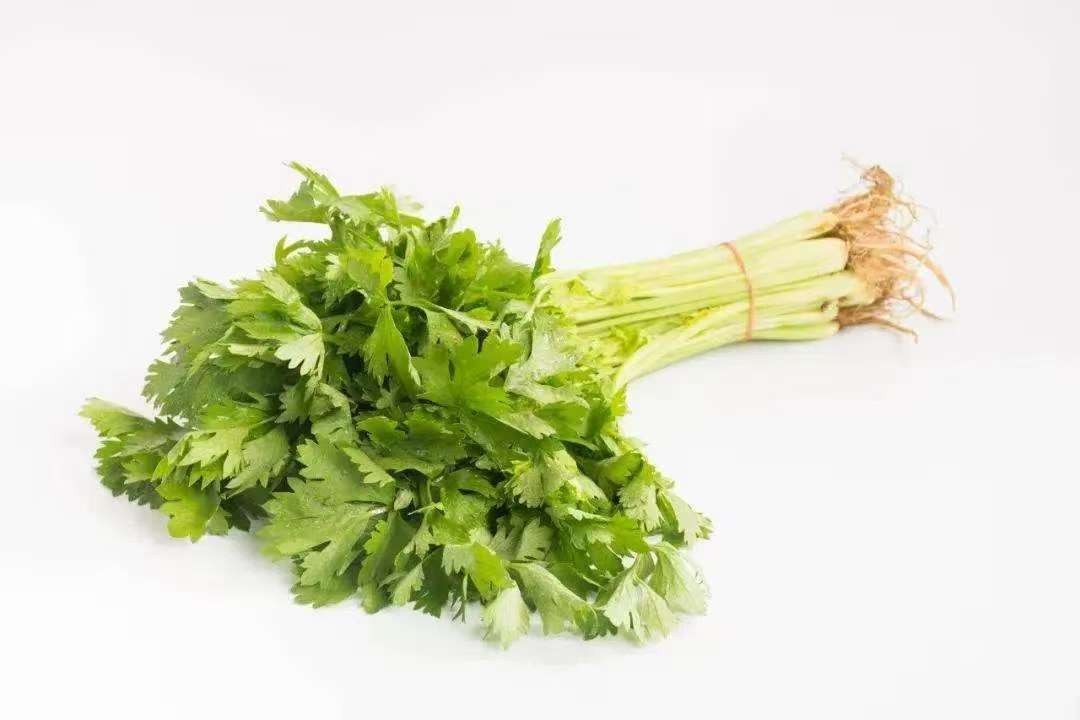
The rumor that tonghao is a "cooling vegetable" for reducing internal heat has long circulated. In fact, tonghao is not low in potassium; 100 g can contain up to 460 mg of potassium. Patients with impaired renal function or cardiovascular patients who need to control high potassium intake may develop hyperkalemia if they consume excessive tonghao, which can cause cardiac arrhythmias and, in severe cases, cardiac arrest.
The view that "the more vegetables the better" is itself a misconception. Choosing vegetables appropriately, pairing them in moderation, and being alert to high-risk vegetables is what constitutes truly healthy eating.
To protect the cardiovascular system, pay attention to these dietary details
There is increasing medical evidence that myocardial infarction is not caused by a single day’s diet, but every bite of “strong-flavored” food subtly alters your vascular health. Rather than simply forbidding foods, it is better to master truly reliable methods:
Control salt and oil, avoid excess
Not only should you reduce table salt, soy sauce, and oyster sauce, but also be wary of “hidden salt” in pickled vegetables, canned goods, and prepared deli meats. It is recommended that daily total sodium intake not exceed 2000 mg, and salt not exceed 5 g.
Use pungent seasonings in moderation
Spicy hot pot and intensely spicy dry pot dishes can be an occasional treat, but must never become the "main act" at the table. If self-control is difficult, it is recommended to substitute some Sichuan peppercorns and chili with seasonings like black pepper or herbs that contain less salt.
Prefer low-risk, high-fiber vegetables
Such as broccoli, tomatoes, cucumbers, bitter melon, asparagus, carrots, etc., not only are low in sodium and low in oxalate, but are also rich in antioxidants and dietary fiber, which help "protect the heart and lower lipids."
Pay attention to individual differences; don’t follow trends blindly
Those with chronic diseases or who are among the groups for whom the above three types of "high-risk vegetables" are unsuitable should consult a clinical nutritionist for personalized dietary adjustments. Scientific eating is not "the more the better," but "the right amount is best."

Nurturing the heart is important, but even more important are lifestyle habits
Beyond diet, regular routines, an optimistic mindset, and moderate exercise are the true long-term measures to lower risk and protect your blood vessels.