When you exercise, your brain will be "stronger"
In the early morning, there are already many runners in the city's parks. Among them, there are urban white-collar workers who exercise before work, retirees who enjoy morning exercise time, and students who use their spare time to exercise. Everyone has different reasons for stepping on the runway - some people want to lose fat, some want to strengthen their physique, but few people know that when they spread their legs and sweat, a silent "brain revolution" has begun.
For a long time, we have equated exercise with "exercise", but ignored its profound impact on the brain. Modern neuroscience research has revealed an amazing fact: exercise is not only a physical exercise, but also an optimization tool for the brain.
Bad mood?
Movement is an "emotional cocktail"
When you are overwhelmed by work or depressed by trivial matters, instead of sitting on the sofa and thinking wildly, it is better to go out for a run - this practice of adjusting your mood by exercise is not a psychological effect, but has a real scientific basis.
Exercise allows the brain to release a variety of "happy hormones", just like mixing a natural "mood cocktail".
Endorphins
As a natural analgesic and mood booster secreted by the brain, it can relieve physical pain like morphine and bring pleasure, and is also known as the "youth hormone".
dopamine
This neurotransmitter, which is associated with a sense of accomplishment, will make you more motivated to face life's challenges.
serotonin
As a neurotransmitter in the body, it is involved in regulating pain, sleep, gastrointestinal motility and immune function, and affects brain development and plasticity, which is directly related to emotional stability.
Therefore, when you feel that your state is "not online", 20~30 minutes of moderate-intensity aerobic exercise, such as brisk walking, jogging, cycling, etc., can usually significantly improve your emotional state.
Troubled concentration?
Exercise awakens the brain "commander"
Have you ever encountered a situation where you are staring at a screen at work, but your thoughts drift out of the sky? When studying, I hold a book and can't read a word for a long time...... In fact, exercise may be the easiest way to solve the problem of lack of concentration.
There is an area in the brain called the prefrontal cortex, which is like the "commander" of the brain, responsible for coordinating advanced cognitive functions such as attention, decision-making, and plan execution. Exercise can make it powerful by increasing blood flow to the brain, delivering more oxygen and energy to the prefrontal cortex.
Studies have found that a single session of about 20 minutes of moderate-intensity aerobic exercise can significantly improve personal concentration in the following 1 hour. For students and office workers, 10~15 minutes of walking and climbing stairs between classes or workshops is an excellent strategy to improve subsequent learning and work efficiency.
Can't remember?
Exercise can "fertilize" the brain
Want to remember the contact details of a new customer, but forget about it? Want to memorize the key points of the exam, but can't remember it well? Don't worry, exercise can "fertilize" the brain, which can be called the "strongest brain medicine". This "fertilizer" is brain-derived neurotrophic factor (BDNF) produced by exercise stimulates the brain. This is a protein that is primarily active in the hippocampus – the core area of the brain responsible for learning and memory. BDNF promotes neuronal growth and strengthens neuronal connections, making nerve signaling more efficient and robust.
As we age, many people find that their reactions become slower and their memory decreases. This is actually a manifestation of the natural atrophy of the brain and the decline of cognitive function. Exercise delays brain aging, mainly relying on two tricks.
Increases brain volume
Studies have found that middle-aged and elderly people who have adhered to aerobic exercise for a long time not only did not shrink in size, but increased, which means that exercise directly changed age-related brain atrophy.
Reduces the risk of disease
By promoting BDNF secretion, improving cerebrovascular health, reducing inflammation and other mechanisms, exercise can significantly reduce the incidence of neurodegenerative diseases such as Alzheimer's disease, which is like saving the brain a cognitive reserve to make it more capable of defending against disease in the future.

Exercise brain strengthening strategies
Do a "special training" for the brain
Just like when you exercise, you will choose different movements for different muscle groups, and different types of exercise have different training effects on the brain.
1. Aerobic exercise: the "infrastructure builder" of the brain
Representative sports: running, brisk walking, swimming, cycling, elliptical trainer.
Core role: greatly increase BDNF levels and provide nutrients for neuronal growth; Improving blood circulation in the brain is like doing a "big cleaning" of cerebral blood vessels to ensure that neurons receive sufficient oxygen and energy; Increases the volume of the hippocampus and prefrontal cortex to prevent brain atrophy.
Suitable for: Suitable for almost everyone, especially those who want to improve memory, improve mood, and delay brain aging.
2. Resistance training: the "commander reinforcer" of the brain
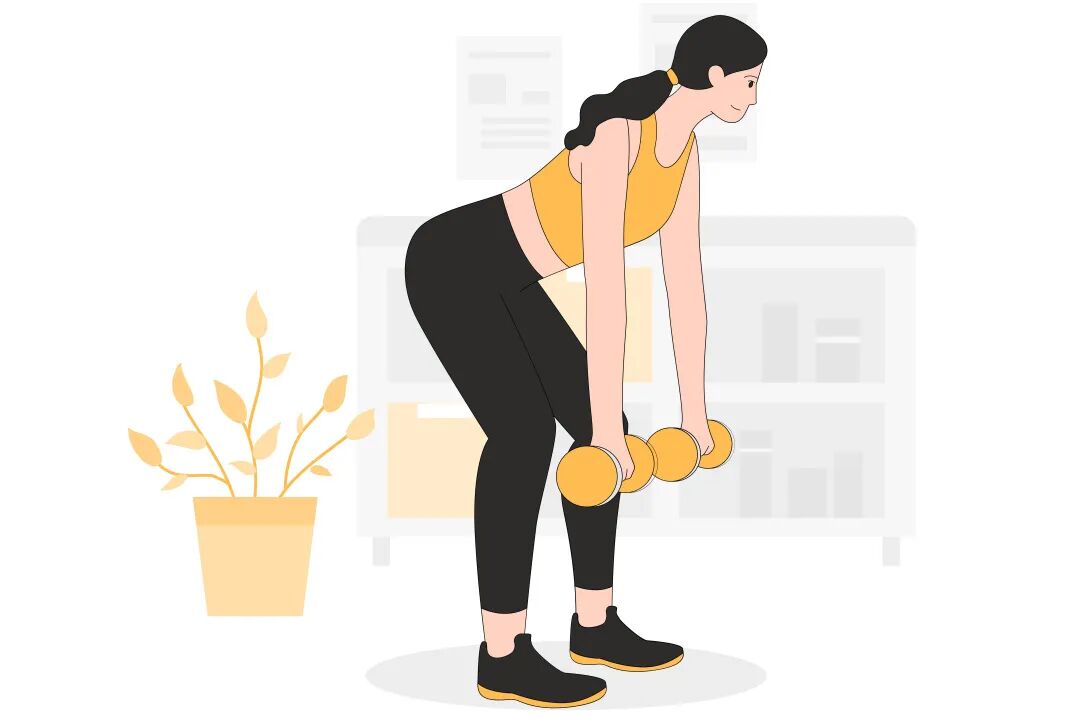
Representative sports: weightlifting, pull-ups, push-ups, band training, dumbbell exercises, etc.
Core role: Strengthen the brain's decision-making and concentration, exercise the prefrontal cortex of the brain, and improve the ability to make plans, multitask, and make quick decisions; it can also stimulate the secretion of hormones such as insulin-like growth factor (IGF-1), which can cross the blood-brain barrier and promote brain health; Successfully completing challenging training boosts self-confidence and a sense of accomplishment, which is beneficial for combating anxiety and depression.
Suitable for: Students and office workers who need to improve their concentration and decision-making skills, as well as seniors who want to maintain their ability to live independently.
3. High-intensity interval training: the brain's "stress adaptor"
Representative sports: high-intensity interval training, Tabata training, circuit strength training, etc.
Core role: Recharge the brain in a short period of time, efficiently improve BDNF levels through extremely high-intensity exercise, enhance the brain's ability to withstand pressure, and make people more calm in the face of sudden stress in life.
Suitable for: People who are short on time, have a certain foundation in exercise, and want to quickly improve their brain power. However, it should be noted that this type of exercise is intense and requires high cardiopulmonary function, so beginners or people with cardiovascular disease should try it with caution, and it is best to do it under the guidance of a professional.
4. Skilled Movement: The "Neural Network Architect" of the Brain
Representative sports: ball games, dance, tai chi, yoga, Pilates, etc.
Core role: This type of exercise can build a more complex neural network for the brain, which requires not only physical strength, but also complex neuromuscular coordination, and the exercise process allows the brain to establish new neural pathways between the cerebellum, basal ganglia and motor cortex, enhance the plasticity of the brain, and improve the agility of thinking.
Suitable for: People who want to comprehensively improve their comprehensive brain ability and enjoy the fun of sports.
5. Flexibility training vs. meditation training: the brain's "system resetter"
Representative sports: yoga, joint mobility training, stretching training, mindfulness meditation.
Core role: This type of exercise is not high in intensity, but it can activate the parasympathetic nervous system, effectively reduce the level of stress hormones, and allow the body to switch from tension mode to relaxation mode. Combined with deep breathing and physical awareness, these exercises also enhance our awareness of emotions and thoughts.
Suitable for: People who are stressed and prone to anxiety, and people who do recovery training after high-intensity exercise.